Photo: Giant Asparagus / Pexels
Maruti e-Vitara BaaS: India's 'Rent the Battery' EV Plan
India's electric-car story has always run into one wall: the price. A battery pack is the single most expensive component in any EV, and it is the reason an electric SUV often costs lakhs more than its petrol twin. So when Maruti Suzuki e-Vitara — the country's largest carmaker's very first EV — arrived with a sticker of ₹10.99 lakh, far below where rivals start, the catch was hiding in plain sight: you don't actually own the battery. You rent it, by the kilometre. That single decision has quietly become the most interesting EV news in India right now, because it changes how millions of first-time buyers might do the maths on going electric.
This is Battery-as-a-Service (BaaS), and 2026 is the year it stopped being a footnote and became a mainstream sales pitch. Understanding it matters whether you are shopping for an EV this month or just trying to read the market — because the headline price you see in an advertisement may no longer be the price you pay.
What 'Battery-as-a-Service' actually means
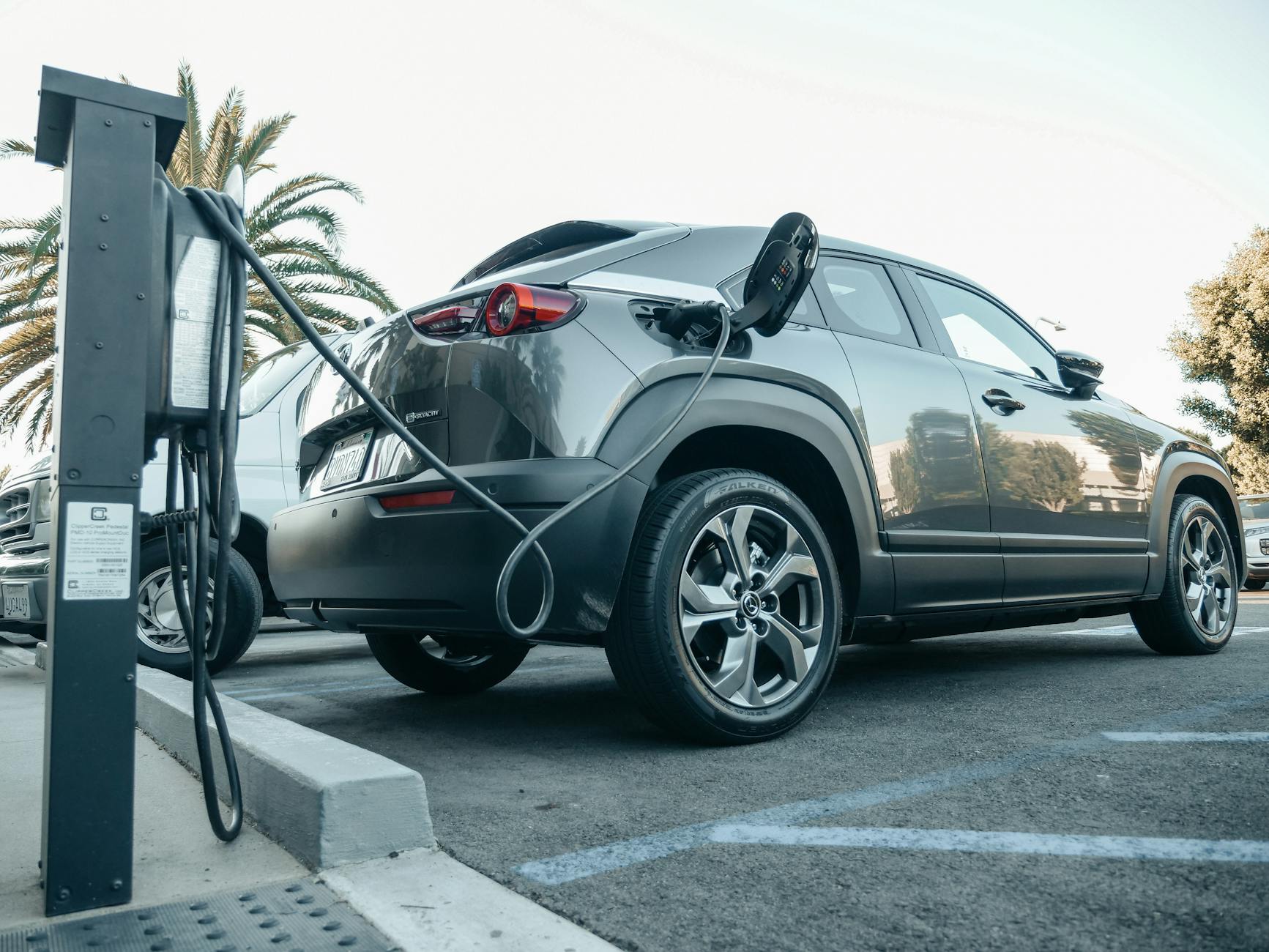
The idea is simple to state and surprisingly tricky to evaluate. In a normal car purchase, the battery's cost is baked into the on-road price. Under BaaS, the carmaker peels that cost out of the upfront figure and lets you pay for the battery separately, as an ongoing rental tied to how far you drive.
For the e-Vitara, Maruti pegs the battery's standalone value at roughly ₹5 lakh for the smaller 49kWh pack and about ₹5.5 lakh for the 61kWh pack. Strip that out and the entry price drops from a full-purchase ₹15.99 lakh to that eye-catching ₹10.99 lakh. In return, you pay a per-kilometre battery charge: ₹3.99 per km on the 49kWh Delta variant and ₹4.39 per km on the 61kWh Zeta and Alpha trims. Crucially, that rental covers only the battery — the electricity to charge it is still yours to pay.
Think of it less like a lease and more like splitting your car into two bills: a one-time payment for the body, motor and everything else, and a metered subscription for the part that stores the energy.
The Maruti e-Vitara, decoded
Strip away the financing novelty and the car underneath is a serious debut. Built on Suzuki's dedicated HEARTECT-e electric platform, the e-Vitara offers two battery choices — 49kWh and 61kWh — with the larger pack claiming a driving range of up to 543 kilometres on a full charge. Deliveries began on 17 February 2026, with bookings opened at NEXA showrooms for ₹21,000.
The specification sheet reads like Maruti trying to erase its budget-brand image in one go: Level 2 ADAS with adaptive cruise control and lane-keep assist, seven airbags, and a five-star Bharat NCAP safety rating. Buyers also get a 7.4kW AC wall-box home charger with installation, a year of complimentary public charging through Maruti's 'e for me' app (capped at 1,000kWh), and a battery warranty stretching to eight years or 1,60,000km. With more than 1,500 EV-ready service points, Maruti's pitch leans hard on the one thing it has that newer EV brands don't: reach.
The full-purchase prices, for those who'd rather own everything outright, run from about ₹15.99 lakh to ₹20.01 lakh. The BaaS route is simply a different door into the same car.
The math: when BaaS pays off, and when it stings
Here is where buyers need to be clear-eyed, because the ₹3.99/km figure can sound trivial until you annualise it. Maruti's own calculation assumes around 60km of driving a day. There is also a reported minimum billing floor — the rental is charged on a baseline of roughly 1,800km a month even if you drive less, which works out to a little over ₹7,000 monthly before electricity. Push that across a year and you're paying upward of ₹85,000 just to keep the battery, on top of charging costs.
So the model genuinely helps two kinds of buyers. The first is anyone who wants the lowest possible entry cost and clean monthly budgeting — useful for those who can't or won't stretch their loan to cover a ₹5 lakh battery upfront. The second is the cautious first-timer who is nervous about battery degradation and resale value; BaaS effectively shifts that long-term risk onto the manufacturer.
The trade-off is equally real. A high-mileage driver — think long daily commutes or a side gig on weekends — can rack up per-km charges that, over five or six years, quietly exceed what the battery would have cost to buy outright. And because the rental is excluded from government statutory levies like road tax, insurance and TCS in the advertised number, the true monthly outflow is higher than the sticker suggests. BaaS is not a discount. It is a different way of slicing the same total cost, and whether it favours you depends almost entirely on how much you drive.
MG started it, Maruti scaled it
Maruti didn't invent this in India. MG was the first to put a battery-rental scheme on a mainstream electric car here with the Windsor EV, using it to advertise a headline price that undercut the competition and rewrite expectations of what a sub-₹10-lakh-feeling EV could look like. For a while it was an outlier — a clever marketing wedge from a single brand.
What changes the picture in 2026 is that the country's volume leader has now embraced the same logic. When Maruti Suzuki — the company that sells more cars in India than anyone — builds BaaS into the launch of its flagship EV, the model graduates from experiment to industry template. Expect more carmakers to dangle a 'battery-free' price in their ads, which makes apples-to-apples comparison shopping harder than ever. The number in giant font on the billboard and the number you actually commit to over five years may now be very different things.
The bigger 2026 EV wave
The e-Vitara isn't arriving into an empty market — it's the opening act of the busiest EV year India has seen. Tata is readying the Sierra EV, reviving a beloved 1990s nameplate as an electric SUV slotted beneath the Harrier EV, with rear- and all-wheel-drive options on the cards. Kia is bringing the Syros EV to the compact electric-SUV fight later in the year, expected to land in roughly the ₹14–18 lakh band with battery options around 42kWh and 49kWh.
Then there is VinFast, the Vietnamese newcomer now building VF6 and VF7 electric SUVs at its plant in Tuticorin, Tamil Nadu — a facility with an initial 50,000-unit capacity that the company wants to scale toward 1,50,000 and use as an export hub. Hyundai's Ioniq 5 facelift and a clutch of micro-EVs round out a calendar that stretches from city runabouts to premium crossovers.
Across almost all of it runs the same theme the e-Vitara crystallises: the battle for India's EV buyer is now being fought on affordability and financing as much as on range or features.
Why it matters and what comes next
India's EV adoption has been throttled less by technology than by the upfront cheque. BaaS attacks exactly that pressure point, and Maruti's enormous distribution muscle could do for battery-rental what it once did for the small-car loan — make it ordinary. If it works, the psychological barrier of the big battery price tag falls, and the addressable market for electric cars widens well beyond metros.
The open questions are about the long game. Resale value of a BaaS car, the fine print when you sell or the rental contract ends, what happens to monthly costs after introductory offers expire, and how transparent advertised prices stay as more brands adopt the trick — these will decide whether buyers feel served or stung. For now, the smart move is unglamorous but essential: before signing, work out your real annual kilometres, multiply by the per-km rate, add electricity, and compare honestly against simply buying the battery. The e-Vitara has made going electric cheaper to start. Whether it's cheaper to live with is a sum only you can do.
Source: autocarindia.com


