1000 Bounty Hunters vs One Player: Inside Minecraft's Viral SMP Machine
A video titled around fighting 1,000 bounty hunters in a Minecraft server is climbing YouTube, and it is doing exactly what it was engineered to do. The format is by now familiar: a single player, an impossible-sounding number, and a survival story stretched across a tense ten or fifteen minutes. What looks like a casual gaming clip is one of the most reliable money-printing templates on the platform, and the genre it belongs to — the Minecraft SMP challenge video — has quietly become one of the dominant forces in online entertainment for under-18 audiences worldwide, India included.
The clip is part report, part performance. It promises chaos, delivers a clear underdog arc, and ends on a payoff the thumbnail already hinted at. To understand why it is spreading, it helps to look past the swords and creepers at the machine underneath.
What the video actually shows
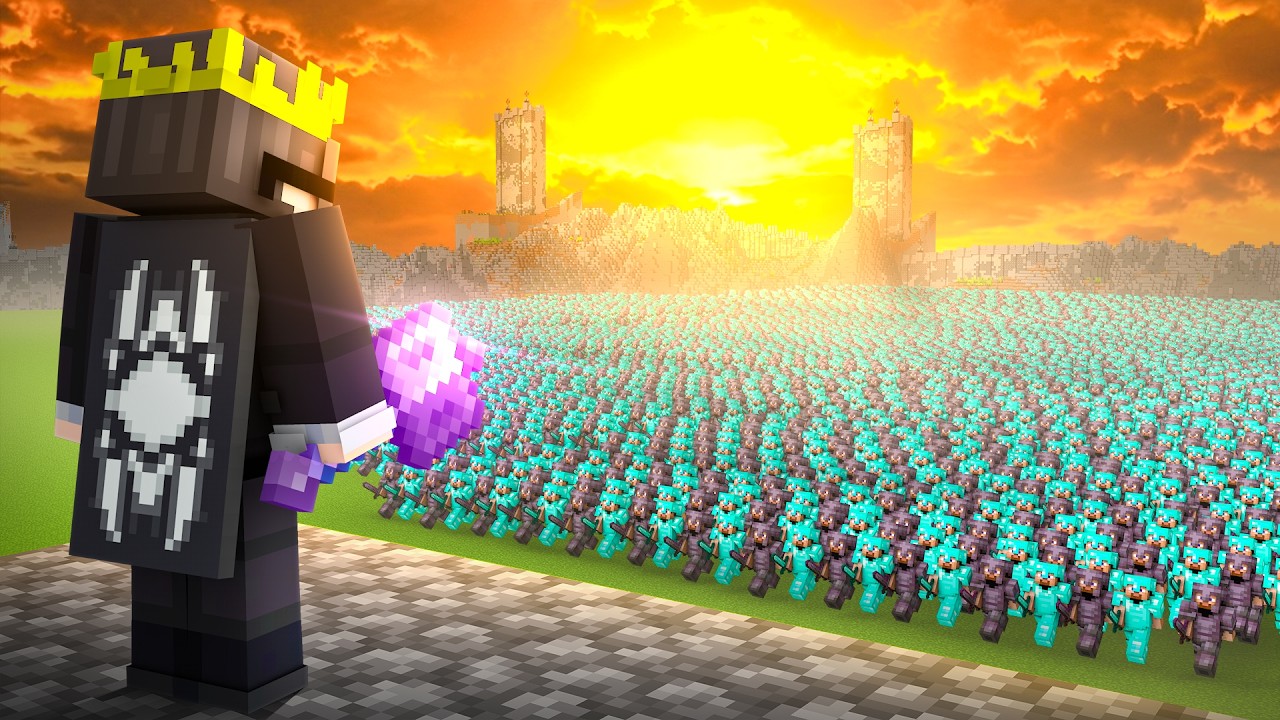
Strip away the title and the premise is simple: a creator is hunted, repeatedly, by a large group, and has to survive or fight back. In a typical version of this format, the "bounty hunters" are other players, recruited co-creators, or in some cases waves of in-game mobs configured to attack. The headline number — 1,000 — is the hook, not a literal headcount you can pause and tally.
These videos are built in the edit. A creator may record many hours of attempts, deaths and resets, then compress them into a single clean narrative where every setback leads to a comeback. The pacing is deliberate: a threat is introduced, the stakes rise, a near-defeat lands, and a final stand resolves it. It is closer to a short action film than to raw gameplay footage, and that is the point.
Nothing about this is deceptive in a sinister way — it is the established grammar of the genre. But it is worth stating plainly for anyone watching over a child's shoulder: this is scripted, edited entertainment, not a live feat being documented in real time.
Why an SMP is the perfect stage
An SMP — short for Survival Multiplayer — is a shared Minecraft world where several people play together. Left alone, that is just a sandbox. What creators add is structure: rules, alliances, betrayals, factions and recurring villains. The server becomes a stage, and the players become a cast.
This is the formula that turned earlier creator-run servers into cultural events, drawing tens of millions of views per upload at their peak. The genius of the SMP is that it generates conflict for free. Once you have rival players and something to lose, you have drama without a writers' room.
A "bounty hunter" premise supercharges that. It manufactures a clear antagonist, a ticking clock and a reason for everyone on the server to converge on one person. The audience always knows who to root for. That clarity is rare and valuable in online video, where most viewers decide within seconds whether to keep watching.
The anatomy of a viral hook
The success of a video like this rarely comes down to the gameplay. It comes down to packaging. A handful of levers do most of the work:
- A big round number in the title. "1000" reads as scale and ambition. It signals a spectacle, not a routine session.
- An underdog framing. One versus many is among the oldest story shapes there is, and it survives translation into any language or game.
- A loaded thumbnail. Exaggerated expressions, a red arrow, a swarm of enemies — the image sells the stakes before a word is read.
- A promise of payoff. The title implies the creator survived or won, so viewers stay to see how.
YouTube's recommendation system then amplifies whatever holds attention. High click-through on the thumbnail and strong watch-time tell the algorithm to push the video to more homepages, which is how a single upload snowballs from a niche audience into the trending shelf.
Why Minecraft dominates this corner of YouTube
Minecraft is, by most measures, the most-watched game on YouTube and has been for years, with its videos collectively counted in the trillions of views over the game's lifetime. The reasons are unglamorous and durable.
It runs on cheap hardware, including modest laptops and phones, which matters enormously in a price-sensitive market. Its blocky art style ages slowly, so a clip from years ago does not look obviously dated. And its open-ended design means there is always a fresh stunt to attempt, which keeps the content treadmill turning.
India sits near the centre of this. The country is one of YouTube's largest audiences overall, and Hindi-language Minecraft creators have built some of the biggest gaming channels in the region, many aimed squarely at school-age viewers. For a lot of Indian kids, a Minecraft SMP video is the default after-school watch, the way cartoons once were.
The business behind the chaos
These videos are not made for love alone. A successful upload is a small business in itself, monetised through several stacked streams:
- Ad revenue from YouTube on the views themselves.
- Brand integrations, where a sponsor's message is slotted into the first minute before the action starts.
- Merchandise, often teased in the video or pinned in the description.
- Memberships and Super Chats if the creator also streams live.
The manufactured-stakes format is popular with creators precisely because it scales. A bigger number, more participants and a more elaborate set-piece can justify a bigger thumbnail promise, which can pull more clicks, which funds the next, larger production. It is an arms race in spectacle, and titles have inflated accordingly over the years — from "100" to "1000" and beyond.
This is also where a note of caution belongs. The same incentives that reward ambition reward exaggeration. A title is a promise, and not every video fully delivers on the scale it advertises. Treating the headline number as marketing rather than fact is the healthiest way to watch.
What it means for younger viewers
There is genuine skill on display in the best of these videos — quick building, combat reflexes, and real editing craft. Plenty of children have learned the basics of storytelling, timing and even simple coding through Minecraft. The creativity is not the problem.
The thing worth keeping in view is that the format is optimised for engagement, which means it is designed to be hard to stop watching. A few practical reference points for parents:
- The drama is staged and edited; setbacks and comebacks are arranged for effect.
- Big numbers in titles are promotional, not literal counts.
- Sponsored segments and merch links are advertising, even when they sound like the creator chatting.
- Watch-time is the product, so episodic, never-ending storylines are intentional.
None of that makes the content harmful on its own. It simply helps to watch it as the polished entertainment it is.
What comes next
Expect the number to keep climbing. The logic of the genre rewards each creator who out-scales the last, so today's "1,000 bounty hunters" is tomorrow's baseline. The likelier evolution is not bigger crowds but tighter production — more cinematic edits, recurring characters, and short-form versions sliced for YouTube Shorts, Reels and other vertical feeds, where a 45-second clip of the climax can outrun the full video.
The broader trend is clear enough. Manufactured-survival storytelling, born on Minecraft servers, has become a template other games now copy. As long as a simple premise, a clear hero and a big promise keep pulling clicks, the bounty hunters will keep coming — one viral upload at a time.