Why a Minecraft OP Bunker Challenge Is Topping YouTube
A single Minecraft video titled around an OP bunker challenge is doing what thousands of uploads try and fail to do every day: it is climbing the trending charts and pulling in a flood of views. On the surface it is just someone digging a hole and stuffing it with traps. Look closer and you find one of the most reliable engines in modern online entertainment, a format so finely tuned that it keeps millions of mostly young viewers glued to their screens.
The clip itself is embedded above, so there is no need to walk through it block by block. What is worth understanding is why this kind of video keeps winning, who makes it, and what it tells us about where attention is flowing online in 2026.
What an OP bunker challenge actually is
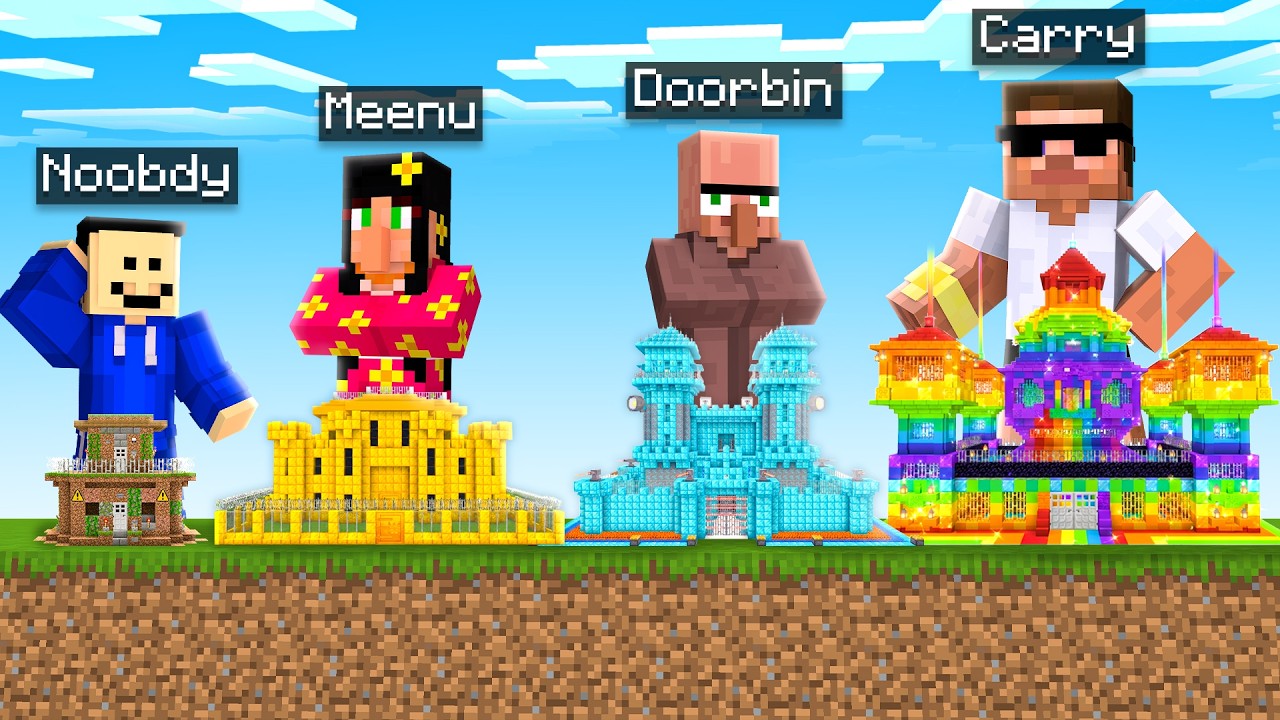
In Minecraft, the world is made of breakable cubes you can mine and rebuild however you like. An "OP bunker" is gaming slang for an overpowered base, usually built underground, packed with reinforced walls, hidden rooms, automatic farms, weapon stockpiles and layered traps. The "challenge" is the test: can the bunker survive whatever the creator throws at it?
That threat changes from video to video. Sometimes it is endless waves of in-game monsters. Sometimes it is a friend or rival player trying to break in. On multiplayer servers the stakes are higher, because a real human opponent is unpredictable in a way the game's code never is.
The appeal is simple to state and hard to resist. You watch someone create something elaborate, then you find out whether it works. Construction and destruction in the same sitting, with a clear winner at the end.
Why this format refuses to die
Gaming trends move fast, yet base-building and base-defence videos have stayed near the top for years. The reason is structural. A good bunker challenge has everything a watchable story needs, compressed into 10 to 20 minutes.
- A clear goal: build the strongest possible hideout.
- A visible threat: mobs, raiders or a rival closing in.
- Rising tension: each defence is tested, and some fail.
- A payoff: the bunker holds, or it falls spectacularly.
That shape is older than the internet. It is the same beat a heist film or a cricket run-chase uses. Minecraft just lets a creator generate it on demand, cheaply, in an afternoon. There is no script to clear, no crew to pay, only imagination and a few hours of editing.
There is also a craft element that keeps fans loyal. Regular viewers start to judge builds the way football fans judge formations. Was the redstone wiring clever? Did the trap door placement make sense? A creator who keeps inventing new tricks earns a following that comes back for the next idea, not just the next thumbnail.
India is the quiet powerhouse behind the numbers
Much of Minecraft's staggering reach runs through India. The country is one of the game's largest and fastest-growing audiences, and Hindi-language gaming channels have turned it into mainstream youth entertainment rather than a niche hobby.
The ingredients lined up almost perfectly. Cheap mobile data made streaming video routine for tens of millions of teenagers. Minecraft runs on modest hardware, including phones, so the barrier to playing along is low. And a generation of Indian creators built huge channels by narrating builds, battles and challenges in conversational Hindi rather than English.
The result is a self-feeding loop. Young viewers watch a bunker challenge, fire up the game themselves, then come back for the next video to learn a new technique. For many of these creators, gaming content has become a genuine career, with the bigger names commanding audiences that rival television.
That scale is exactly why a single well-made bunker video can surge so quickly. The audience is already there, already primed, and the format slots straight into what they came to watch.
The algorithm rewards exactly what these videos do
Views grab headlines, but the metric that really matters on YouTube is watch time, how long people actually stay. The platform pushes videos that hold attention, because a viewer who sticks around is a viewer who sees more ads.
Bunker challenges are almost designed for this. The premise is teased in the title and thumbnail, so curiosity does the early work. The build keeps you watching to see the finished product. The defence phase keeps you watching to see if it survives. A creator who is good at pacing can keep a viewer from clicking away for the full runtime, and the algorithm notices.
There is a darker efficiency here too. Thumbnails often exaggerate, promising bigger explosions or tougher odds than the video delivers. That gap between the promise and the payoff is a long-running complaint about gaming content, and bunker videos are no exception. The format works partly because it is so easy to oversell.
The reaction, and the criticism
The response to a hit like this splits along familiar lines. Core fans pile into the comments to debate the build, suggest improvements and demand a sequel. Casual viewers share clips of the most dramatic moment. The creator, in turn, reads the room and plans the next, slightly bigger version.
Not everyone is charmed. Critics argue the genre has grown formulaic, that too many channels recycle the same beats with louder thumbnails and thinner ideas. Others raise the perennial worry about how much time children spend watching other people play rather than playing themselves, or doing anything else.
Both things can be true at once. A format can be creatively repetitive and still be a legitimate showcase of skill, planning and entertainment instinct. Most viral bunker videos are the product of real effort, even if the marketing around them leans hard on hype.
What parents and casual viewers should keep in mind
Minecraft content is broadly among the more family-safe corners of gaming YouTube. The game has no blood, no realistic violence, and the building focus is genuinely creative. Still, a few things are worth a glance before handing a child the remote.
- Language and tone vary widely between channels, so it is worth sampling a creator before letting it autoplay.
- External links in descriptions or live chats, pointing to servers, mods or stores, deserve a quick check, since not all are official or safe.
- Paid extras matter. "OP" items, skins and mods can come with real-money purchases, and younger viewers may not register the difference.
- Time is the quiet one. The format is engineered to keep you watching, so loose limits help more than strict bans.
None of that is a reason to avoid the genre. It is simply the same media literacy any popular format deserves.
Where it goes next
A trending bunker challenge is rarely a one-off. The creator almost always returns with a follow-up that is larger, harder or more absurd, because the audience rewards escalation. Expect bigger builds, tougher rivals and more elaborate traps in the weeks ahead.
The broader trend is steadier still. As long as Minecraft remains a fixture for India's young viewers, and as long as the platform pays for attention, the build-and-defend format will keep producing hits. This particular video is having its moment. The genre behind it has been winning for a long time, and shows no sign of stopping.