Minecraft Spy vs Mafia: Why Scripted Survival Videos Go Viral
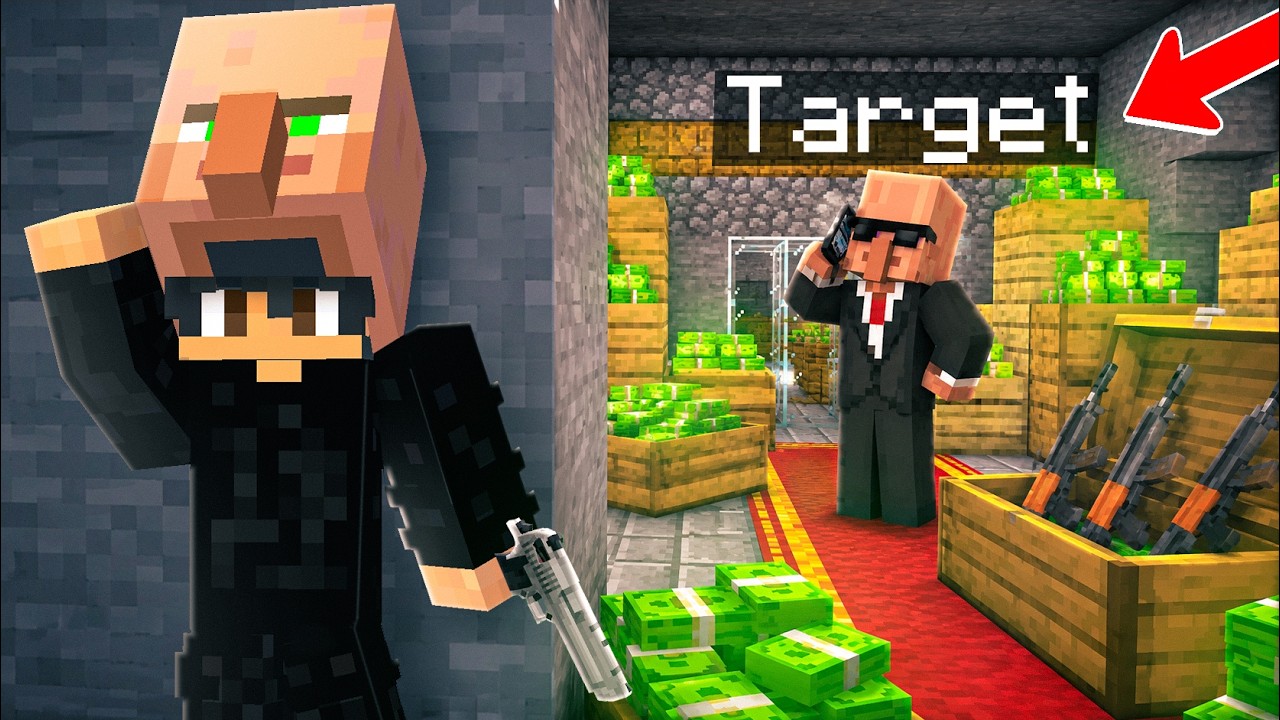
A new Minecraft video titled around a "secret spy" infiltrating and taking down a mafia is climbing fast on YouTube, and at first glance it looks like a chaotic in-game shootout. Look closer and you see something more interesting: it is a tightly scripted roleplay production — effectively a short film built inside a video game. The clip is part of a genre that quietly dominates kids' and gaming feeds, and understanding why it works tells you a lot about how attention is engineered online in 2026.
What the Minecraft spy mafia video actually shows
Despite the action-packed framing, this is not a player skilfully out-duelling enemies in live combat. It is a staged narrative: a hero character goes undercover, gathers intel, and works toward dismantling a villainous crew, with the outcome planned in advance. Creators in this space use custom maps, costumes (skins), mods and careful editing to turn Minecraft's blocky world into a stage.
Think of it as machinima — making cinema using a game engine. The "spy" and "mafia" are roles, not real factions. Dialogue, betrayals, near-misses and a final confrontation are written beats, the same way a soap opera or a children's adventure show is plotted. The gameplay is the medium; the story is the point.
Why a 'kill the mafia' clip blows up
These videos are not viral by accident. They are assembled from ingredients the YouTube algorithm rewards, and that young viewers reliably click. A few drivers stand out:
- High-stakes premise: spy-versus-mafia is instantly legible good-versus-evil, no setup required.
- All-caps, cliffhanger titles: capitalised keywords and trailing dots ("..") signal drama and tease a twist.
- Bold thumbnails: exaggerated faces, weapons and arrows are tuned for the click-through rate the platform optimises around.
- Episodic arcs: a continuing storyline pulls viewers from one upload to the next, lifting watch time.
- Autoplay-friendly pacing: fast cuts and constant tension keep children watching as the next video loads automatically.
The result is a feedback loop. The more a video holds attention, the more YouTube recommends it; the more it is recommended, the more it is copied by other creators chasing the same formula.
A genre, not a one-off
The spy-mafia clip belongs to a vast and durable category of Minecraft roleplay and "survival story" content. For years, channels have spun out sagas built on simple, repeatable conflicts: rich versus poor, hero versus villain, last-one-standing challenges, and undercover-betrayal plots exactly like this one.
Minecraft is uniquely suited to it. The game is endlessly buildable, runs on modest hardware, and its visual language is recognisable to hundreds of millions of people. A creator can construct a mansion, a hideout or a city set in hours, with no film crew, no actors and almost no budget. That low cost is why the genre keeps multiplying — and why it has outlived countless gaming trends.
Crucially, Minecraft remains one of the most-watched games on YouTube long after its release, a rare feat in an industry where titles usually spike and fade. Its staying power comes from this creator economy as much as from the game itself.
Who makes these videos and how
Production is more involved than the casual look suggests. A typical scripted Minecraft video moves through a few stages:
- Concept and script: the storyline, twists and ending are decided first, often around a punchy title that has been chosen before filming.
- Set and mods: maps, custom skins and modifications add guns, vehicles or abilities that vanilla Minecraft lacks.
- Filming: creators record multiple takes, sometimes coordinating several players, each acting a role.
- Editing: cuts, sound effects, music and reaction overlays compress everything into a fast, dramatic package.
- Packaging: the thumbnail and title are refined to maximise clicks, frequently tested for performance.
This is the part audiences rarely see. The on-screen "spy mission" is the visible 10%; the script, sets and edit are the hidden 90% that decide whether a video sinks or trends.
Why it matters for Indian audiences
India is now among the world's largest YouTube markets by users, and gaming-plus-story content travels especially well here. It is language-light — action and broad emotions read clearly even with minimal dialogue — so a child in a smaller town consumes it as easily as one in a metro. That accessibility is a big reason such clips rack up views across the country.
For a generation of young viewers, Minecraft roleplay functions like cartoons did for earlier ones: serialised, character-driven, endlessly available. A growing roster of Indian creators has built sizeable channels on exactly this template, localising the humour and references while keeping the universal hero-villain spine.
There is a flip side worth naming plainly. Words like "mafia" and "kill" in a title can sound alarming to parents, even when the content is broadly tame and bloodless. The dramatisation is cartoonish, but themes and comment sections vary by channel, so the responsible takeaway is to check the specific creator rather than the genre as a whole.
The attention machine behind the fun
Step back and the real story is not the spy or the mafia — it is the economics of attention. Every design choice in these videos, from the trailing dots in the title to the cliffhanger ending, exists to win a few more seconds of viewing and one more click. That is not a criticism unique to Minecraft; it is how the modern platform game is played.
What makes Minecraft content a standout case is the scale-to-cost ratio. With free software, a popular game and editing skill, a single creator can produce film-style entertainment that competes for eyeballs with professionally funded media. The barrier to entry is creativity and consistency, not capital.
A few things to keep in mind as a viewer or parent:
- Scripted, not real: treat these as mini-movies, not skill showcases or genuine conflict.
- Designed to loop: episodic arcs and autoplay are built to extend sessions, so screen-time limits matter.
- Quality varies: the format is easy to imitate, so judge the individual channel, not the trend.
What happens next
Expect more of it, refined further. As the format matures, the strongest creators are leaning into longer story arcs, recurring characters and higher production polish, blurring the line between gaming video and animated web series. Newer tools, including AI-assisted editing and voicing, are likely to speed up output and sharpen the packaging even more.
The spy-versus-mafia clip going viral today is, in that sense, a snapshot of a much larger shift: a game built for play has become a full-blown storytelling platform, and a generation is growing up watching stories told one block at a time. The premise may be a fictional crime drama, but the genuinely fascinating plot is the one happening off-screen — in the algorithm, the editing timeline, and the race for the next click.