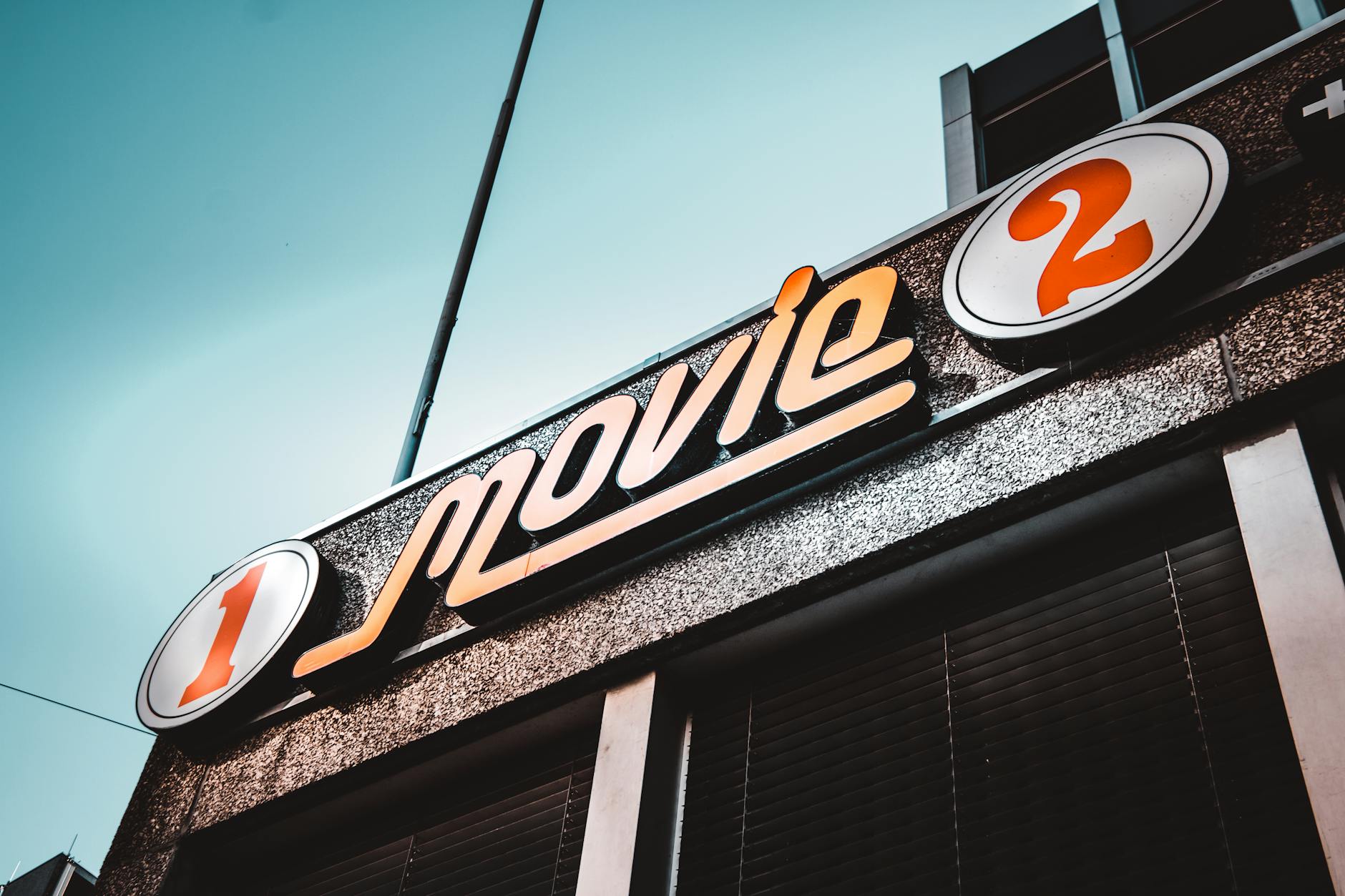
Photo: Jakub Zerdzicki / Pexels
Why Movie Tickets Suddenly Cost ₹500 on a Big Release Day
Why the same seat costs ₹180 one day and ₹520 the next
If you tried to book a Friday first-day-first-show ticket for a major release recently, the price probably made you blink. The same recliner that costs around ₹180 on a quiet Tuesday can sail past ₹500 on opening weekend. Nobody changed the cinema, the screen or the popcorn. What changed is the price logic running quietly in the background, and once you understand it, you can dodge most of the inflation.
Indian cinemas now run on dynamic pricing, sometimes called surge or demand pricing. The base ticket is no longer a fixed number printed on a board. It moves with the show timing, the day of the week, how fast a particular show is filling, and how big the film is. This is the single biggest reason movie ticket prices feel unpredictable, and it is the thing most viewers still don't budget for.

How dynamic pricing actually works
Think of it like airline or hotel pricing. The chain sets a floor and a ceiling for each screen, then the software nudges the price up as a show fills and as demand climbs. A 10 a.m. weekday show of an ordinary film sits near the floor. A 7 p.m. Saturday show of a tentpole release sits near the ceiling.
The variables that move your price are fairly consistent:
- Show timing: evening and night shows cost more than morning and afternoon ones.
- Day of week: Friday to Sunday carry a premium; Tuesday and Wednesday are usually the cheapest.
- Occupancy: as a show sells out, later buyers pay more for the leftover good seats.
- The film itself: a record-chasing release gets a higher ceiling than a small drama.
The blockbuster effect is real. During a record-breaking 2024 release, average ticket prices in some chains climbed sharply, with premium seats for the biggest film reportedly stretching well past ₹1,000. That wasn't a glitch. It was the ceiling being lifted because the cinema knew fans would pay.

The formats trick: you're not buying one ticket, you're buying a tier
The second reason prices balloon is that a modern multiplex doesn't sell one product. It sells a ladder of experiences, and the gap between the bottom and top rung is enormous.
At the base is standard 2D. Above it sit premium large formats and gimmick screens, each with its own surcharge:
- IMAX and large-format screens for the bigger picture and sound.
- 4DX and motion-seat formats with moving chairs, wind and water effects.
- Recliner and luxury lounges with reclining seats, table service and a private feel.
- 3D, which usually adds a small charge plus the glasses.
Each step up can add anywhere from ₹100 to several hundred rupees. When a release is hyped, fans gravitate to the premium screens, which also happen to carry the steepest dynamic pricing. So the sticker shock is often two effects stacking: a premium format on top of a surge-priced show.
The fees and taxes hiding in your final total
Even after you pick a seat, the number that hits your card is bigger than the ticket. Two add-ons do most of the damage.
The first is the convenience fee charged by online booking platforms. It is a per-ticket charge for the booking service, and on a four-ticket family outing it adds up quietly. The cinema's own counter or app sometimes charges less, or nothing, for the same seat.
The second is GST, and there's a threshold worth memorising. Tickets priced up to ₹100 attract 5% GST, while tickets above ₹100 attract 18% GST. That means the moment a base ticket crosses the ₹100 line, the tax slab jumps too. A ₹250 ticket is carrying meaningfully more tax than the headline suggests, and on premium seats the tax alone can be more than a cheap ticket used to cost a decade ago.
Put together, a ₹350 base seat can become ₹450-plus once the fee and tax land. None of this is hidden illegally; it's just spread across the checkout screen where most people stop reading.
Why some states cap prices and others let them run
Here is where India gets genuinely complicated, because cinema is a state subject and the rules change when you cross a border. Several southern states have stepped in to protect viewers from runaway pricing, while most of the country leaves it to the market.
Andhra Pradesh, Telangana and Tamil Nadu have long maintained ticket price caps, often in the ₹150 to ₹200 range for multiplexes, while still allowing higher rates for major releases or peak periods. Karnataka moved more recently, issuing a draft notification in 2025 to cap tickets at ₹200 inclusive of tax across theatres, then revising it after objections to exempt small boutique or luxury screens.
The tug-of-war is predictable. Governments want affordable tickets for the average viewer; multiplex chains argue caps make premium screens and big-film economics unworkable. The result is a patchwork: a film that costs ₹200 in Chennai might cost ₹600 for an IMAX recliner in a city with no cap. If you travel, don't assume your home-city price applies.
What this means for your wallet
The practical upshot is that you have far more control over the price than the checkout screen implies. The cost of a film is not fixed; it's a set of choices, and a few of them save real money.
- Shift the day. Wednesday is widely the cheapest day at many chains thanks to mid-week offers, and weekday shows sit near the pricing floor.
- Skip opening weekend. Friday-to-Sunday of a big release is peak surge. The same film a week later, on a weekday matinee, can cost a fraction.
- Question the format. Ask whether you genuinely want 4DX or IMAX, or whether standard 2D does the job. The story is identical.
- Compare the channel. Check the cinema's own app and the counter against the big booking platforms; the convenience fee varies.
- Stack offers. Card, wallet and platform promotions on specific days can knock down the base price before fees apply.
For a true must-watch on day one, the premium is the price of the experience, and that's a fair trade. But for everything else, the difference between booking on impulse Friday evening and booking deliberately Wednesday afternoon is often the cost of the snacks.
Where ticket pricing is heading
Expect the gap between the cheapest and priciest seat to keep widening. Chains are leaning harder into premium formats and lounge experiences because that's where the margin is, while using lower weekday prices and subscription-style passes to fill seats on slow days. The middle is being squeezed from both ends.
State caps will keep colliding with this model, so the patchwork isn't going away. The smart move for viewers is to treat a movie ticket the way you'd treat a flight: the headline price is a starting point, the day and time matter as much as the film, and a little planning turns a ₹500 outing back into a ₹200 one.