Nas Nas Kyu Dukhe: Why This Brajbhasha Song Is Everywhere
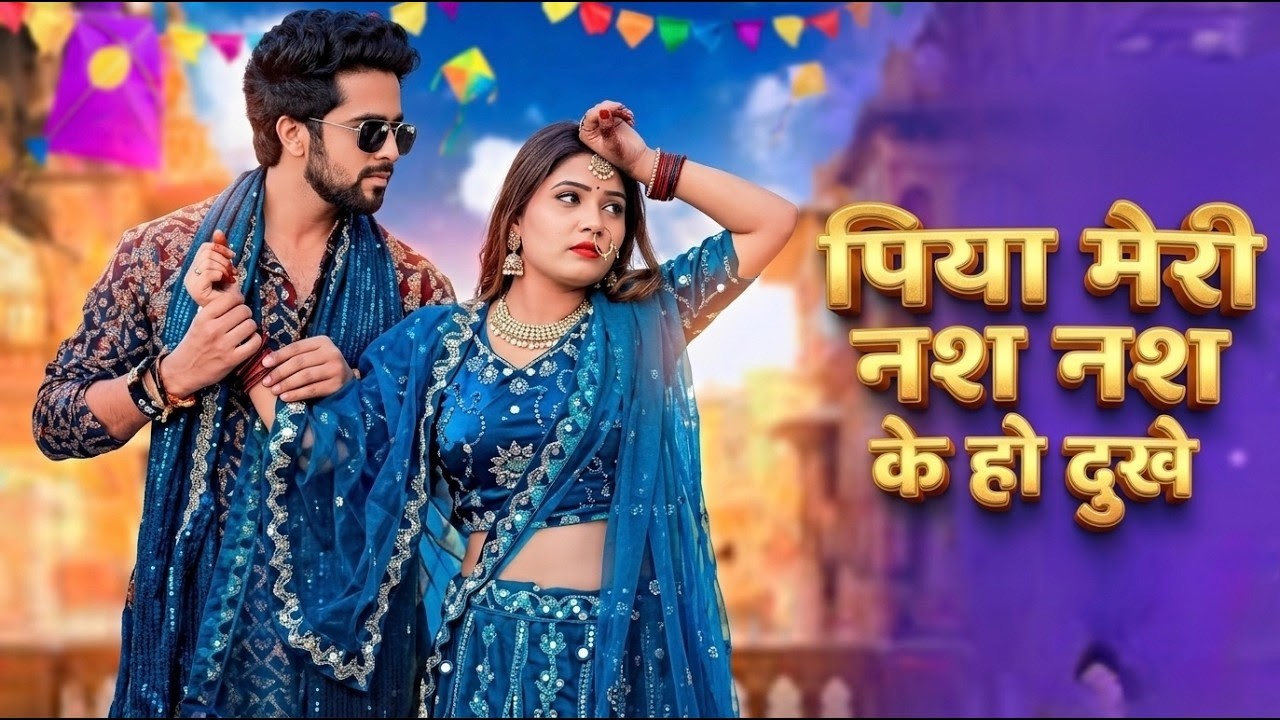
A romantic number with a deceptively simple title is doing the rounds across YouTube and short-video feeds, and it is built on a dialect most national listeners can barely place. "Nas Nas Kyu Dukhe", fronted by Anjali Raghav and Karan Chaudhary, is a Brajbhasha song that has quietly become one of the more-shared regional tracks of the season. The line that gives it its name — a lover complaining that every vein aches with longing — is the kind of melodramatic hook that travels far in north India's music economy.
What makes the moment worth a second look is not the song alone but the machine behind it. This is a genre that operates almost entirely outside the Mumbai film industry, yet routinely pulls numbers that would make a Bollywood marketing head nervous. Understanding why a Braj-belt love song catches fire tells you a lot about how Indians actually listen now.
What the song actually is
Strip away the packaging and "Nas Nas Kyu Dukhe" is a classic separation-and-yearning ballad dressed in modern regional-pop clothes. The arrangement leans on a steady beat, a singable melody and a chorus that repeats often enough to lodge in your head after one listen. The video puts its two leads at the centre — expression, glances and light choreography carrying the emotional weight rather than any elaborate plot.
The choice of Brajbhasha is the interesting part. This is the language of the Krishna country around Mathura, Vrindavan and Agra, long associated with devotional poetry and folk theatre rather than chart pop. Hearing it wrapped around a contemporary heartbreak song gives the track a flavour that pure Haryanvi or Hindi releases do not have. It feels rooted and slightly novel at the same time.
Who is driving it
Anjali Raghav is a familiar face to anyone who follows the Haryanvi music circuit. She has built a following through music videos and live stage shows across the Hindi belt, the kind of grassroots fame that does not always register in metro media but is very real in the towns and villages where this music lives. Her presence on a track is itself a draw.
Karan Chaudhary sits in the same ecosystem of singers and performers who release a steady stream of singles aimed squarely at YouTube and short-video platforms. Pairing an established screen presence with a vocalist is a tried formula here. The audience comes for the names it knows and stays for the hook.
A few things are worth stating plainly. Exact view counts and chart positions for these regional releases move fast and are easy to misquote, so treat any single number you see with caution. What is not in doubt is the pattern: songs from this stable tend to accumulate views in waves, powered far more by sharing than by any official push.
Why regional pop wins on YouTube
India is the largest YouTube audience on the planet, and a huge share of that watch time is in languages other than English and polished studio Hindi. Haryanvi, Bhojpuri, Punjabi and Braj-belt music have turned the platform into their primary stage, skipping radio, television and film entirely. For millions of listeners, the YouTube app simply is the music industry.
The economics reward volume and consistency. A song like "Nas Nas Kyu Dukhe" does not need a massive budget; it needs a memorable hook, a watchable video and the right moment. Several forces stack up in its favour:
- A repeatable chorus that works as background audio for short videos.
- Recognisable performers whose names trigger an instant click from existing fans.
- A dialect with emotional pull for audiences from the Braj region and beyond.
- Low friction sharing, with one forward on WhatsApp doing the work of a billboard.
- An algorithm that keeps surfacing similar tracks once you watch one.
None of this is accidental. The teams behind these releases understand their audience intimately and design for repeat plays rather than critical praise.
The reels effect
The single biggest accelerant for a song like this is short-form video. Once a catchy segment becomes a usable audio clip, ordinary users start building their own dance, lip-sync and comedy clips on top of it. Each of those is a tiny advertisement that loops back to the original.
This is how a track can feel like it is "everywhere" without any traditional promotion. You hear the hook on one reel, then another, then a cousin shares the full video, and suddenly it is part of the week's soundtrack. The song stops being a release and becomes a template that thousands of people perform.
For performers like Anjali Raghav, that user-generated wave is gold. It extends a song's life well beyond its launch window and feeds back into stage-show bookings, where this circuit makes much of its real money. The online buzz and the offline economy reinforce each other.
The public reaction, and the criticism
Response to these tracks tends to split along familiar lines. Fans celebrate the catchy melody, the chemistry of the leads and the pride of hearing their own dialect on a big platform. Comment sections fill with requests for live shows and praise for the vocals. For the core audience, a song like this is simply a good time.
Critics of the wider genre raise recurring objections. Some argue the videos lean too heavily on the female lead's screen presence rather than the music, a complaint that has followed Haryanvi pop for years. Others find the lyrics and arrangements formulaic, one heartbreak template swapped for the next. It is fair to note these debates exist; it is also fair to say the audience keeps voting with its clicks regardless.
There is a gentler cultural point underneath the noise. A mainstream-feeling pop hit in Brajbhasha is genuinely uncommon, and for listeners from that region it carries a small thrill of representation. A language usually heard in temple courtyards and folk plays getting a slick modern video is, in its own quiet way, a notable thing.
What this signals about Indian music
The rise of "Nas Nas Kyu Dukhe" is one more data point in a long-running shift. The centre of gravity in Indian popular music has been moving away from film soundtracks and toward independent regional releases that live and die on YouTube and reels. Bollywood still produces hits, but it no longer monopolises what the country hums.
For independent regional artists, the lesson is encouraging and slightly brutal at once. The barrier to reaching millions has collapsed, but so has the shelf life of any single song. The same pipeline that lifted this track will lift the next one in a few weeks, and the audience moves on without sentiment.
Expect the immediate next steps to follow the usual script: a flood of dance covers and reel edits, possible remix or extended versions, and a run of live performances where the song becomes a guaranteed crowd-pleaser. Whether it has the legs to outlast the season is unknowable, and anyone claiming certainty is guessing. What is clear is the larger truth it illustrates — that in 2026, a love song in a centuries-old dialect can outrun far better-funded releases simply because the audience decided to press share.