Photo: www.kaboompics.com / Pexels
How to Nominate Yourself for an Arjuna or Khel Ratna Award
Every August, a handful of Indian athletes walk up to collect the country's highest sporting honours, and almost as many talented ones miss out simply because nobody filed their paperwork in time. That second group is the reason this guide exists. The National Sports Awards — headlined by the Major Dhyan Chand Khel Ratna and the Arjuna Award — are no longer a closed-door affair decided over an athlete's head. Since 2020, you can put your own name forward online, and a surprising number of deserving players still don't.
This is a working guide to how the system actually runs: who qualifies, how performances are scored, what the awards are worth, and the practical steps to file a nomination that the committee will take seriously.
The four honours, and what each one rewards
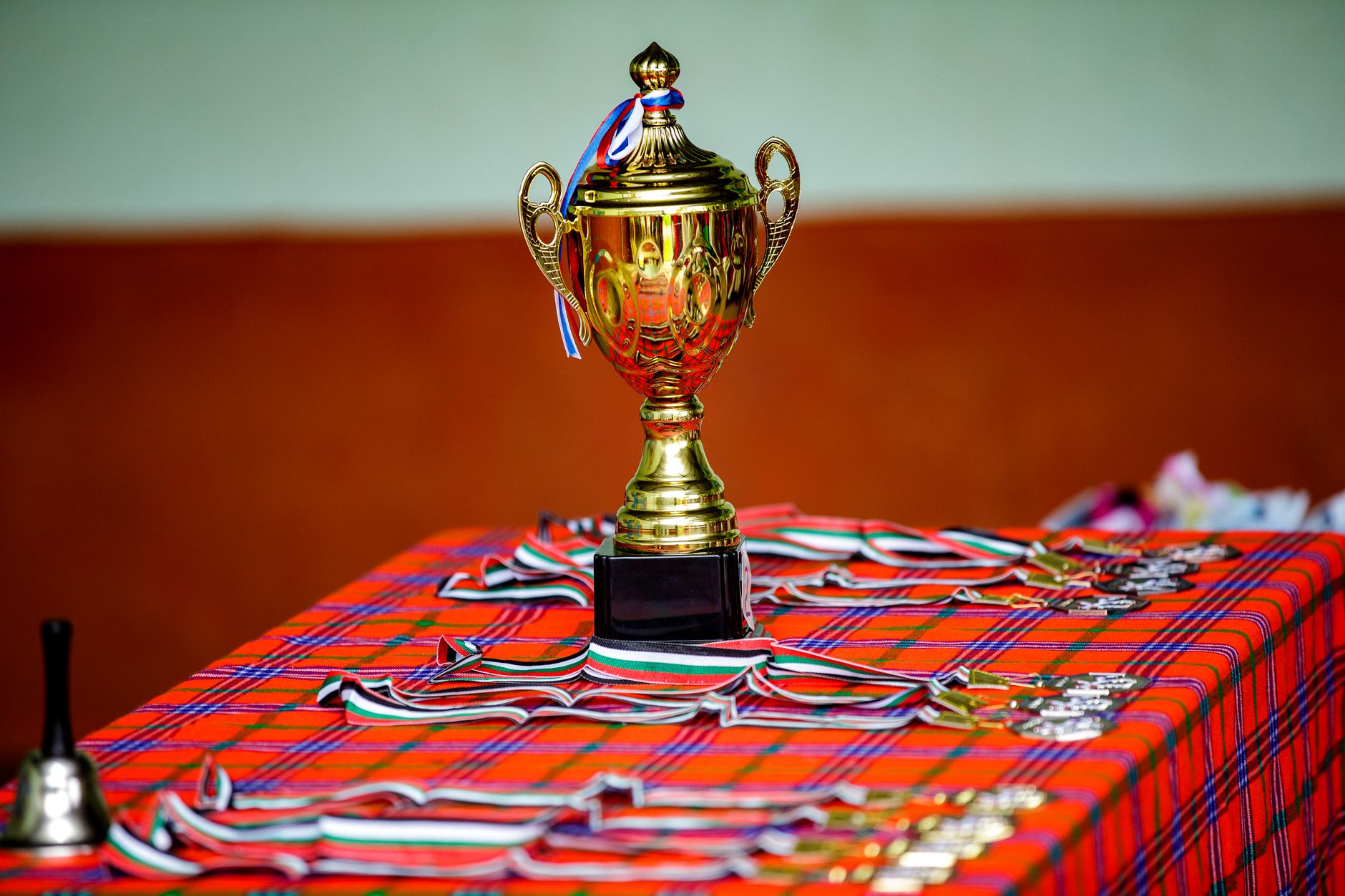
The awards are not interchangeable, and matching yourself to the right one matters.
- Major Dhyan Chand Khel Ratna: the top individual honour, given for the most spectacular and outstanding performance by a sportsperson over a set period. Carries roughly ₹25 lakh.
- Arjuna Award: for consistently outstanding international performance over about four years, combined with qualities of leadership, sportsmanship and discipline. Carries roughly ₹15 lakh.
- Dronacharya Award: for coaches who have produced medal-winning athletes, with separate lifetime and regular categories.
- Dhyan Chand Award for Lifetime Achievement: for veterans who shone as players and kept contributing to their sport after retiring.
There is also the Rashtriya Khel Protsahan Puraskar for institutions, corporates and academies that back sport, and the Maulana Abul Kalam Azad (MAKA) Trophy for the best-performing university. The split matters because a young athlete with one blazing season fits the Khel Ratna conversation, while a steady four-year campaigner is squarely an Arjuna candidate.

Who is actually eligible
The single most common reason nominations get rejected is a basic eligibility mismatch. Before you touch the portal, check the fundamentals.
The Arjuna recognises a body of work, not a fluke. A nominee is expected to have shown good performance consistently across roughly the preceding four years at the international level, not just one medal in one event. Discipline and conduct count too; a record of doping violations or serious misconduct can sink an otherwise strong file.
The Khel Ratna looks for the standout performance in the assessment window — an Olympic or Paralympic medal, a world title, a record that reset the bar. Para-athletes compete in the same award categories as able-bodied athletes, and the awards span Olympic disciplines, recognised indigenous games and traditional sports alike.
One quiet rule trips people up: an athlete who has already received the Arjuna cannot get it again, and certain awards can't be held in combination. Read the year's official guidelines before assuming you're eligible for two at once.
How performances are scored
The committee does not run on vibes. Nominations are assessed on a points-based matrix where medals at different competitions carry different weights, and the gradient is steep.
In broad terms, the hierarchy of value looks like this:
- Olympic and Paralympic Games medals sit at the top.
- World Championships and World Cups in Olympic disciplines come next.
- Asian Games and Commonwealth Games medals follow.
- Continental championships and other recognised international events fill out the lower tiers.
Gold, silver and bronze are scored differently within each event, and individual medals typically weigh more heavily per athlete than team-event medals split across a squad. The committee — usually chaired by a retired senior judge and including past awardees, administrators and sports journalists — uses these points as a backbone, then weighs continuity, leadership and conduct on top. Points get you into the room; the qualitative factors decide the close calls.
The practical lesson for an athlete building a case: lead with your highest-tier results, list the exact event, date and your finishing position, and don't pad the file with minor domestic medals that carry little weight and clutter the picture.
Filing a self-nomination, step by step
The self-nomination route, opened in 2020, is the single biggest change to this system in decades. It means you are not at the mercy of a federation that forgot, or chose not, to send your name up. Here is the realistic workflow.
- Watch for the window. The Ministry of Youth Affairs and Sports issues a public call each year, usually mid-year, with a firm last date. Miss it and you wait twelve months.
- Register on the official awards portal. Nominations are handled online through the government's dedicated awards website. Create your login early; doing it on the last evening is how files get lost.
- Assemble your performance record. A clean, year-by-year table of international results — competition, location, date, event, position — is worth more than a wall of text.
- Attach proof. Result sheets, federation certificates and official records for each claimed performance. Unverifiable claims are effectively invisible to the committee.
- Add conduct and contribution details. Captaincy, clean anti-doping record, mentoring and any work that shows leadership all strengthen an Arjuna case.
- Submit and keep the acknowledgement. Save the reference number; it is your proof of a valid, on-time entry.
Federations, the Indian Olympic Association, the Sports Authority of India and state governments can still nominate athletes, but the self route means a strong record no longer needs an institutional gatekeeper to be seen.
Common mistakes that sink strong files
A good athlete with a sloppy application loses to an average one with a clean file. The recurring errors are avoidable.
Undocumented medals top the list — if you can't attach proof, don't claim it. Wrong-category nominations come next, with four-year consistency players reaching for the Khel Ratna when the Arjuna fits better. Then there's timing: last-minute submissions that fail when the portal is overloaded. And padding — burying two genuine international medals under a dozen irrelevant local ones, which dilutes rather than strengthens the case.
For coaches eyeing the Dronacharya, the equivalent trap is failing to clearly link specific athletes' medals to their coaching tenure. The committee wants a traceable line from coach to podium.
Why the self-nomination shift matters
For most of the awards' history, recognition flowed through federations, and athletes from smaller or poorly run bodies routinely fell through the cracks. Opening direct nominations rebalanced that. A wrestler, shooter or para-athlete whose federation is dysfunctional can now make their own case on the strength of their results.
It also raises the bar on record-keeping. Athletes who treat their career like a documented portfolio — saving every result sheet and certificate as they go — are simply better placed when the window opens than those scrambling to reconstruct a decade of competitions in two weeks.
The winners are announced around 29 August, National Sports Day, marking Major Dhyan Chand's birthday, and presented at a national ceremony. The cash and the statuette matter, but so does what the recognition unlocks afterward: it strengthens claims for government jobs under sports quotas, pensions for past awardees, and the standing to push for better facilities. For an athlete who has put in the years, the worst outcome isn't losing on points. It's never being in the running because the form went unfiled.