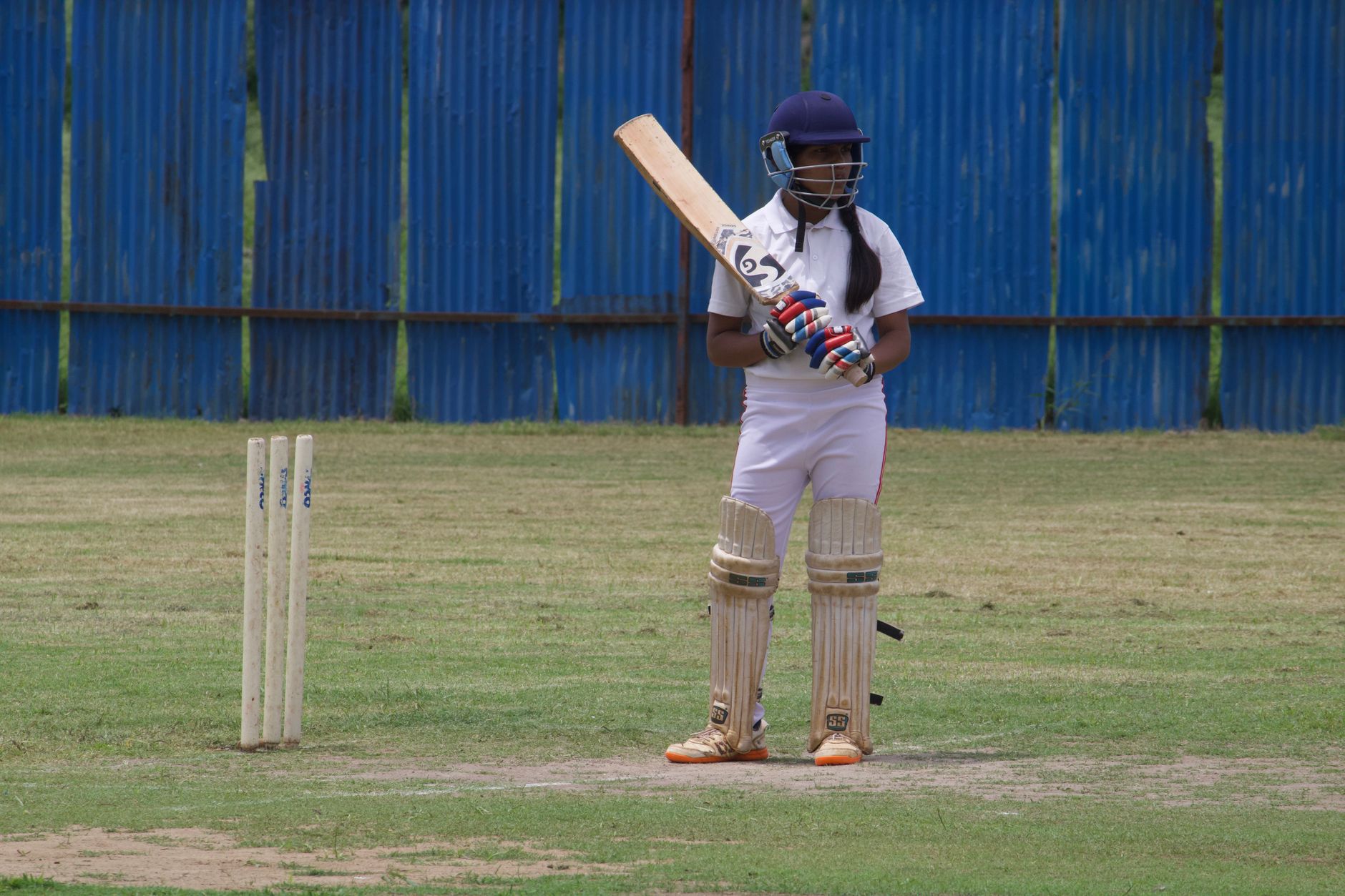
Photo: Shlok / Pexels
National Sports Governance Act 2025: A Plain-English Guide
For years, the most reliable feature of Indian sport was not a medal — it was a court case. Selection rows ended in writ petitions, federation elections were settled by judges, and rival factions ran parallel bodies for the same sport. The National Sports Governance Act, passed by Parliament in 2025, is the state's attempt to drag that chaos into a single, predictable framework. It is the most sweeping rewrite of how Indian sport is administered in decades, and if you are an athlete, a coach, a parent of a junior player, or simply a fan tired of off-field drama, it will touch the games you care about.
This is a plain-English guide to what the law does, who it covers, and where the catches are.
What the National Sports Governance Act actually does
Strip away the legalese and the Act is built on one idea: every recognised national sports body should answer to a common set of rules, with a single referee to enforce them. Until now, India governed sport through executive guidelines — the Sports Code — that federations routinely challenged or ignored because they were administrative orders, not statute. By converting governance norms into an Act of Parliament, the government has given them teeth.
The law creates new institutions, sets minimum standards for how federations must be structured and elected, mandates a real voice for athletes inside those bodies, and channels disputes away from civil courts into a dedicated tribunal. It also explicitly aims at the recurring embarrassments of Indian sport — factional splits, ageing administrators clinging to office, opaque finances, and selection decisions no one can scrutinise.
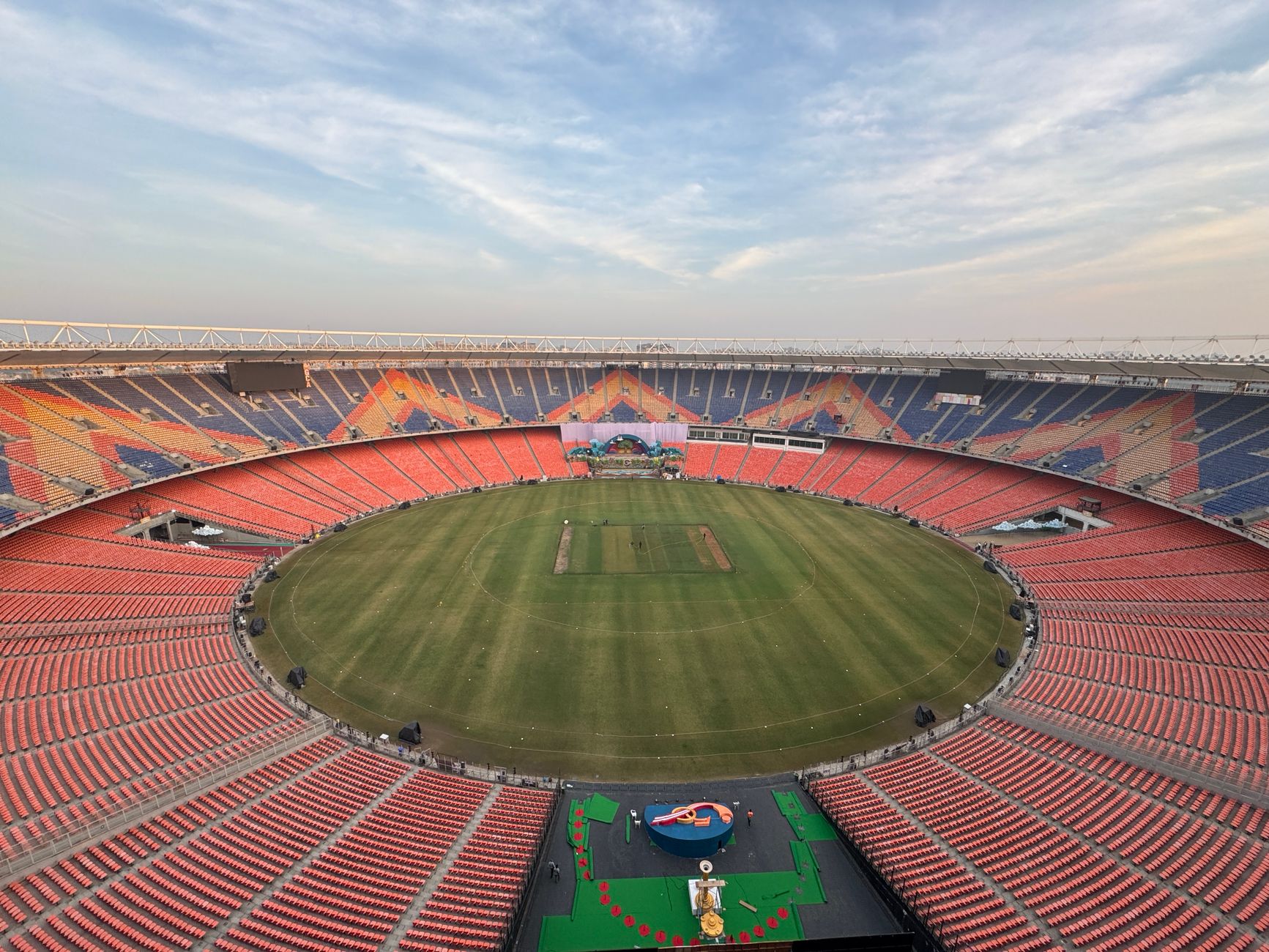
Importantly, the Act is paired with reform of the anti-doping regime, signalling that India wants its house in order before it bids seriously for global events, including the 2036 Olympics it openly covets for Ahmedabad.
The National Sports Board: one regulator to recognise them all
The centrepiece is a new National Sports Board (NSB). Think of it as the licensing authority for organised sport in India. National Sports Federations — the bodies that run individual disciplines like athletics, hockey, wrestling or badminton — will need recognition from this board to be treated as the official governing body for their sport.
That recognition is not a rubber stamp. The board can set conditions, demand compliance with governance and financial standards, suspend a federation that misbehaves, and crucially, resolve the "who is the real federation?" disputes that have crippled disciplines for years. When two committees claim to run the same sport, the board now has statutory authority to decide.
This concentration of power is also the law's biggest fault line. Critics worry that a board whose members are appointed through a government-driven process hands the Centre enormous leverage over bodies that are supposed to be autonomous — and that the global Olympic movement, which is allergic to government interference, may bristle. The counter-argument is blunt: self-regulation gave India parallel federations and frozen athletes, so some external authority is overdue.
A tribunal built to end the courtroom era
If the board is the regulator, the National Sports Tribunal is the courtroom — a specialised one. The Act sets up a tribunal, expected to be headed by a senior judge, with the power to hear disputes over selections, elections, federation recognition and disciplinary action.
The point is speed and expertise. A dropped athlete contesting a selection no longer has to file in a high court and wait through a general docket; the matter goes to a body that does nothing but sport. Decisions of the tribunal can be appealed only to the Supreme Court, which means ordinary civil courts are largely shut out of sports disputes.
For athletes, this is potentially the most consequential change of all. A trials controversy that today drags on for months — long enough to wipe out a season — could in theory be resolved before the team flies out. Whether it works in practice depends entirely on how fast the tribunal is staffed and how willing it is to issue interim relief. A specialised court that still takes a year helps no one.
Will the BCCI really come under this law?
The question every cricket fan asks first. The BCCI has historically guarded its independence fiercely, partly because it takes no central government grants and funds itself many times over through broadcast and sponsorship money.
The Act's logic, however, is hard to dodge. Cricket is returning to the Olympic programme at Los Angeles 2028, and any Indian body sending a team to the Games must be a recognised national federation under the new framework. Government ministers have stated plainly that the BCCI will fall within the Act's ambit like any other federation. In practice that means the board would be subject to the same governance norms, the same tribunal for disputes, and — a sensitive point — potential treatment as a public authority answerable under the Right to Information Act.
The BCCI's day-to-day commercial muscle is unlikely to shrink overnight. But the symbolic shift is large: the richest, most autonomous body in Indian sport being slotted into the same rulebook as a small wrestling or rowing federation. How aggressively that is enforced will be one of the defining stories of the next few years.
What athletes actually gain — and the catch
The Act tries to move athletes from the bottom of the pyramid to inside the room. Federations are required to give sportspersons real representation in their decision-making — athlete committees and the inclusion of accomplished players in executive bodies, so that the people who compete have a formal say in how their sport is run.
There is also a stronger architecture for grievances: safe channels to raise complaints, protections that matter in a system where junior athletes have long been vulnerable to coaches and officials with unchecked power, and the tribunal as a backstop when internal processes fail. Coupled with transparency requirements — published accounts, RTI exposure, election oversight — the intent is a sport ecosystem where an athlete is a stakeholder, not a supplicant.
The catch is implementation. Representation clauses are only as good as the elections that fill them; transparency rules only bite if someone audits and acts. A statute can mandate an athletes' commission, but it cannot, by itself, guarantee that the commission has teeth or that a 19-year-old will feel safe using it. The law builds the plumbing. Whether clean water flows depends on the officials who run the taps.
Age, tenure and the politics of federations
One of the longest-running fights in Indian sport is generational: administrators who treat federation posts as lifetime appointments. The Sports Code tried to impose age and tenure limits; the courts and the officials fought back endlessly.
The new Act revisits this with term and age provisions for office-bearers, but it also leaves room for officials to serve later in life where international charters require it — a flexibility that reformers read as a loophole for entrenched administrators to linger. It is a genuine tension: align with the Olympic and international federation bylaws (which often allow older office-bearers) and you protect India's global standing; impose hard domestic caps and you risk having your federations de-recognised internationally. The Act leans toward alignment, and the debate over whether that was the right call will run for years.
Election integrity gets its own machinery too, with independent oversight of federation polls intended to stop the ballot-stuffing and disputed membership lists that have produced so many parallel bodies.
What comes next
The law is on the books; the hard part is the rules, appointments and first test cases. Watch three things. First, how quickly the National Sports Board and tribunal are actually constituted and whether their members command credibility independent of the ministry. Second, the first big dispute — a contested federation election or a high-profile selection row — because that is when we learn if the tribunal delivers speed or just adds a layer. Third, the BCCI's posture, which will set the tone for whether the Act is enforced uniformly or selectively.
For athletes and fans, the honest takeaway is cautious optimism. India has finally written down, in law, that sport should be transparent, that disputes should be settled fast, and that the people who play deserve a seat at the table. That is real progress on paper. The medals, and the trust, will come only if the institutions it creates are run by people who actually want them to work.