Photo: Mehmet Turgut Kirkgoz / Pexels
NFHS-6 Shows India's Mothers and Children Healthier, But New Worries Emerge
India's most detailed picture of family health in years has arrived, and it tells a story of steady, hard-won progress shadowed by fresh problems. On 29 May 2026, the Union Ministry of Health and Family Welfare released the sixth round of the National Family Health Survey, known as NFHS-6, built on visits to roughly 6.79 lakh households across 715 districts during 2023–24. Coordinated by the International Institute for Population Sciences in Mumbai, the survey is the country's benchmark source of district-level data on births, child growth, vaccination, contraception and household well-being. Its findings shape everything from nutrition budgets to immunisation drives, which is why each new round is parsed so closely.
The headline message is cautiously encouraging. On most of the indicators that track whether mothers survive childbirth and children survive their first years, the numbers moved in the right direction since NFHS-5 in 2019–21. But the same dataset flags a country in transition, where old battles against undernutrition overlap with newer ones against obesity, lifestyle disease and the rapid medicalisation of birth.
Mothers and Babies Are Faring Better
The clearest gains are in maternal and newborn care. Institutional deliveries, meaning births that happen in a hospital or clinic rather than at home, rose to 90.6 percent from 88.6 percent, edging India closer to universal safe childbirth. The share of births attended by a skilled professional climbed to 91.3 percent. Antenatal care is also reaching women earlier: about 76 percent now begin checkups in the first trimester, up from 70 percent, and the proportion completing four or more visits rose to 65 percent. Care after delivery improved too, with newborn checkups within two days reaching 85 percent.
Immunisation is one of the survey's brightest spots. Full vaccination among children aged 12 to 23 months rose to 87 percent. The most striking jump is in rotavirus coverage, which protects against a leading cause of severe childhood diarrhoea: it leapt from roughly 36 percent to 85 percent as the vaccine rolled out nationwide. The second dose of the measles vaccine also climbed to nearly 72 percent. Together these shifts suggest the public system, which delivered the large majority of these shots, has scaled up faster than many expected.
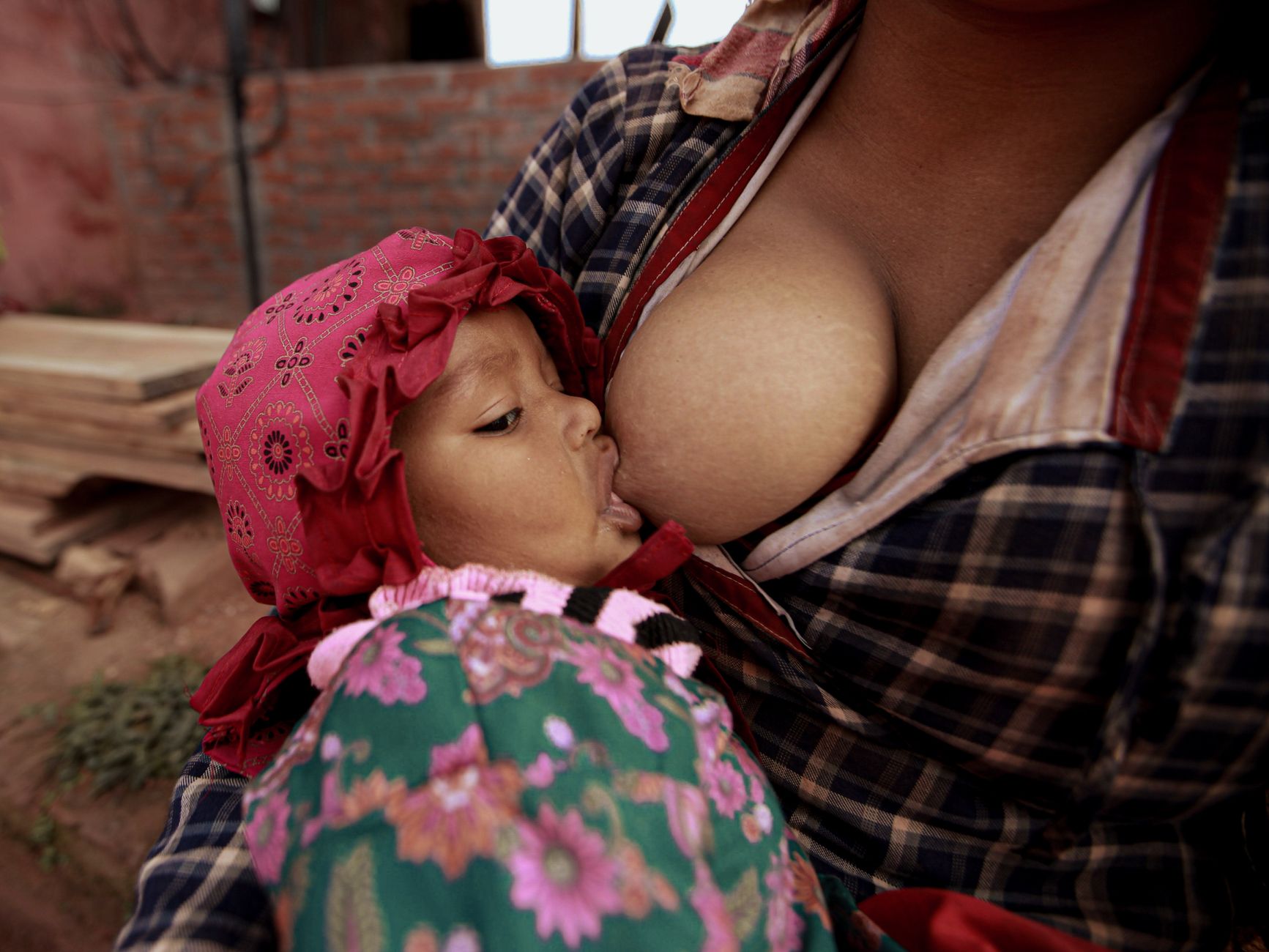
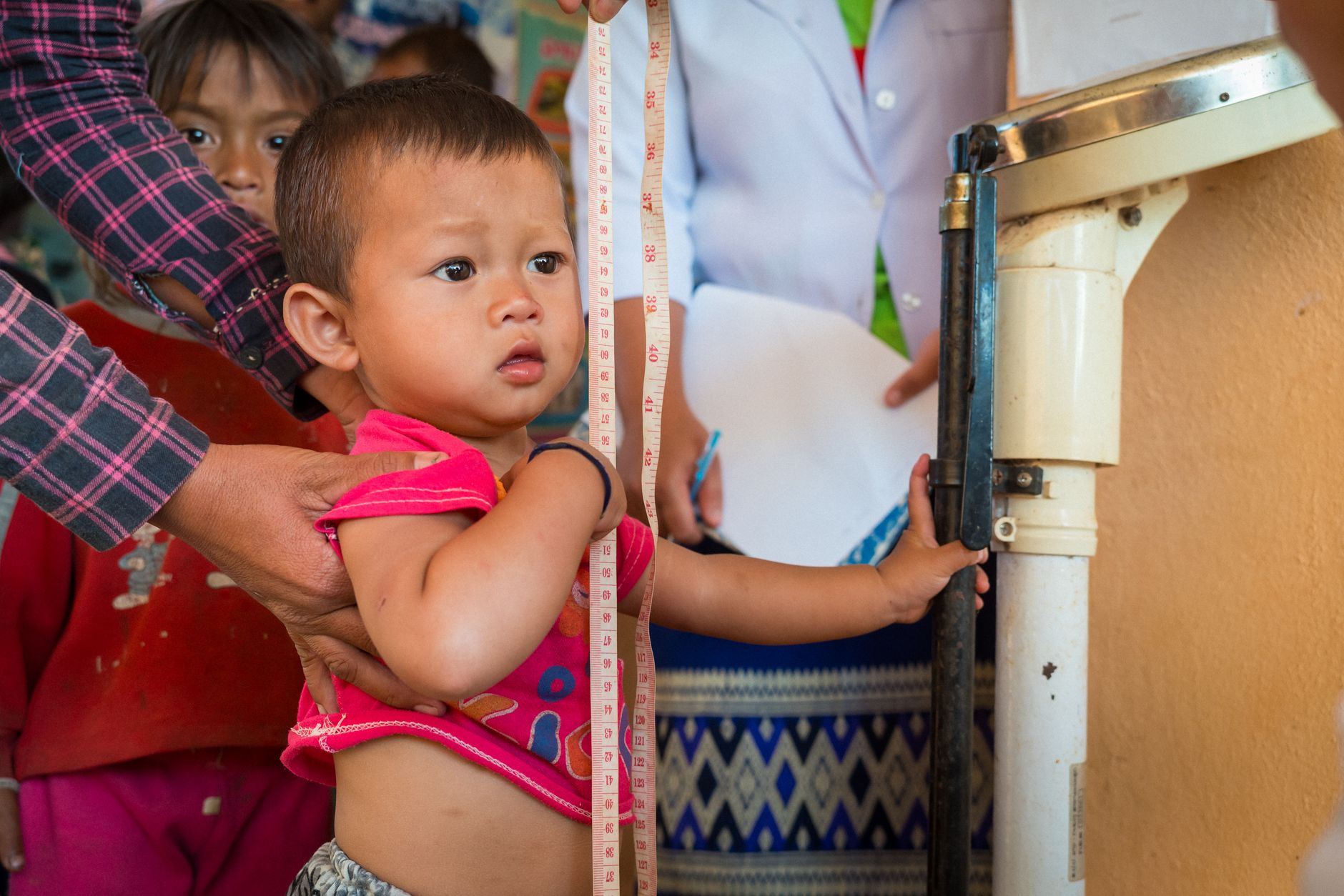
Child nutrition, long India's most stubborn challenge, eased as well. Stunting, a marker of chronic undernutrition that stunts both height and brain development, fell to 29.3 percent from 35.5 percent. Severe wasting, which reflects acute and dangerous weight loss, dropped to 5.2 percent from 7.7 percent. Early feeding habits improved, with about half of newborns now breastfed within the first hour and a higher share of babies introduced to solid food on time.
Where the Survey Sounds an Alarm
The progress is real, but NFHS-6 is candid about where it stalls. Underweight prevalence among young children barely budged, slipping only from 32.1 to 31.8 percent, a reminder that average weight remains a weak point even as height-for-age improves. Roughly four in ten infants aged six to eight months still are not receiving any solid or semi-solid food, a critical window when milk alone is no longer enough. And only about 38 percent of pregnant women took iron and folic acid supplements for the recommended 180 days, leaving a wide gap in protection against anaemia.
The survey also captures the flip side of rising incomes and changing diets. Officials flagged non-communicable diseases and growing obesity as emerging concerns, signalling that India is increasingly carrying a double burden: malnutrition and overnutrition at once. Another figure drew attention from doctors and policymakers alike. Caesarean-section deliveries jumped sharply to 27.2 percent from 21.5 percent, pushing well past the level the World Health Organization considers medically justified at a population level. That rise hints at over-medicalised childbirth, particularly in private facilities, rather than purely safer care.
Why the Numbers Matter
NFHS data is not an academic exercise. Because it reports down to the district level, it tells planners precisely where vaccination vans, supplementary feeding or maternity support are working and where they are not. The fertility rate held steady at 2.0 children per woman, comfortably below the replacement mark of 2.1, confirming that India's population is set to stabilise over coming decades. Contraceptive use edged up to 69 percent, and the share of households with some form of health insurance or financing climbed to 60 percent from 41 percent, reflecting the spread of government coverage schemes.
The broader takeaway is that India's health story is no longer a single arc of catching up. It is two stories running at once: a public-health machine getting better at the basics of keeping mothers and infants alive, and a society now facing the diseases of affluence and the costs of over-treatment. The survey gives the next round of policy a sharp, granular map of both. The harder question, as always, is whether budgets and frontline workers can follow where the data points.
Source: medicaldialogues.in