Oklahoma vs Georgia Baseball: Why That YouTube Stream Is Everywhere
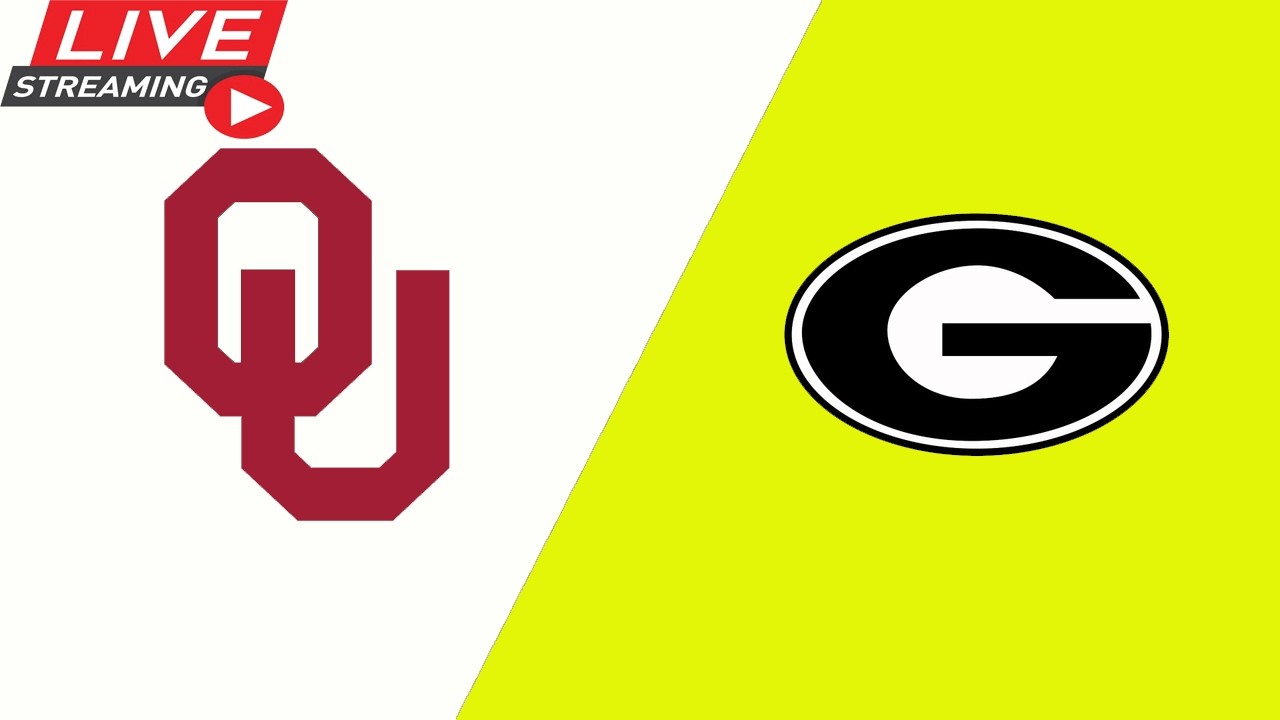
A YouTube listing titled "Oklahoma vs Georgia LIVE FHD | NCAA Baseball" is doing something a college baseball game in the American Midwest has no business doing in India: pulling in curious viewers from Mumbai to Madurai. The clip is one of dozens of unofficial "live" streams that surface whenever a big U.S. college sports fixture lands, and its sudden reach says more about how sport travels online in 2026 than about the scoreline itself.
For most Indian readers, the names need a quick frame. Oklahoma and Georgia are two of the heavyweight athletic programs in American college sport, and their baseball teams now sit in the same conference, the SEC (Southeastern Conference), widely regarded as the toughest league in the country. When two SEC schools meet deep in the season, the audience is large, the rights are valuable, and the demand for a free feed is enormous. That gap is exactly what these YouTube channels rush to fill.
What the stream actually is
The video promising Oklahoma vs Georgia in "FHD" is not an official broadcast. It belongs to a familiar species of channel that springs up around marquee fixtures, slaps a bold thumbnail and a 1080p promise on the title, and either restreams a licensed feed or, in many cases, loops a holding screen while the countdown ticks. Some carry a genuine pirated signal. Others are little more than bait built to harvest clicks and ad impressions.
The tell-tale signs are consistent. The channel name rarely matches any known broadcaster. The description is stuffed with team names and search terms. And the stream often appears hours before the first pitch, with a static graphic and upbeat music to keep viewers parked on the page. None of this is unique to baseball; the same playbook follows football friendlies, cricket, UFC and tennis.
Why it's blowing up
Three forces are pushing this particular listing up the trending charts.
- Timing. Early-to-mid June is the business end of the NCAA Division I baseball calendar, when the field narrows toward the College World Series and every game carries elimination weight. High stakes mean high search traffic.
- A rights vacuum outside the US. Within America, college baseball is comfortably covered. Beyond it, there is no neat, cheap, official way to watch, so international fans and the algorithm-curious gravitate to whatever appears in search.
- YouTube's recommendation engine. Once a stream attracts a burst of clicks, the platform tends to surface it more widely, including to people who have never knowingly watched a baseball game. That is how a niche U.S. fixture ends up in front of an audience in India.
There is also a softer reason. A growing slice of Indian sports fans now follow global leagues casually, the way they might dip into NBA highlights or a Premier League weekend. A free, full-match stream is a low-commitment way to sample a sport they have only seen in films.
The bigger picture: where this game sits
To understand the buzz, it helps to know the structure. NCAA Division I baseball runs a postseason of 64 teams, who play down through regionals and super regionals until eight survivors reach the College World Series in Omaha, Nebraska. It is a single, concentrated showcase that American audiences treat as a genuine event, with packed stands and national television.
A meeting between Oklahoma and Georgia carries extra charge because both moved into the SEC's orbit and now measure themselves against the sport's elite. We are not independently confirming the exact stage, date or result behind this specific stream, and the title alone is not proof the game is live or even real. What is clear is that the matchup is plausible enough, and the brands big enough, to make the listing irresistible clickbait.
The official route, and why fans skip it
In the United States, college baseball's postseason is carried across ESPN's networks and its streaming service, ESPN+. That is the clean, paid, lawful way to watch. The friction for Indian viewers is real:
- There is no dedicated Indian broadcaster acquiring these games for the local market.
- Reaching ESPN+ from India usually means a US-based subscription and payment method, which most casual fans will not bother setting up for a single game.
- Time zones are brutal. A night game in Nebraska lands in the small hours in India.
Faced with that, the average viewer types the team names into YouTube and clicks the first "LIVE" result. The convenience is the whole point, and it is also the trap.
The risks nobody mentions in the thumbnail
Unofficial streams are not a victimless shortcut. The most common problems:
- They disappear. Rights holders issue takedowns, and a stream can die in the seventh inning with no warning.
- Malvertising. Many of these pages push fake "your device is infected" pop-ups, dubious betting promos, or links that try to install software. Treat any download prompt as hostile.
- Scam overlays. Some channels overlay QR codes or "sign up to keep watching" gates designed to phish payment details.
- Quality roulette. "FHD" in the title rarely survives contact with reality; buffering and sudden resolution drops are routine.
A sensible viewer keeps an ad-blocker on, never enters card or login details on a streaming overlay, and closes anything that demands an install. If a page insists you download a "player" to watch a baseball game, that is the moment to leave.
What this trend tells us
The real story here is not Oklahoma or Georgia. It is the economics of attention. A game with no Indian broadcast deal can still command Indian eyeballs the instant someone bootlegs it onto YouTube, because the platform rewards whoever gets the click, not whoever holds the rights. That mismatch is why these streams keep reappearing no matter how many get taken down.
It also points to a commercial blind spot. Leagues and rights holders increasingly talk about going global, yet huge, willing audiences in markets like India are left with grey-area streams because no affordable official product reaches them. Cricket solved this years ago with cheap, mobile-first streaming that all but killed local piracy for big matches. American college sport has not, and the vacuum gets filled by strangers with a thumbnail and a countdown clock.
What happens next
Expect the specific Oklahoma vs Georgia listing to be short-lived. Streams like it are routinely pulled, renamed and reposted, often by the same operators, in an endless game of whack-a-mole with the rights holders. The audience, though, is not going anywhere.
The more interesting question is whether broadcasters notice the demand the data is handing them. Every Indian click on a pirated college baseball feed is a small signal that an untapped market exists. Until someone serves it legally and cheaply, the pattern will hold: a faraway game, a bootleg stream, and a fresh wave of viewers who came for the spectacle and stayed because it was free. For now, if you do watch, watch carefully, guard your details, and remember that the slick "FHD" promise in the title is the easiest thing in the world to fake.