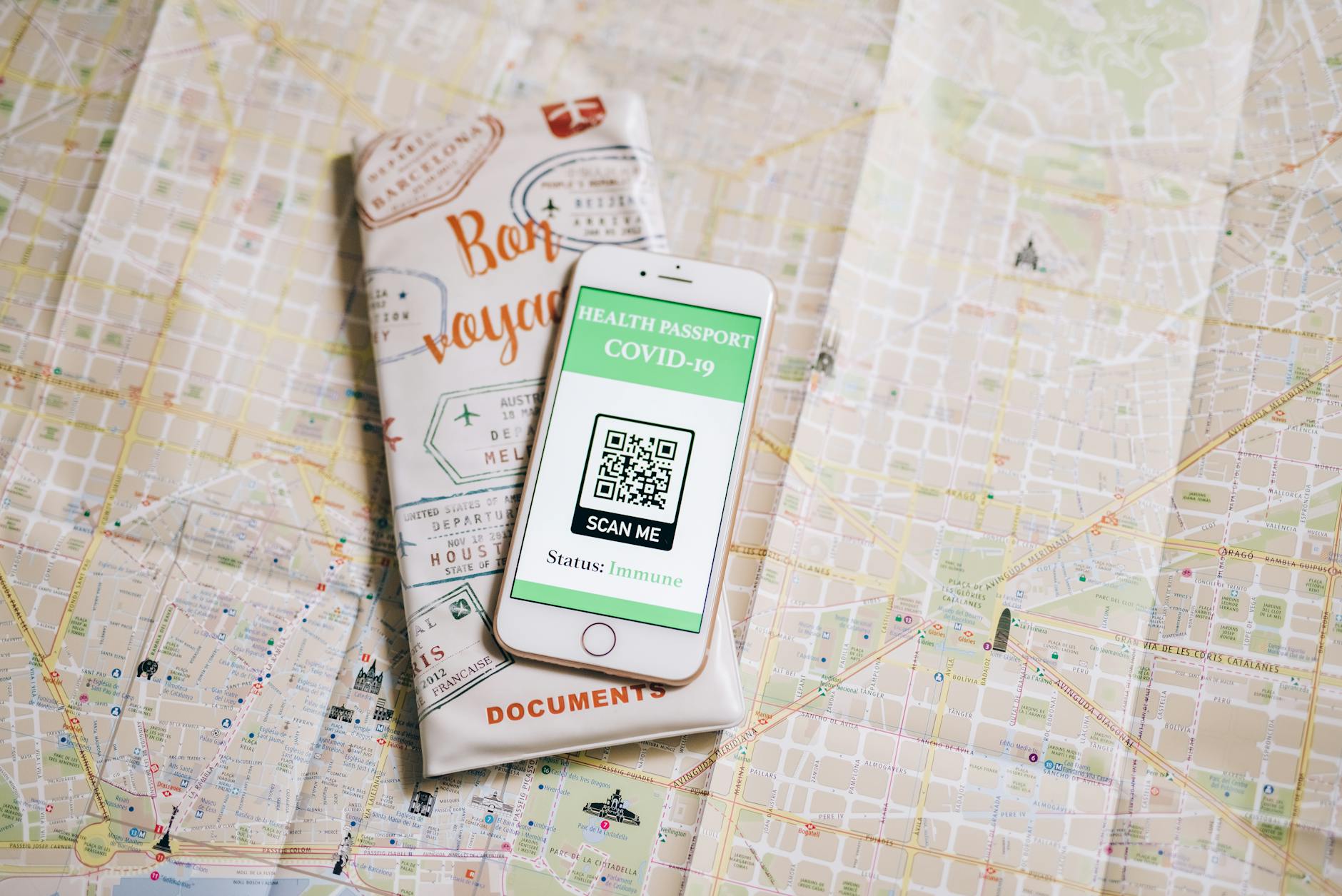
Photo: Leeloo The First / Pexels
Pay With UPI Abroad: Where It Works and How to Set It Up
Standing at a Doha hypermarket checkout or a Paris department-store counter, more Indian travellers are now reaching for the same app they use to buy chai back home. UPI abroad has quietly gone from a pilot project to a real travel tool — and in 2026 it can save you the scramble for foreign cash or a forex card, if you set it up correctly and know where it actually works.
The pitch is simple. Instead of carrying currency, loading a prepaid card, or paying ATM withdrawal charges, you scan a QR code overseas and the money leaves your Indian rupee account instantly, just like at your neighbourhood kirana store. But the reality has sharp edges: it only works in a handful of countries, only at certain merchants, and the fine print on fees can quietly erase the convenience.

Where UPI actually works overseas
As of 2026, UPI is live in roughly eight countries, spread across four regions. The list keeps growing as NPCI, through its international arm, signs deals with local payment networks. The current map looks like this:
- Middle East: The UAE and Qatar are the big ones, with payments enabled through local bank partners — in Doha, you can tap UPI at major retail chains like Lulu hypermarkets.
- South Asia: Nepal, Sri Lanka and Bhutan accept UPI QR payments, making them among the easiest neighbouring destinations to travel cashless.
- Indian Ocean: Mauritius, a popular honeymoon and family destination, switched on UPI acceptance in 2024.
- Southeast Asia: Singapore is linked to UPI, and also offers an instant cross-border money-transfer rail through its PayNow system.
- Europe: France became the first European country to accept UPI, launching in February 2024. Usage is concentrated at high-traffic tourist spots — the Eiffel Tower ticketing and large department stores were early adopters.
The pattern is important: outside South Asia, acceptance is still focused on tourist-heavy locations and partner merchants, not the corner café or every taxi. Treat UPI as a useful backup at big attractions and chains, not as your only way to pay.

How to switch it on before you fly
The single biggest reason travellers find UPI "not working" abroad is that they never activated the international feature. It does not turn on automatically just because your phone connects to a foreign network. Do this before you leave India, while you still have your Indian SIM active for OTPs:
- Open your UPI app — BHIM, Google Pay, PhonePe or your bank's own app (availability varies by app and bank).
- Find the 'UPI International' or 'Activate international payments' setting, usually under the linked-account or profile menu.
- Select the bank account you want to use overseas and enable it.
- Note any validity window — some banks keep international payments on for a limited period (often around 90 days) before you must re-enable.
That's it. There is nothing to pre-load and no separate wallet to fund — payments debit your normal savings account in rupees, and the foreign-currency conversion happens behind the scenes.
What it costs — and the catch most people miss
Here is where the "free and frictionless" story needs a reality check. While the UPI transaction itself rides on a low-cost network, your bank decides the forex treatment, and many add a markup. Expect a foreign-exchange fee in the region of 2–4% on international UPI spends, sometimes with a small processing charge on top.
That matters because a good zero-markup forex travel card can be cheaper for big purchases. The smart move is to compare:
- UPI abroad wins on convenience, instant rupee debit, and avoiding cash-withdrawal fees — ideal for small and medium spends.
- A zero-forex card can win on cost for large bills, and is accepted far more widely.
- Cash still matters for street vendors, tips and places no digital rail reaches.
Always check your own bank's international UPI fee before you assume it's the cheapest option. The convenience is real; the "it's basically free" assumption often isn't.
UPI One World: the flip side for visitors
Worth knowing if you have friends or family visiting India: the system runs both ways. Foreign tourists who don't have an Indian bank account can use a prepaid offering branded UPI One World — a wallet they load with rupees on arrival and spend via UPI QR codes across India, then redeem any unused balance before leaving. It was rolled out to make it easy for international visitors to pay like locals, and it's a handy tip to pass on to inbound guests.
Practical tips so it doesn't fail at the counter
A few habits separate smooth UPI travel from frustrated fumbling at the till:
- Keep your Indian number reachable for OTPs and app authentication. An international roaming pack or a way to receive SMS can save a failed payment.
- Carry a backup. Even in UPI-enabled countries, acceptance is patchy — a card and some cash prevent awkward moments.
- Look for the QR, not the brand. Overseas, UPI usually works by scanning the merchant's local QR through your app rather than entering a UPI ID.
- Check the converted amount before approving. The app shows the rupee figure; make sure the exchange rate and any fee look reasonable.
- Re-enable on long trips. If your bank's international window lapses mid-journey, payments will start failing until you switch it back on.
Why this matters and what comes next
For decades, the default advice for Indians travelling overseas was: carry a forex card and some dollars. UPI is slowly rewriting that script, exporting a homegrown payment habit to the world and giving travellers a familiar, instant option in unfamiliar places.
The direction of travel is clear. NPCI continues to sign new country partnerships, and each addition widens where your everyday app suddenly works. Expect the list to keep expanding, acceptance to deepen beyond tourist hotspots, and remittances — sending money home — to ride the same rails. For now, UPI abroad is best treated as a powerful, money-saving secondary payment method: set it up before you fly, know its eight-or-so home countries, watch the forex fee, and keep a card and cash in reserve. Do that, and you'll spend less time at a counter and more time on your trip.