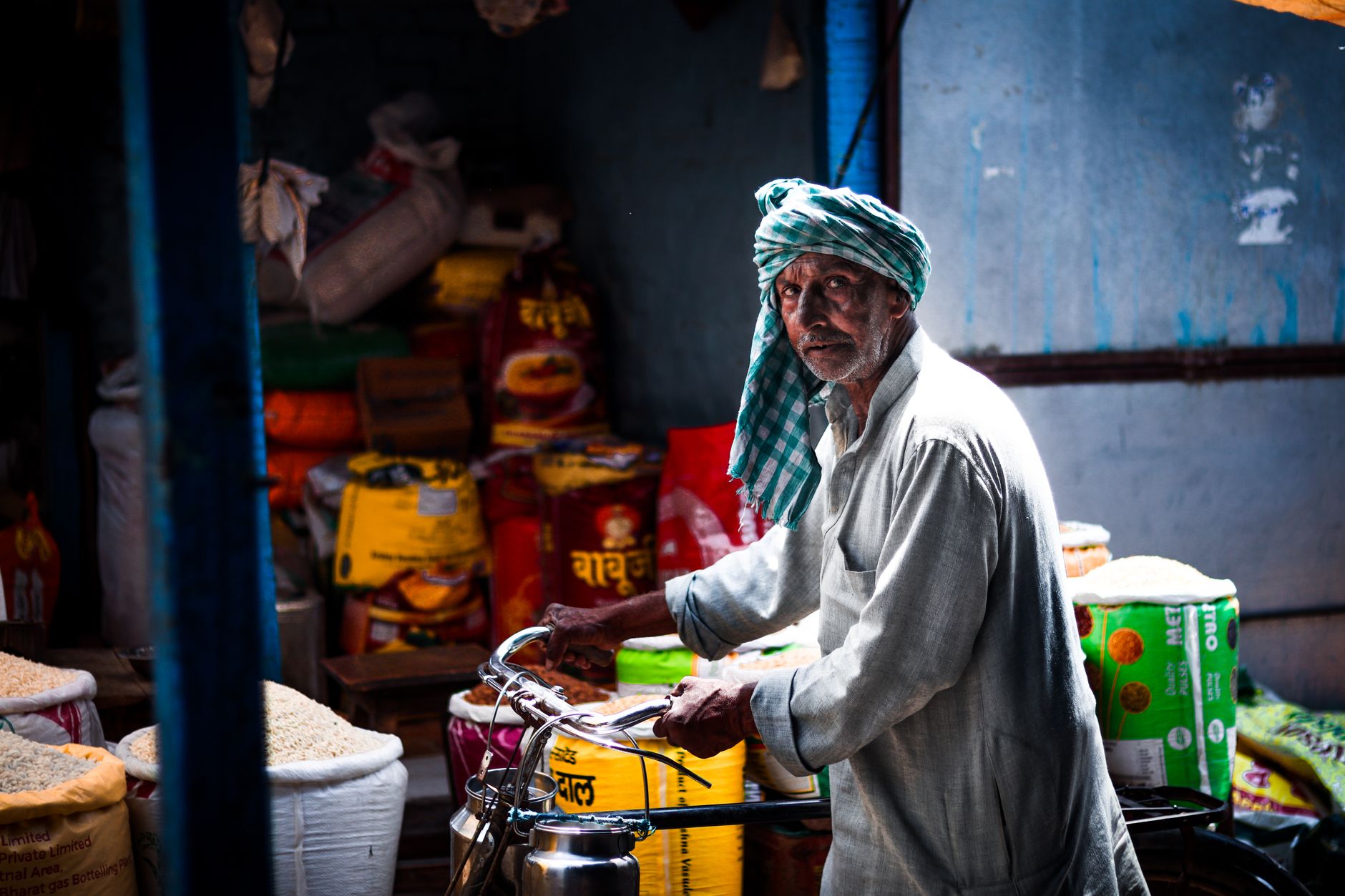
Photo: Hassan Bouamoud / Pexels
Petrol Diesel Price Hike: Why Fuel Crossed ₹100 in Delhi
For nearly four years, the number on the petrol pump barely moved. A litre of petrol in Delhi sat stubbornly around ₹94–96 through elections, budgets and global oil swings, almost as if frozen in time. That illusion of stability shattered in May 2026. In a span of less than two weeks, India's state-run oil companies raised prices four times, and the latest petrol diesel price hike pushed the Delhi rate past the symbolic ₹100 mark once again — to ₹102.12 a litre, with diesel at ₹95.20. In Mumbai, petrol is now above ₹111 and diesel close to ₹98.
The cumulative jump of more than ₹7.50 a litre in under a fortnight is one of the sharpest fuel-price cycles India has seen in years. But the more important story is not the number on the board — it is what the long silence before it was hiding, and why the dam finally broke now.
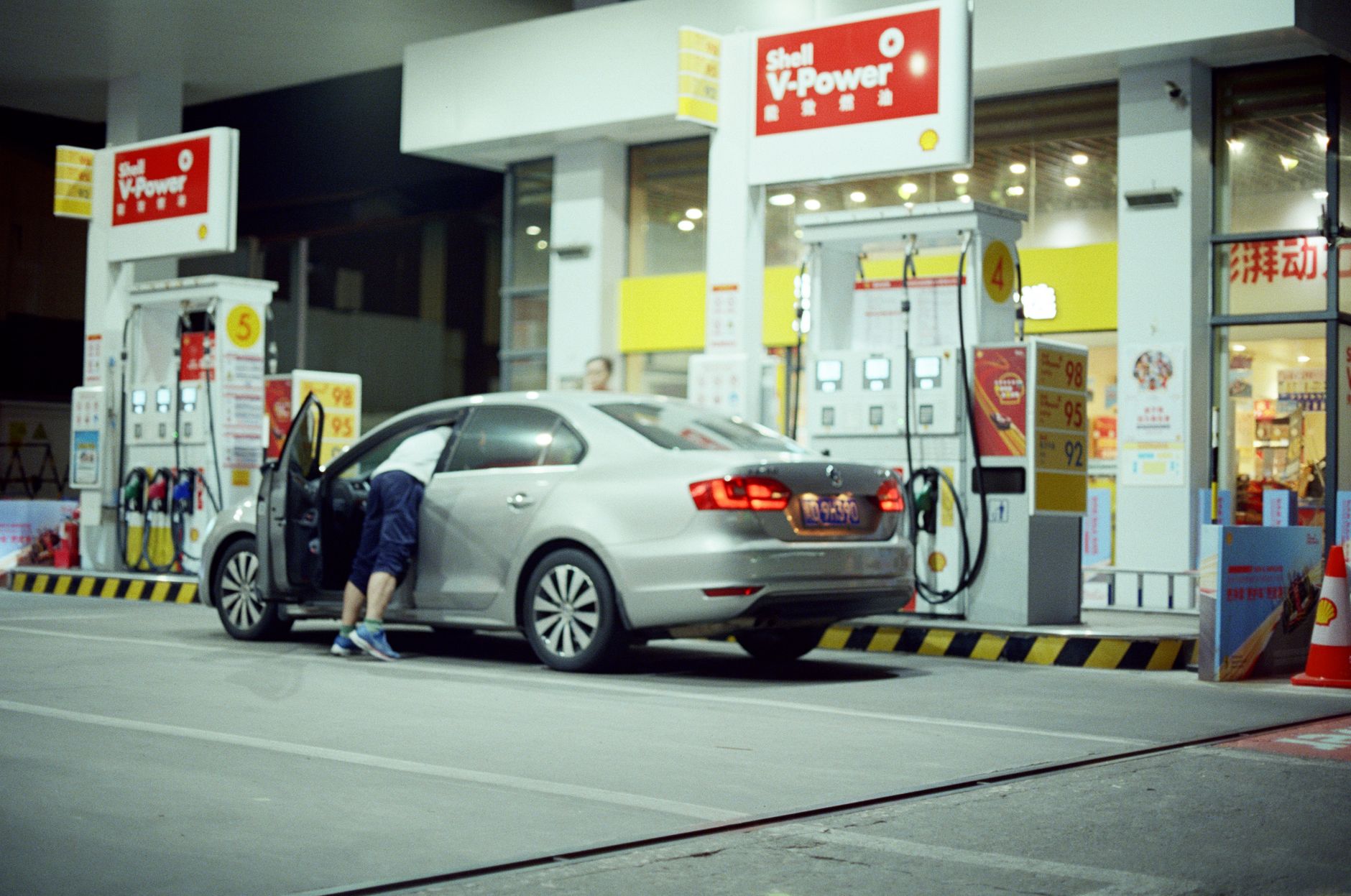
The Four Hikes That Ended a Long Freeze
State-owned retailers Indian Oil, Bharat Petroleum and Hindustan Petroleum revise pump prices under a 'dynamic pricing' system introduced in June 2017, which in theory allows daily changes tied to global crude and the rupee. In practice, the mechanism has often gone quiet for long stretches, especially when politically inconvenient. Between April 2022 and May 2026, retail rates were held virtually unchanged, broken only by a token cut in 2024.
That freeze ended abruptly in mid-May 2026. Across four revisions, petrol and diesel each climbed by roughly ₹7.50 a litre, with the most recent step adding about ₹2.61 to petrol and ₹2.71 to diesel in a single day. The pattern — several smaller increases rather than one big shock — was deliberate. An Indian Oil official described the staggered approach as an attempt to shield consumers as much as possible while still beginning to close a yawning financial gap.

Why Prices Were Frozen for So Long
The freeze was never really about market forces. Fuel is among the most politically sensitive prices in India, feeding directly into transport, food and the household cost of living, and therefore into the mood of voters. Through a dense calendar of state elections, oil marketing companies absorbed the difference between rising international costs and flat domestic prices rather than pass the pain to motorists.
The government had also tried to soften the blow from the supply side. In March 2026, as West Asia tensions began rattling oil markets, New Delhi cut excise duty by ₹10 a litre on both petrol and diesel, slashing the levy on petrol to a few rupees and effectively zeroing out diesel excise. That move cushioned consumers temporarily, but it also stripped the government of a buffer it normally uses to smooth prices — leaving little room to manoeuvre when crude kept climbing.
The Real Trigger: A Strait of Hormuz Shock
The immediate cause of the petrol diesel price hike lies thousands of kilometres away, in the narrow channel between Iran and Oman. The Strait of Hormuz carries roughly a fifth of the world's seaborne oil, and through early 2026 a military standoff involving the United States, Israel and Iran disrupted traffic through the chokepoint. Reports pointed to a naval blockade and shipping interruptions that spooked an already nervous market.
The result was a violent move in crude. Brent surged above $120 a barrel and at points spiked past $126, climbing more than 50% from its February levels. For an economy that imports the overwhelming majority of the oil it burns, that kind of move is a direct hit to the import bill — and ultimately to the pump.
The Rupee Made It Worse
India buys oil in dollars, so the exchange rate quietly amplifies every crude shock. Through this episode the rupee was trading near ₹96 to the dollar, close to record-weak territory. At that level, each dollar increase in the price of a barrel translates into a bigger rupee cost than it would have at, say, ₹83 or ₹84.
In other words, India faced a double squeeze: crude itself was far more expensive, and the currency used to buy it had lost ground. That combination is precisely why the gap between frozen retail prices and true import costs widened so fast that it could no longer be ignored.
₹30,000 Crore a Month: The Hidden Bill
While pump prices stayed flat, someone was paying the difference — the oil marketing companies. By early May, the three state retailers were collectively losing roughly ₹1,000 crore a day, adding up to nearly ₹30,000 crore a month, as they sold fuel below cost to keep prices stable. A senior official in the Ministry of Petroleum and Natural Gas put the daily bleed at around ₹750 crore even after the first hikes had begun to narrow it.
Those are not abstract figures. IOC, BPCL and HPCL are listed companies in which the government is the majority shareholder; their losses hit investor confidence, their balance sheets and eventually their ability to invest in refineries and the energy transition. The Ministry and the Reserve Bank both signalled that holding prices indefinitely was no longer financially sustainable. Each hike on the board chips away at that loss — the May 15 revision alone reportedly trimmed the daily bleed by about a quarter.
What It Means for Households and Inflation
Fuel is one of the most pervasive inputs in the economy, so a ₹7.50 increase rarely stays confined to the petrol bill. Higher diesel costs ripple into freight, which lifts the price of vegetables, groceries and almost anything that travels by truck. Auto-rickshaw and taxi fares tend to follow, and businesses pass on higher logistics costs wherever they can.
For a typical commuter, the hike adds a few hundred rupees a month to a two-wheeler or car budget — irritating but absorbable. The bigger risk is the second-round effect on headline inflation, which the Reserve Bank watches closely when setting interest rates. A sustained fuel-driven price rise could complicate the central bank's calculus and squeeze household budgets already stretched by a weak rupee and elevated food costs.
What Comes Next
The near-term path depends almost entirely on two things outside India's control: the geopolitics of the Strait of Hormuz and the level of the rupee. If the West Asia standoff eases and crude retreats toward $90, the OMCs could pause further hikes or even trim prices, especially given how politically toxic ₹100-plus petrol remains. If the chokepoint stays contested and Brent holds above $120, more revisions are likely as companies keep trying to recover accumulated losses.
Watch three signals in the coming weeks. First, the government's stance — another excise tweak is possible, though New Delhi has limited room after the March cut. Second, the daily pattern of revisions, which will reveal whether companies are restoring genuine dynamic pricing or managing optics again. Third, any move on subsidies for LPG and cooking fuel, where the political pressure is even more acute. After four years of an artificially smooth ride, Indian motorists are being reintroduced to a hard truth: in a country that imports most of its oil, the pump price is only ever as stable as a distant strait and a fragile currency allow.
Source: businesstoday.in