Photo: Zifeng Xiong / Pexels
Israel-Iran War: Why Hezbollah's Truce Rejection Matters to India
The Israel-Iran war has lurched into a dangerous new phase, and the headline pulsing across Indian news feeds says it plainly: Hezbollah has rejected a truce. As a US-brokered ceasefire plan for the Israel-Lebanon front was put on the table, the Lebanese armed group signalled it wants nothing less than a complete halt to hostilities and a full Israeli pullback. For a region already exhausted by months of bombardment, that refusal is a flashing warning light — and for India, sitting thousands of kilometres away, it is far more than a foreign-news story.
This is not a distant quarrel. The crisis sits on top of the Strait of Hormuz, the narrow chokepoint through which a large slice of India's energy lifeline flows. So before we treat this as just another West Asia bulletin, it is worth understanding what is actually happening, why a single group's rejection of a truce can move oil markets, and how it lands on Indian kitchens, fuel pumps and foreign policy.

What exactly is happening on the ground
The broader conflict traces back to 28 February 2026, when the United States and Israel launched a coordinated air campaign against Iran, striking military and government targets. What followed was one of the most destabilising periods West Asia has seen in years, with the fighting spilling outward into Lebanon, where Iran-aligned Hezbollah holds sway in the south.
The human cost has been severe. Reports indicate more than 1,100 people have been killed in Lebanon since mid-April, with a huge share of the population displaced as Israeli forces ordered residents of multiple southern towns to flee. Lebanese President Joseph Aoun has openly criticised Tehran, accusing Iran of using his country as a bargaining chip in its own negotiations with Washington.
Into this came the ceasefire proposal — and Hezbollah's rebuff. The group's stated position, according to media reports, is that it cares only about a comprehensive end to the aggression, paired with an Israeli withdrawal. A partial pause, in its view, is no peace at all. That stance keeps the Lebanon front live even as separate US-Iran talks stumble forward.
Why a rejected truce moves global oil
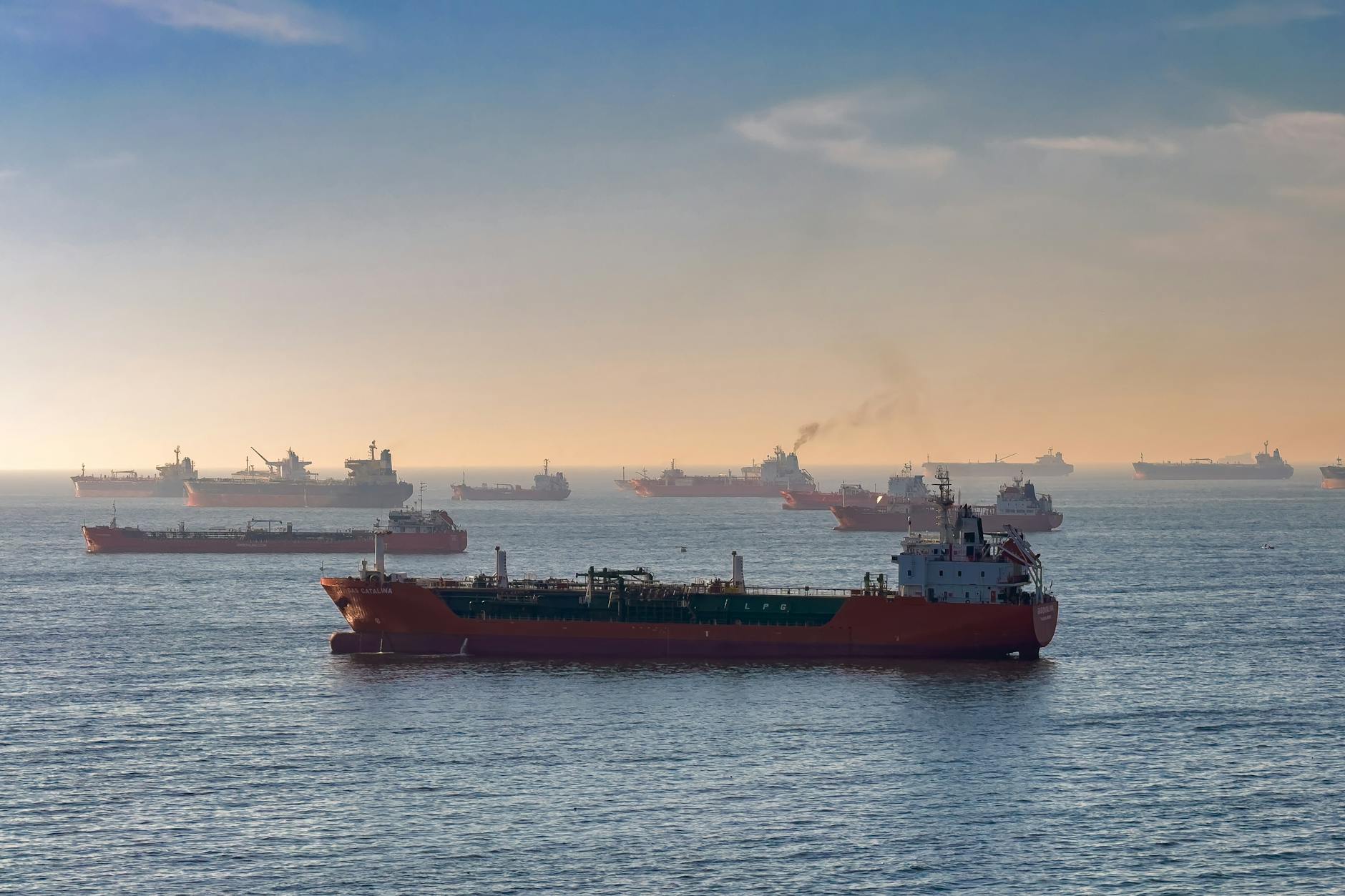
Here is the part that connects a Beirut press statement to a Delhi auto-rickshaw. The Iran war effectively throttled the Strait of Hormuz, the waterway through which roughly 20% of the world's oil and LNG travels. Iran has restricted and conditioned traffic since the conflict escalated, and vessel numbers have at times run at a small fraction of their pre-war levels.
Markets hate uncertainty more than they hate bad news. When the war first erupted, Brent crude jumped sharply, and after the strait's flow was choked, prices spiked past $120 a barrel at the peak. Each time a ceasefire looks close, prices ease; each time a faction like Hezbollah rejects a deal, the risk premium creeps back. A rejected truce is, in trader language, a reason to keep oil expensive.
That is why this story is filed under trending in India and not buried in the world section. Every dollar on the barrel is a tax on a country that imports the overwhelming majority of the crude it burns.
What it means for India directly
India is one of the world's largest energy importers, and the Hormuz route is central to its supply. The disruptions during this war have been blunt and measurable:
- The blockade hit an estimated 46-50% of India's crude oil imports that normally transit Hormuz.
- It threatened around 90% of India's LPG imports — the cooking gas in tens of millions of homes.
- Indian refiners pivoted hard toward Russian crude to plug the gap as Middle East supply turned unreliable.
That last point matters. India has spent two years balancing discounted Russian oil against Western pressure, and a Gulf supply shock pushes it even deeper into that dependence. Meanwhile the cost of any sustained price spike eventually filters down to petrol, diesel and LPG cylinders, squeezing household budgets and feeding inflation that the Reserve Bank watches nervously.
There is also the human dimension. Millions of Indians live and work across the Gulf, and any widening of the war raises the spectre of evacuations and disrupted remittances — money that flows back to families in Kerala, Uttar Pradesh, Bihar and beyond.
The Chabahar headache
The war has also bruised one of India's signature strategic bets: Chabahar Port in Iran. New Delhi spent the better part of a decade developing the port as a gateway to Afghanistan and Central Asia that bypasses Pakistan. The war has put that dream under intense strain.
A US sanctions waiver that shielded the project lapsed, the Union Budget reportedly allocated little to nothing for it, and India was said to be exploring a temporary handover of its stake in the local free-zone entity to an Iranian partner, with the understanding it could be reclaimed once sanctions ease. It is a vivid illustration of how a regional war tests India's prized doctrine of strategic autonomy — the ability to keep ties with rival powers all at once.
The fragile ceasefire that isn't quite a ceasefire
Complicating the picture is that a broader US-Iran ceasefire has technically existed since spring, later extended indefinitely. Yet on the ground it has behaved more like a managed pause than a genuine peace. Industry voices noted that the strait stayed effectively shut even after the announcement because Iran kept conditioning passage, with loaded tankers reportedly stacking up inside the Gulf waiting for clearance.
So the real story is one of layers. There is a shaky top-level ceasefire, a separate and unresolved Lebanon front where Hezbollah is now rejecting the truce, and a chokepoint that opens and closes at Tehran's discretion. Any one of those threads snapping could reignite the whole crisis.
What to watch next
For Indian readers trying to gauge where this goes, a few signposts are worth tracking:
- Hormuz traffic numbers — a steady return toward normal vessel counts would be the clearest sign of de-escalation, and the strongest relief for oil prices.
- The US-Iran nuclear track — reported sticking points around enriched uranium and the strait will decide whether the ceasefire hardens or collapses.
- The Lebanon front — whether Hezbollah's rejection hardens into renewed fighting or becomes a negotiating posture.
- India's crude basket — how far refiners lean on Russia, and whether the government taps strategic reserves to cushion any fresh spike.
The uncomfortable truth is that India has limited power to shape any of these outcomes. Its leverage is diplomatic and quiet — urging restraint, protecting its citizens, diversifying suppliers. What it can do is brace. A war it did not start, fought over a sea route it does not control, has the power to nudge the price of a roti and a cooking-gas refill. That is why Hezbollah rejecting a truce belongs at the top of India's news, not the bottom.