Photo: İrfan Simsar / Pexels
'Epic Fury Is Over': What Rubio's Iran War Claim Means for India
US Secretary of State Marco Rubio has drawn a sharp line under the most dangerous war of 2026, telling American lawmakers that Washington is no longer pounding Iran from the air because, in his words, Epic Fury is over. Speaking to the House Foreign Affairs Committee, Rubio insisted the offensive phase is finished and that the United States has met its military objectives — even as missiles continue to fly across the Gulf and the Strait of Hormuz stays choked.
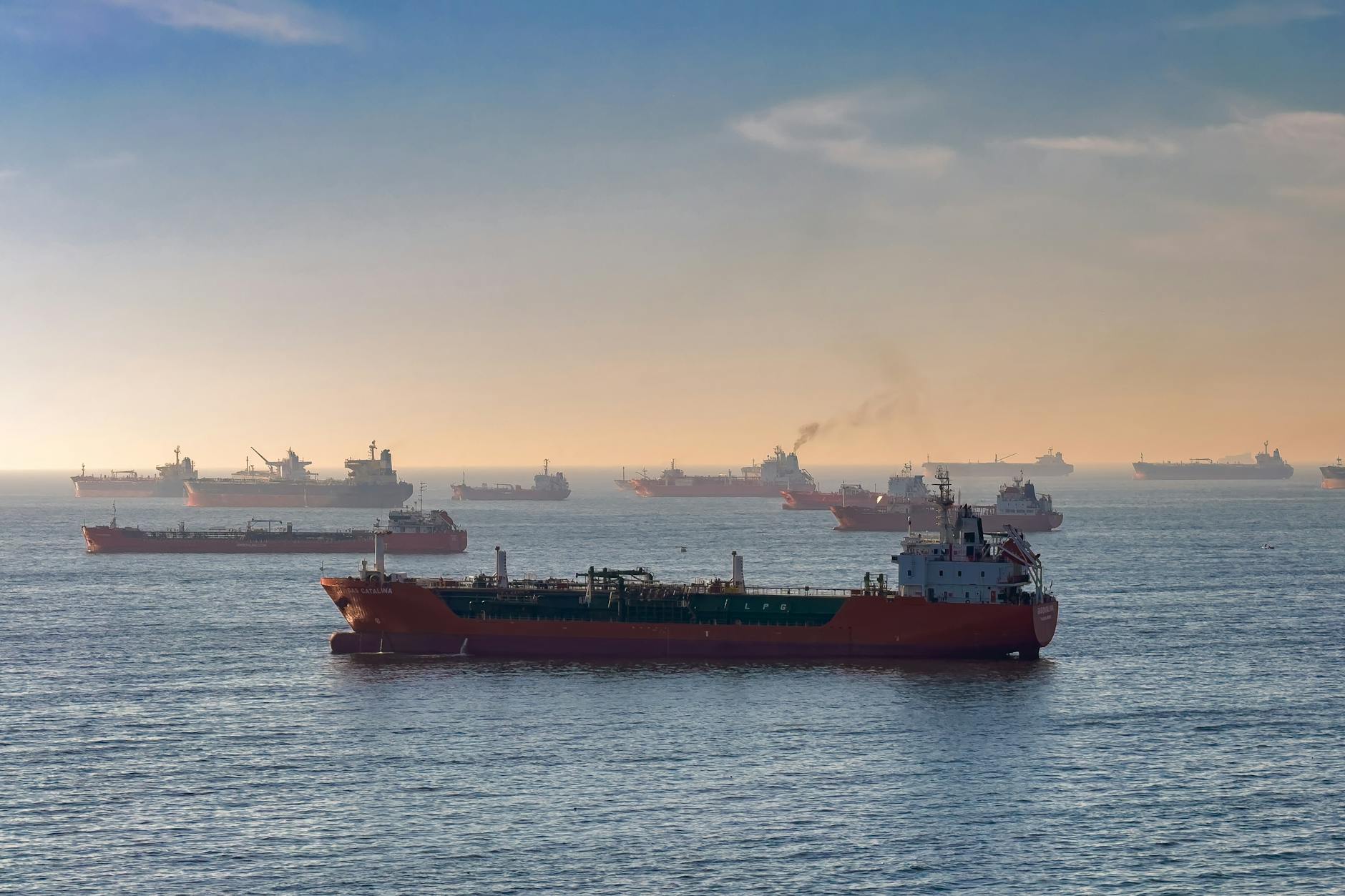
For Indian readers, this is not a distant foreign-policy footnote. The same waterway at the heart of Rubio's claim is the artery through which most of India's cooking gas and a large slice of its crude oil arrive. Whether the war is genuinely winding down or merely changing shape will be felt at petrol pumps, LPG counters and on the rupee.
What Rubio actually said
Rubio's message to Congress was blunt: the US is no longer conducting sustained strikes inside Iran to degrade its military, because the operation that began the war has formally ended. He described a pivot from offence to a defensive posture, with the stated priority now being to restore commercial shipping through the Strait of Hormuz rather than to keep hitting Iranian targets.
In his telling, this is a victory lap. The objectives — crippling Iran's nuclear and missile programmes — have, he argued, been achieved. The framing matters politically at home: by declaring the campaign "concluded," the administration sidesteps growing questions about war powers, congressional authorisation and how long American forces will stay locked into a Gulf fight.

What 'Epic Fury' was
Operation Epic Fury was the US code name for its part of a coordinated US–Israel air war on Iran. It began on 28 February 2026, running alongside Israel's parallel campaign, and Washington says it wrapped up around 5 May 2026 — a roughly two-month blitz.
The operation was extraordinary in scale and consequence. According to multiple reports, the opening salvo killed Iran's Supreme Leader, Ayatollah Ali Khamenei, decapitating the regime's command structure in its first hours. Iran answered with what observers described as a torrent of retaliatory missiles and drones aimed at Israel, US bases in the region and US-aligned Gulf states.
Here is the short version of how the campaign unfolded:
- Late February: The US and Israel launch simultaneous strikes; Khamenei is killed in the opening attack.
- March–April: Sustained bombing of Iranian nuclear, missile and command sites; heavy Iranian retaliation across the region.
- Early May: Washington declares Epic Fury complete, claiming its objectives are met.
- June: Rubio tells Congress the offensive phase is over and the focus is now Hormuz.
Why critics aren't buying 'the war is over'
The trouble with declaring victory is that the other side has to agree to stop. And it hasn't. Even as Rubio spoke, Iran struck Kuwait's airport, an attack that reportedly killed one person and wounded dozens more — a vivid reminder that the shooting has not stopped just because the bombing runs have.
Democratic lawmakers pushed back hard, arguing the conflict is still very much live and that calling it "over" is more about domestic politics than battlefield reality. There is a real distinction buried here: Rubio is saying the US has stopped its own sustained strikes, not that Iran has surrendered or that a ceasefire has been signed. A one-sided pause is not the same as peace, and history is littered with "mission accomplished" moments that aged badly.
There is also the matter of the Strait. If the US has truly pivoted to a "defensive" Hormuz mission, that implies an ongoing naval and air presence, the risk of fresh clashes with Iranian forces, and the possibility of being dragged back into open combat at any moment. "Defensive" can escalate just as fast as "offensive."
Why this hits India hard
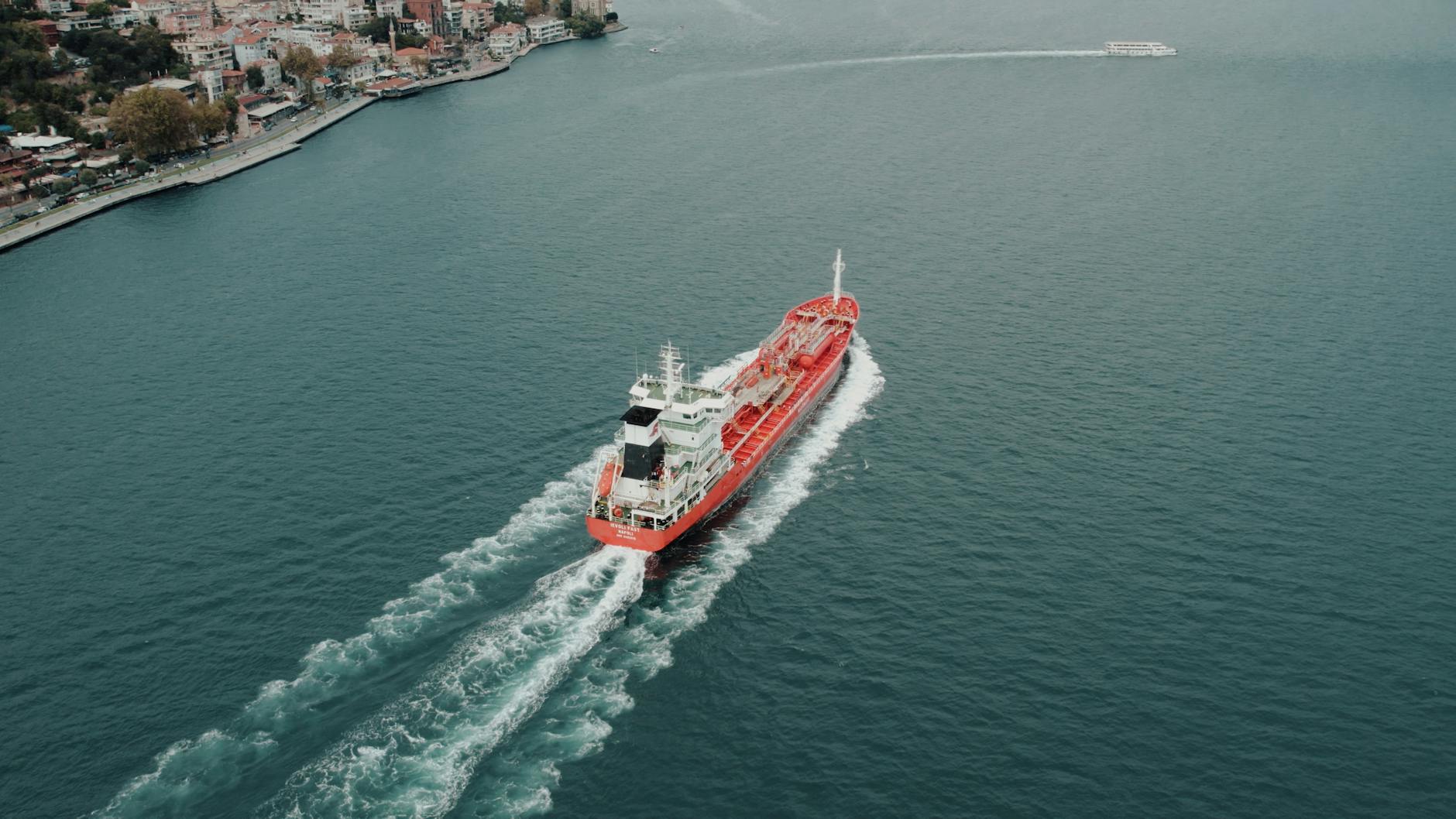
This is where the story comes home. The Strait of Hormuz is one of the world's most important energy chokepoints, and India is among the most exposed major economies on earth. In the first nine months of the financial year, the strait carried roughly 41% of India's crude oil imports, around 55% of its LNG, and a staggering 88% of its LPG — the gas that fills domestic cooking cylinders.
Since shipping through Hormuz was largely blocked in late February, the pain has been concrete. LPG was the first fuel to feel it, with reports of long queues, cylinder shortages across several cities, booking gaps stretching to weeks, and black-market prices climbing toward ₹4,000 to ₹5,000 per cylinder in the worst-hit areas. The International Energy Agency has characterised the broader shock as one of the largest oil-supply disruptions on record.
So when Rubio says the priority now is reopening the strait, that line should grab every Indian household's attention more than the talk of military victory. The single most important question for India is not whether Epic Fury is over — it is when ships start moving through Hormuz again.
What it means for prices and the rupee
If Washington's defensive push genuinely reopens Hormuz traffic, the relief could be relatively quick: easing cylinder shortages, cooling global crude prices and taking pressure off the rupee, which weakens whenever India's oil import bill balloons. Markets tend to rally on the mere expectation of a chokepoint reopening.
But if Iran keeps harassing shipping — or if a "defensive" US presence triggers fresh skirmishes — then the supply squeeze, fuel rationing fears and price spikes could drag on regardless of what anyone in Congress declares. India has been hedging through alternative suppliers, strategic reserves and diplomacy with Gulf partners, but there is no quick substitute for a fully open Hormuz.
A few things worth watching in the coming weeks:
- Tanker movement: Independent shipping data showing vessels actually transiting Hormuz again — the real test of Rubio's claim.
- Iranian retaliation: More attacks like the Kuwait airport strike would signal the war is far from settled.
- LPG availability at home: Whether booking gaps shrink and black-market premiums fade in Indian cities.
- Crude benchmarks: Sustained falls in oil prices would ease India's import bill and inflation outlook.
The bottom line
Rubio's "Epic Fury is over" is best read as a carefully worded political statement, not a guarantee of peace. The US says it has stopped its sustained strikes and won its war; Iran is still firing, and the Strait of Hormuz — the metric that matters most for Indian wallets — remains the unresolved heart of the crisis.
For India, the headline to track is not the end of a bombing campaign thousands of kilometres away. It is the quiet, unglamorous logistics question underneath it: when the tankers sail again, and how much that costs at the cylinder counter until they do.