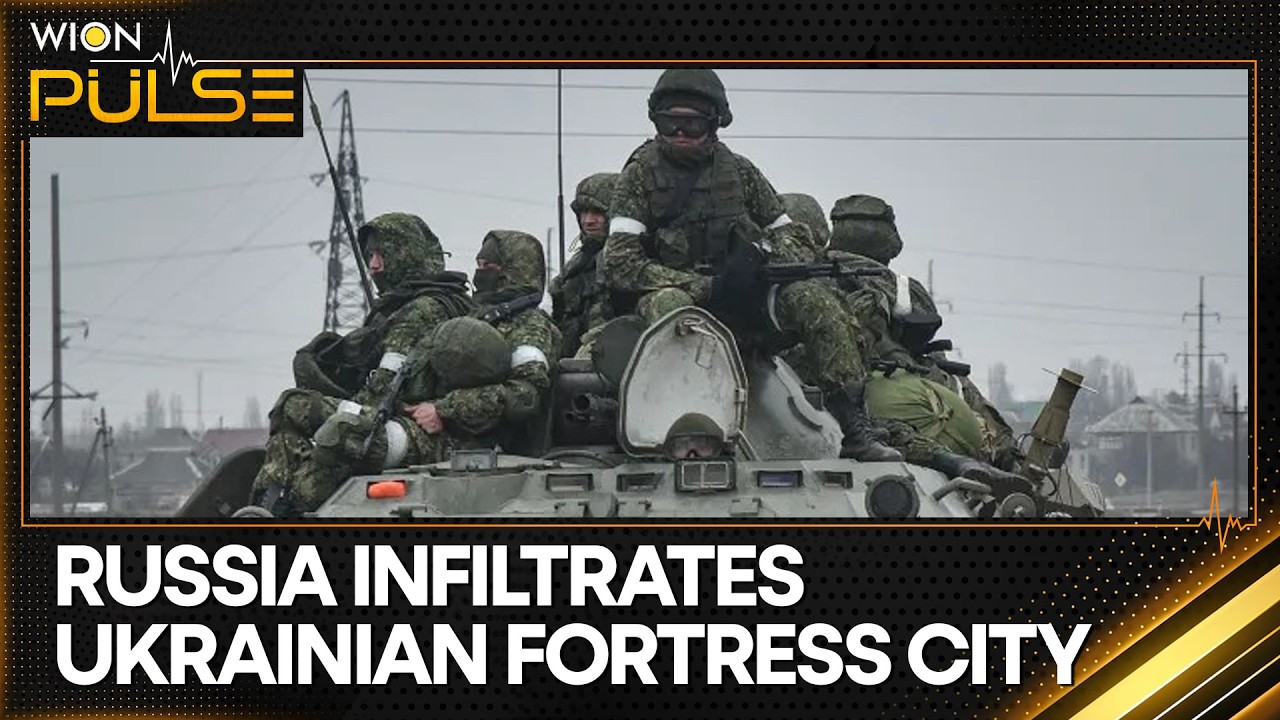
Photo: SpaceX / Pexels
Patriot Missiles Light Up Kuwait Sky as Iranian Strike Hits
A streak of fire arcs across a dark Gulf sky, splits into a blinding flash, and the ground camera shakes. The clip — showing Patriot missiles rising to meet an incoming Iranian strike over Kuwait — has ricocheted across Indian timelines, and for good reason. Behind the spectacle sits a brittle ceasefire, a wounded airport, and more than a million Indians who call Kuwait home.
Here is what actually happened, what the footage does and does not prove, and why this distant air-defence battle lands so close to India.
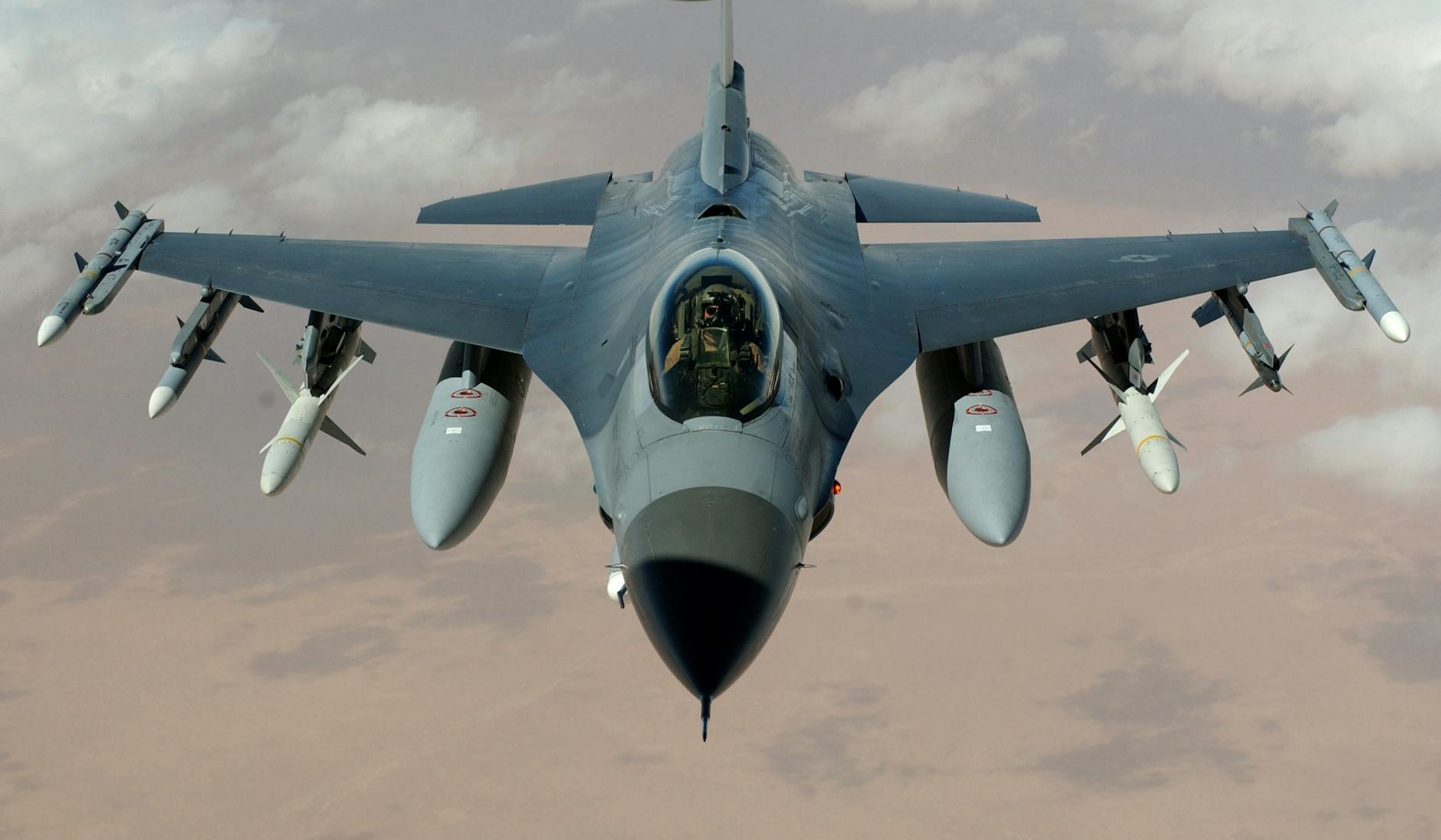
What the viral Patriot missiles video over Kuwait shows
In the early hours, Iran launched a salvo of ballistic missiles and drones aimed at American military installations spread across Kuwait and neighbouring Bahrain. US Central Command (CENTCOM) said it intercepted two ballistic missiles targeting US forces in Kuwait, adding that the projectiles were "immediately defeated" and no American personnel were harmed.
The video circulating online appears to capture a Patriot battery firing multiple interceptors in quick succession — the bright, climbing trails and mid-air detonations that define modern missile defence. Kuwait's military confirmed its air defences engaged "hostile missiles and drones," while reports indicated some Iranian missiles fell short or broke apart before reaching their targets.
It is a rare, vivid glimpse of a layered air-defence shield in action. But a clean interception in one frame does not mean the whole night went cleanly — as the airport made painfully clear.

The airport that paid the price
Despite the interceptions, Kuwait International Airport did not escape. Drones struck and heavily damaged a passenger terminal, with Kuwaiti officials reporting one person killed and dozens injured — figures cited as high as 63 wounded. The airport was briefly shut as crews assessed the destruction.
Then came the dispute over who was responsible. Iran's Islamic Revolutionary Guard Corps (IRGC) claimed the wreckage at the civilian hub was caused not by an Iranian weapon but by a technical malfunction in a US-made Patriot system — essentially arguing an interceptor went astray and fell on the terminal.
CENTCOM rejected that flatly, accusing Tehran of striking the civilian airport with drones in what it called a deliberate and unjustified attack. Kuwait's Defence Ministry described the episode as "heinous Iranian aggression" that caused significant damage. The two narratives cannot both be true, and that gap is now part of the information war.
Why the Patriot 'malfunction' claim matters
The IRGC's Patriot-error claim is not a throwaway line. Interceptors can and do fail, and falling debris from an engagement — whether the interceptor or fragments of the destroyed target — has caused real damage in past conflicts. By seeding doubt, Tehran shifts blame for a civilian death onto American hardware.
A few things are worth holding in mind:
- No air-defence shield is perfect. Even high-performing systems leak under saturation — when many missiles and drones arrive at once, some get through.
- Debris is a real hazard. Intercepting a missile over a populated area can rain wreckage below, which is why each engagement is a calculated risk.
- Attribution is contested by design. In a propaganda-heavy conflict, both sides shape the story; independent verification lags hours or days behind the viral clip.
For readers, the honest takeaway is that the footage is dramatic and real, but the cause of the airport deaths remains disputed between the parties.
A ceasefire that keeps cracking
This flare-up is so alarming because it was not supposed to happen. A US–Iran ceasefire, in place since around April 2026, has been repeatedly tested by tit-for-tat strikes. US forces said they hit Iranian command-and-control sites near the Strait of Hormuz; Iran responded by targeting American bases in the Gulf. Each round chips away at whatever truce remains.
The US military also accused Iran of a ceasefire violation after the Kuwait attack, while disputing Iranian claims that an American vessel was struck in the Sea of Oman. The pattern is familiar and dangerous: localised strikes, competing claims, and a fragile pause that neither side fully trusts.
What comes next hinges on whether both capitals treat this as a one-off provocation or a reason to fully reignite the war. The trajectory is not reassuring.
Why India is watching this closely
This is not a faraway story for India — it is a doorstep one. The Indian community in Kuwait has crossed one million people, making it the country's largest expatriate group, roughly 21% of Kuwait's population and about 30% of its workforce. A large share hails from Kerala and other southern states, with families back home depending on their remittances.
The Embassy of India in Kuwait says it is functioning normally and has urged Indian nationals to stay cautious and track official advisories. Key contacts worth saving:
- Embassy helpline: +965 65501946
- Email: community.kuwait@mea.gov.in
Across the wider Gulf, an estimated 8–9 million Indians live and work, and reports describe a significant exodus of expatriates as the conflict drags on. For lakhs of households, the safety of a relative in the Gulf is now a daily worry rather than an abstract headline.
The oil and economy angle India can't ignore
Beyond people, there is the pipeline of energy. Kuwait is an oil supplier to India, and the strikes sit right beside the Strait of Hormuz — the chokepoint through which a huge slice of the world's seaborne crude and LNG passes. With the strait disrupted earlier in 2026, Brent crude surged past $120 a barrel, and Indian refiners have warned of paying steep premiums for Gulf supplies.
For India, that translates into real-world pressure: costlier fuel, a heavier import bill, a strained rupee, and the risk of imported inflation creeping into everyday prices. Every escalation over Kuwait nudges those risks higher.
What to watch next
The immediate questions are whether the ceasefire holds, whether Kuwait's airport and airspace stay open, and whether the Indian government scales up contingency planning for its diaspora. Watch for fresh embassy advisories, any movement on evacuation readiness, and the daily direction of oil prices.
The viral video will fade from feeds within days. The stakes behind it — a shaky truce, a vulnerable diaspora, and an oil lifeline running through a war zone — will not. For India, this Gulf flashpoint is less a spectacle to scroll past than a situation to keep one eye firmly on.