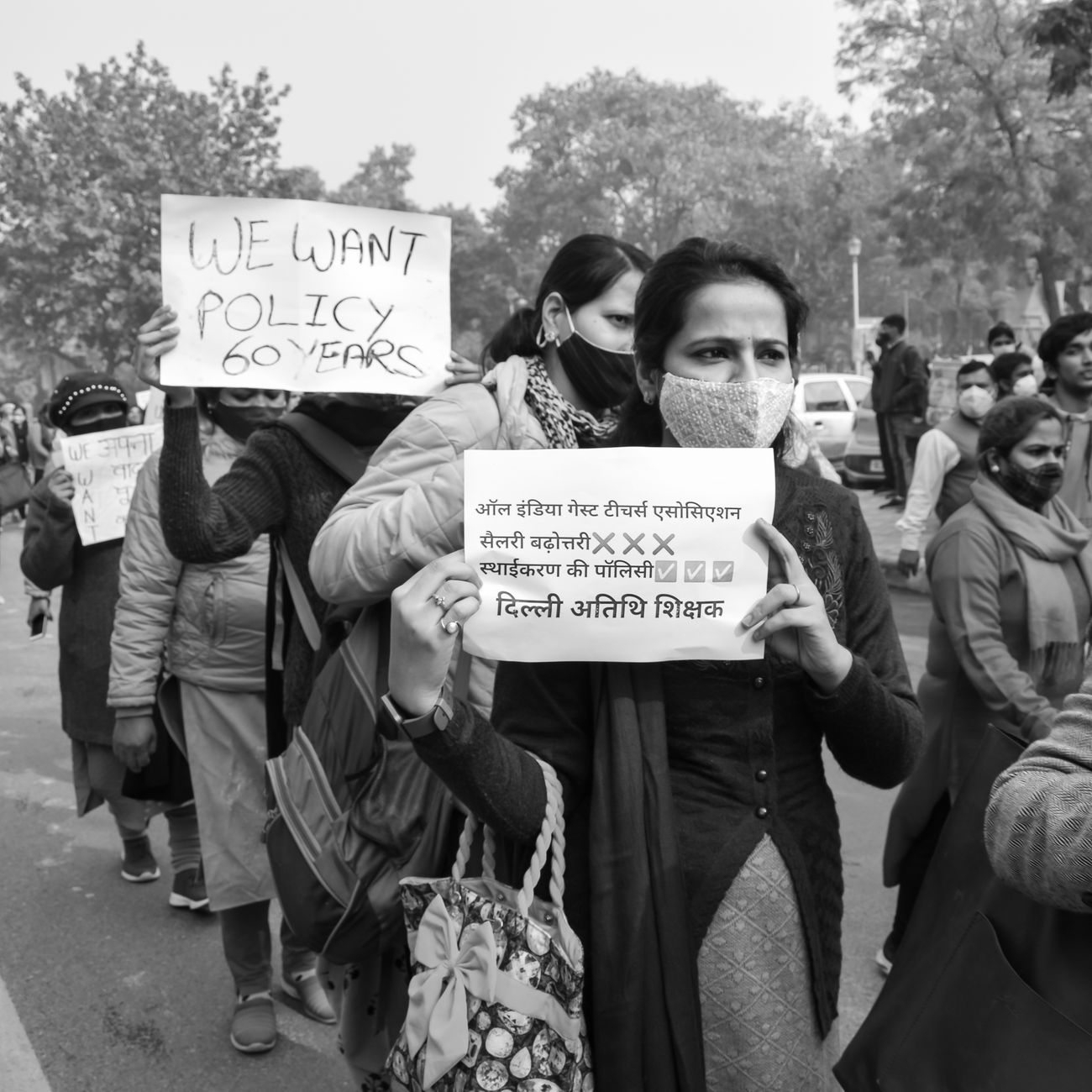
Photo: Rahul Sapra / Pexels
Sonam Wangchuk Sets June 6 Ultimatum: Resign or I Join CJP Protest
Education reformer and climate activist Sonam Wangchuk has thrown his weight behind one of the year's most unusual protest movements, declaring that he will join the Cockroach Janta Party (CJP) demonstration at Delhi's Jantar Mantar on June 6 unless Union Education Minister Dharmendra Pradhan resigns first. The condition is blunt: step down by June 5, or he marches the next day.
Wangchuk framed the issue as one of accountability, not politics. He argued that alleged irregularities in national examinations are a grave matter because they touch the futures of lakhs of students, and said that in a self-respecting democracy an education minister should resign when such failures keep recurring. Coming from a figure best known for rebuilding Ladakh's schools, the intervention has given a satirical, internet-born movement a sudden dose of mainstream credibility.
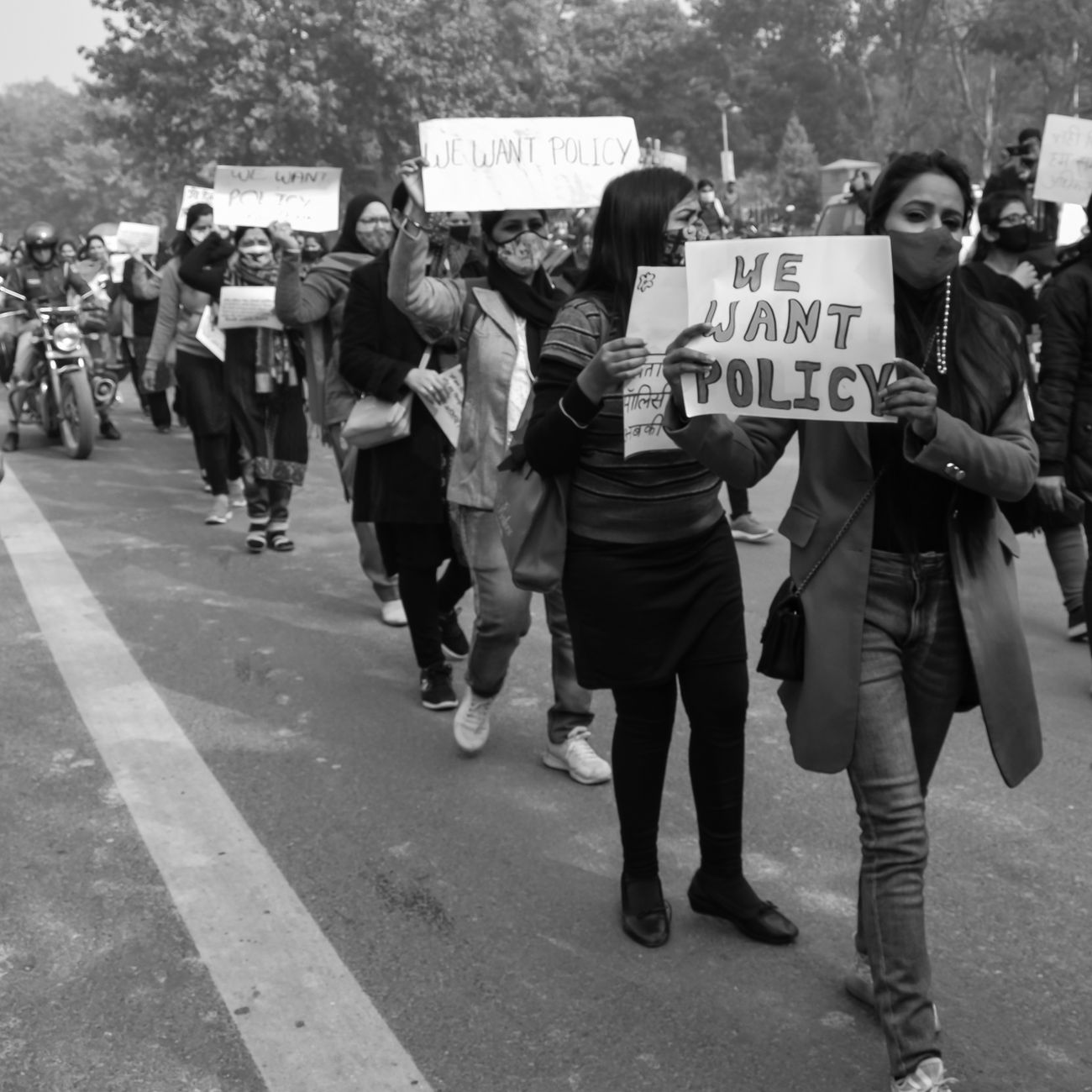
Why Sonam Wangchuk's voice carries weight here
Wangchuk is not a career protester chasing a headline. He founded the Students' Educational and Cultural Movement of Ladakh (SECMOL), pioneered solar-heated school buildings and ice stupas, and was the real-life inspiration behind the idealistic engineer in the film 3 Idiots. When he speaks about broken systems in Indian education, it lands differently than a politician's soundbite.
He is also fresh from his own confrontation with the state. Wangchuk was released in March 2026 after months in custody, when the Centre revoked action against him under the National Security Act to ease talks over Ladakh's demands for statehood and Sixth Schedule protections. That backstory frames his June 6 ultimatum: a man who has just emerged from detention choosing, almost immediately, to stand with young protesters demanding answers on exams.
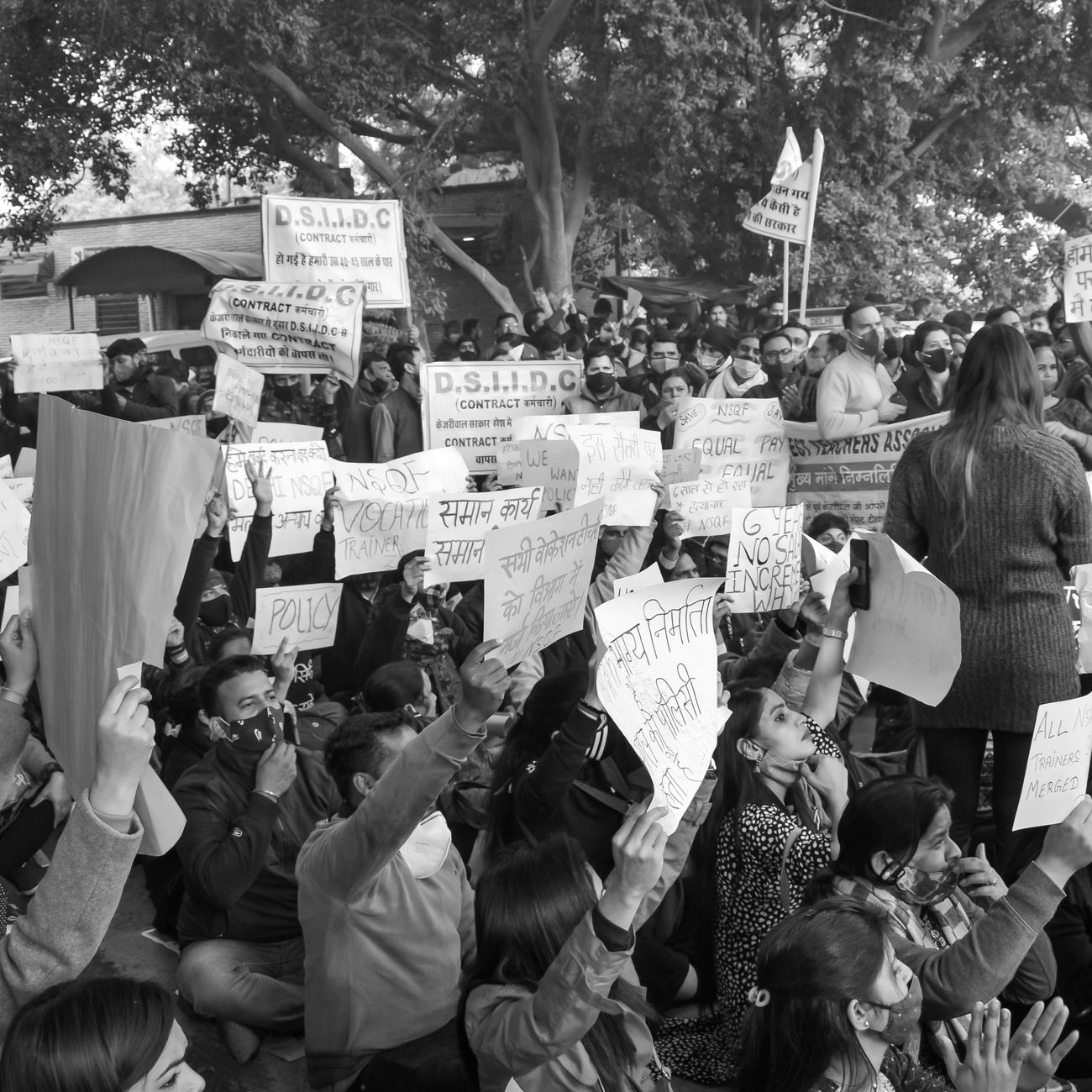
What exactly is the Cockroach Janta Party?
Despite the name, the CJP is not a registered political party contesting elections. It is a satirical youth movement founded on May 16, 2026 by Abhijeet Dipke, a political communications strategist who reportedly once worked with the Aam Aadmi Party. The provocative branding is the whole point — it weaponises an insult.
The spark was a remark attributed to Chief Justice of India Surya Kant on May 15, 2026, in which unemployed youth were compared to "cockroaches" and described as parasites of society. Rather than recoil, a generation of frustrated students and jobseekers adopted the slur as a badge. Within days, the movement claimed explosive online growth, with reports suggesting its social media following crossed tens of millions and briefly outpaced established political accounts.
The movement says its reach has not gone unnoticed by authorities. According to media reports, its original account on X was withheld on "national security" grounds, and Dipke has alleged hacking attempts and threats — claims that, if accurate, only deepened the perception of a David-versus-Goliath fight.
The core demand: a minister's resignation over exam leaks
Strip away the theatrics and the CJP's central grievance is one many Indian families share: examination paper leaks and the chaos around high-stakes tests. The most recent flashpoint, the party says, is the NEET UG 2026 medical entrance exam, but the anger spans years of disrupted CBSE, CUET and recruitment examinations.
The party's case, as stated publicly, rests on a few sharp points:
- A petition demanding the minister's resignation has reportedly gathered around 8 lakh signatures.
- Despite repeated controversies, no senior official has faced punishment proportionate to the scale of the disruption.
- The transfer of two secretaries to another ministry, the CJP argues, is mere "eyewash" rather than genuine accountability.
The demand is therefore symbolic and specific at once: the resignation of Dharmendra Pradhan is meant to establish a principle — that someone at the top owns the failure when an exam taken by millions is compromised.
A movement with a wider manifesto
The CJP's grievances stretch well beyond exams, which is part of why it has resonated across causes. Its publicly stated agenda reportedly includes a cluster of anti-establishment demands — among them barring retired Chief Justices from being nominated to the Rajya Sabha, far stronger penalties for politicians who switch parties, and a push for greater women's representation in Parliament.
Whether one agrees with the list or not, the breadth explains the unlikely coalition forming around June 6. Reports indicate the protest has drawn sympathy from figures as varied as veteran anti-corruption campaigner Anna Hazare, filmmaker Anurag Kashyap, comedian Kunal Kamra, and several Opposition voices. Wangchuk's endorsement now sits at the centre of that gathering momentum.
How June 6 is meant to unfold
The organisers have laid out a deliberately orderly, peaceful plan rather than a flash mob. Dipke has said he intends to return to India on June 6 specifically to lead the demonstration, inviting supporters to meet him and proceed together.
The sequence the party has described runs roughly like this:
- Supporters gather to receive the founder on his arrival.
- The group approaches the local police station near Parliament Street to seek formal permission.
- With clearance, the protest assembles at Jantar Mantar, Delhi's traditional venue for sanctioned demonstrations.
The emphasis on permissions and non-violence is strategic. A movement already facing scrutiny knows that any disorder would hand critics an easy line of attack, so the optics of lawful, peaceful assembly are being guarded carefully.
Why this matters beyond one protest
The story is bigger than a single day at Jantar Mantar. It captures a real and growing anxiety about the credibility of India's examination system, the gateway through which a vast young population competes for scarce college seats and government jobs. When that gateway is seen as leaky or rigged, the resulting anger is not abstract — it is deeply personal for families who have sacrificed for years of coaching.
It also marks a new template for dissent: a leaderless-feeling, meme-fluent, internet-native movement that converts mockery into mobilisation. By reclaiming an insult and turning it into an identity, the CJP has shown how quickly online frustration can crystallise into a street demand with named targets.
The government, for its part, has not conceded the central demand. Officials have pointed to administrative reshuffles, while the protesters dismiss those steps as cosmetic — leaving the two sides far apart heading into the weekend.
What to watch next
The immediate question is binary: does the minister resign by June 5, or does June 6 go ahead with Wangchuk on stage? His participation would lend the protest a gravitas that pure online virality cannot, and could draw a larger, more diverse crowd.
Keep an eye on three things in the coming days. First, whether police permission is granted cleanly or contested. Second, how many of the movement's high-profile sympathisers actually show up versus merely tweet support. And third, whether the government offers anything beyond transfers — a formal inquiry, accountability for officials, or reforms to secure future exams.
For now, the line in the sand is drawn. Sonam Wangchuk has staked his considerable moral authority on a simple if-then. Whether June 6 becomes a footnote or a turning point depends on what happens in the 48 hours before it.