Why Spider-Man: Brand New Day Got Its Own Hindi Trailer
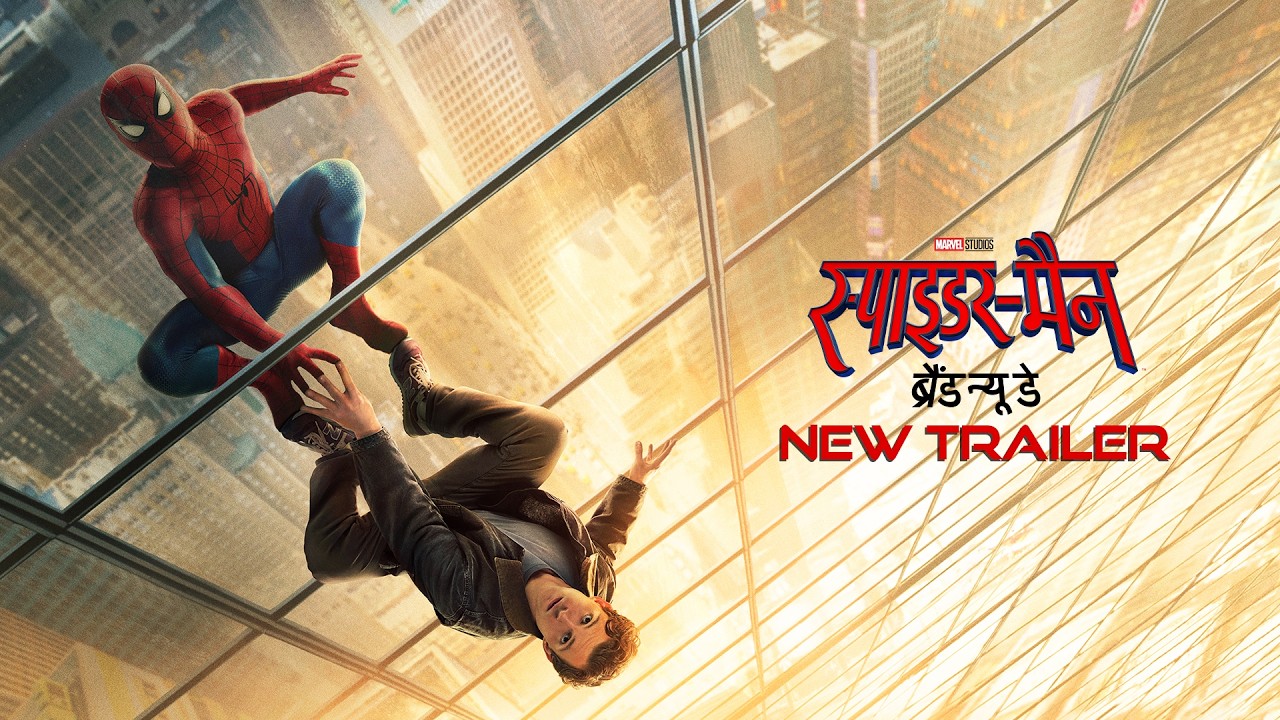
A two-minute clip with Hindi voiceover has done what a year of casting rumours could not: it put Spider-Man: Brand New Day at the top of YouTube's trending charts in India. The official Hindi trailer, stamped with the line that the film arrives "exclusively in cinemas July 30," racked up views and comments at a pace that surprised even seasoned trade watchers. For a film that is still weeks from release, the reaction says as much about how Hollywood now courts Indian audiences as it does about the web-slinger himself.
This is Tom Holland's fourth solo outing as Peter Parker, and the first since the multiverse-spanning chaos of the last film. Director Destin Daniel Cretton, best known to Marvel fans for steering Shang-Chi, takes over the chair. The studio has kept plot details deliberately thin, which only sharpened the appetite for any official footage. When that footage landed in Hindi, the response was immediate.
What the trailer actually signals
The trailer is light on spoilers and heavy on tone. It leans into a grounded, street-level version of the character rather than cosmic spectacle, which fans have read as a deliberate reset after years of escalating stakes. The title itself nods to a well-known comic arc that wiped Peter Parker's slate clean and sent him back to a more ordinary, struggling life. Whether the film follows that storyline closely or simply borrows its spirit is exactly the kind of question now filling comment sections.
A few things are clear from the official material and the studio's public messaging:
- Tom Holland returns in the lead, anchoring continuity with the previous trilogy.
- Destin Daniel Cretton directs, marking a change of creative hands.
- The India release is dated to July 30, ahead of the broader international window.
- The marketing stresses a cinema-only debut, with no mention of streaming.
Reports of returning faces and surprise cameos have circulated for months, but much of that remains unconfirmed by the studio. We are not treating fan-site casting claims as fact here. What is confirmed is the lead, the director, the title and the release framing.
Why a separate Hindi trailer is the real story
The more interesting development is not the footage but its packaging. A decade ago, a Hollywood tentpole would push one English trailer worldwide and let local distributors translate the marketing. Today the biggest studios cut dedicated Hindi, Tamil and Telugu trailers, often with localised title cards, voice casting and release dates baked in.
That shift is driven by hard numbers. In India, dubbed versions frequently outsell the original English cut for franchise films, especially outside the big metros. Single screens and smaller-town multiplexes lean heavily on Hindi and South-language prints. A trailer in the audience's first language is not a courtesy; it is a sales tool aimed at the screens that move the most tickets.
Releasing the Hindi cut as its own asset also feeds the algorithm. YouTube's trending system rewards a concentrated burst of views, and a separate India-facing upload lets the studio capture that surge in the local market rather than diluting it across a single global video. The trending placement then becomes its own advertisement.
India's Spider-Man habit
Few Hollywood characters travel to India as easily as Spider-Man. The friendly-neighbourhood framing, the everyman struggles, the sense of duty pulling against personal life — these are themes that map neatly onto Indian storytelling instincts. The character has also had genuine local roots: an Indian comic reimagining placed Peter Parker as a Mumbai teenager named Pavitr Prabhakar, a version that later resurfaced in the animated Spider-Verse films to loud cheers in Indian theatres.
The last live-action entry was one of the highest-grossing Hollywood releases ever seen in the country, powered by fan screenings, midnight shows and a social-media frenzy. That memory is fresh, and it explains why a single Hindi trailer can dominate timelines. The audience is primed, organised and vocal, and it treats each new Spider-Man release as an event rather than just another superhero film.
The 'exclusively in cinemas' message
The phrasing on the trailer is doing quiet work. By stressing a cinema-only debut, the studio is reassuring exhibitors and signalling to fans that the film will not appear on a streaming service within days of release. The theatrical window for major titles has shrunk over the years, and a public commitment to cinemas first is meant to push the must-watch-on-the-big-screen instinct.
For Indian audiences weighing whether to book a ticket or wait, that message matters. Premium formats — large-screen and high-frame-rate presentations — tend to drive the early box office for these films, and they only work in a packed hall. A theatre-first stance protects that opening surge.
The reaction online
The comment sections have settled into familiar lanes. There is excitement at hearing the character in Hindi, debate over the voice casting, and the usual frame-by-frame dissection hunting for hidden details. A recurring thread is nostalgia: viewers comparing the new tone to earlier films and arguing about which era of the character they prefer.
Not all of it is uncritical. Some fans have voiced fatigue with superhero output in general and want to see whether this film offers something fresher than spectacle. Others are sceptical of the heavy rumour mill, pointing out that months of unverified leaks can inflate expectations to levels no film can meet. That tension — high anticipation shadowed by caution — is itself part of why the trailer is generating so much conversation.
What happens next
Expect the marketing to escalate steadily toward the July 30 date. Studios typically follow a teaser-then-trailer-then-final-push rhythm, so more footage, character posters and possibly a second trailer are likely in the coming weeks. Advance bookings will be the first real test of whether online buzz converts into ticket sales, and franchise films of this size usually open their booking windows a few days ahead of release.
The bigger picture is what this rollout reveals about the market. India is no longer an afterthought in the global release calendar; it gets its own trailers, its own dates and its own marketing beats. A viral Hindi clip for a tentpole release is now a planned, engineered moment rather than a happy accident. For audiences, it means the next big screen event is already being sold to them in their own language. For the studio, the early trending numbers are exactly the signal it was hoping to manufacture.
Whether the film lives up to the noise will be decided in late July. For now, a single trailer has reminded everyone that few characters can light up Indian screens — and feeds — quite like this one.