Photo: ready made / Pexels
USB-C Is Law in India, So Why Won't Every Charger Charge Fast?
From 2025, every new smartphone and tablet sold in India must carry a USB Type-C port, with laptops following by the end of 2026. The Bureau of Indian Standards pushed this through to kill the drawer full of mismatched chargers and cut e-waste, mirroring the European Union's move. It is a genuinely good rule. But there is a catch that trips up almost everyone: a common port standardises the shape of the plug, not the speed of the charge flowing through it. Plug your phone into a friend's identical-looking USB-C brick and you may still watch it crawl.
The reason sits in a layer most buyers never see. Fast charging is a negotiation between the charger, the cable and the phone, and there are several different languages they can speak. Get the language wrong and the two devices fall back to a slow, safe baseline. Here is how to make sense of it before you spend on your next charger.
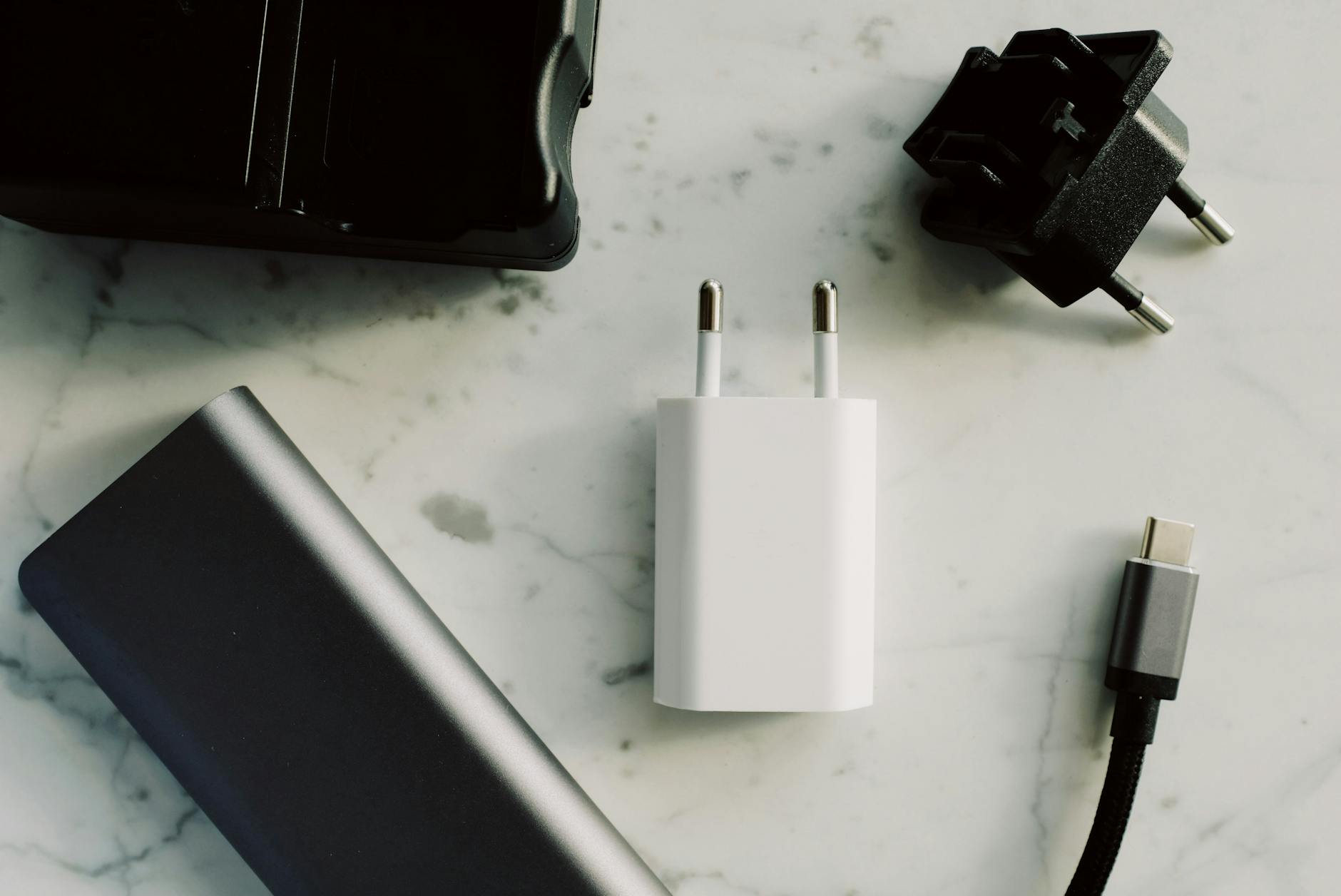
A port is a handshake, not a promise
When you connect a phone, the two ends talk. The phone asks for a voltage and current it can handle, the charger says what it can supply, and they settle on the highest speed both agree on. USB-C is just the doorway through which this conversation happens. The conversation itself runs on a separate set of rules called charging protocols.
If both devices speak the same protocol, you get full speed. If they don't, they retreat to a universal fallback, often a sluggish 5V at around 2.4A, which is roughly 12W. That is why a 100W-capable phone can sit on an unfamiliar 65W charger and barely move. The hardware is willing; the handshake failed.
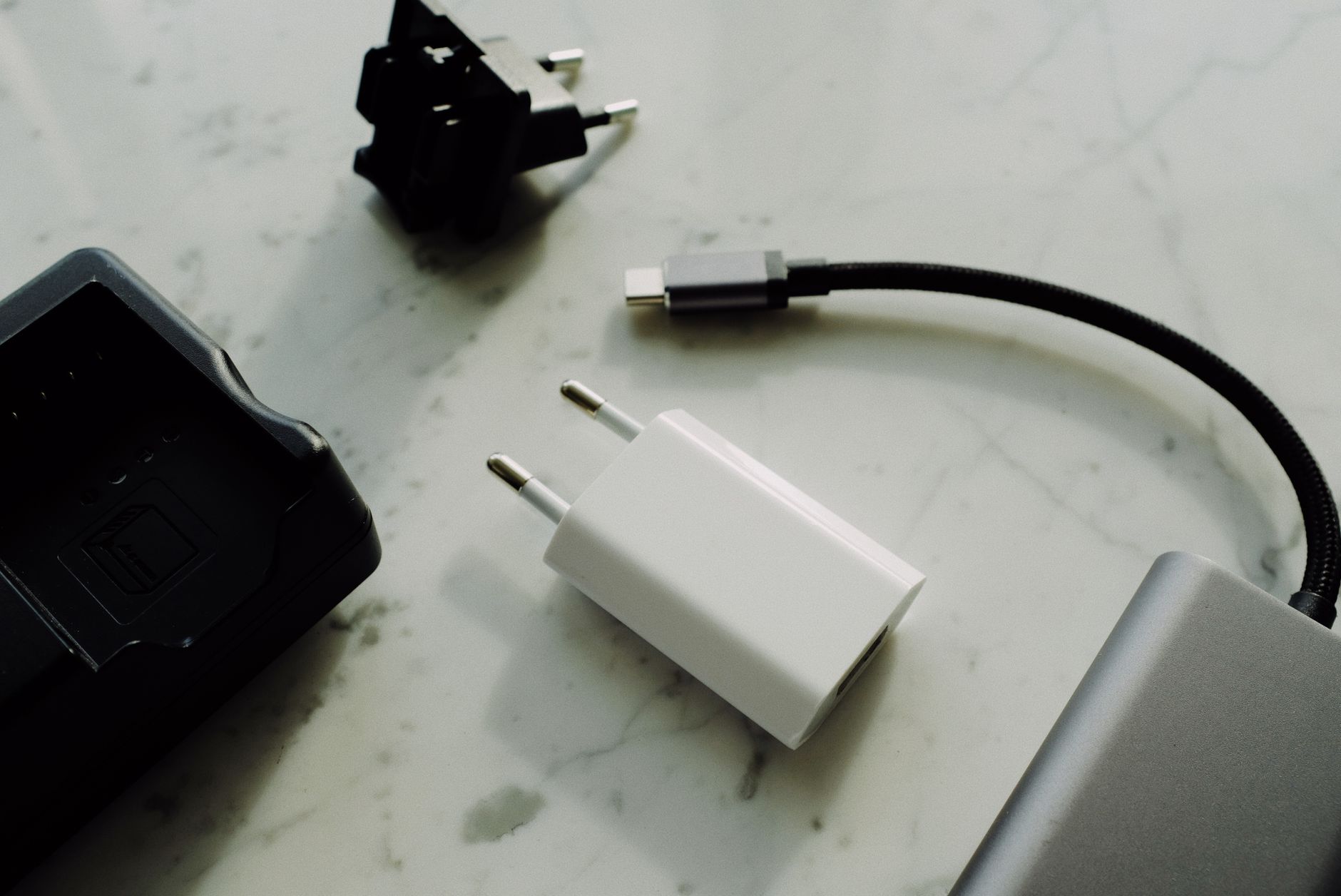
USB PD and PPS: the standard worth caring about
The one open standard that ties this whole mess together is USB Power Delivery, or USB PD. It is built into USB-C itself and supported across Apple, Samsung, Google and most laptops. A charger that genuinely supports USB PD 3.0 will fast-charge a very wide range of devices without any brand lock.
The piece that matters most now is an add-on called PPS, short for Programmable Power Supply. Older fast charging jumped between fixed voltage steps like 5V, 9V and 12V. PPS lets the charger slide the voltage in fine increments, around 20 millivolts at a time, so it can feed the battery exactly what it wants at each moment. That means less heat, gentler wear and faster real-world charging.
This is not a niche feature. Samsung's Super Fast Charging at 25W and 45W runs on PPS. Many recent phones quietly need PPS to hit their advertised numbers. A cheap charger that lists a big wattage but skips PPS will leave those phones charging slower than the box claims.
The proprietary speed trap
Then there are the brand-only systems. These are where the eye-catching figures live, the 80W, 120W and 240W claims you see in launch ads. They include:
- OPPO and OnePlus SuperVOOC (the old Warp and Dash charging grew into this)
- Xiaomi HyperCharge
- vivo and iQOO FlashCharge
- realme SuperVOOC
These push their own voltage and current tricks that only work when the phone, its bundled adapter and its bundled cable all match. Pair a 100W OnePlus with anything other than its own SuperVOOC brick and it usually drops to ordinary USB PD speeds, often a fraction of the headline figure. The common USB-C rule does nothing to change this. The plug is identical; the secret handshake is not.
So if you bought the phone for its blistering charge time, keep the adapter it came with. The single-charger dream applies to convenience and emergencies, not to squeezing out the absolute fastest charge.
Watts are just volts times amps
A little school physics demystifies the marketing. Power in watts equals voltage multiplied by current, written as W = V × A. A 65W charger does not pour 65W into everything. It offers a menu of combinations, say 5V/3A, 9V/3A, 15V/3A, 20V/3.25A, and the phone picks one.
This is why two 65W chargers can behave differently. What counts is whether the specific volt-amp combination your device wants is on that menu, and whether PPS is included. When you read a charger's fine print, look past the big number and check the listed PD profiles and for the letters PPS.
It is also why a single good charger can run a phone and a laptop. A 65W GaN unit can give a laptop its 20V and a phone its 9V from the same port, just not always at the same time when you use multiple ports.
The cable is the silent bottleneck
Cables cheat too. A plain USB-C cable is usually rated for 3A. Multiply by even 20V and you cap out near 60W. To go higher, you need an e-marked cable, which carries a tiny chip that tells the charger it can safely handle 5A. Without it, the system refuses to push more current and your 100W charge politely throttles.
This is the most common reason a correct charger still charges slowly. People keep a high-watt brick and pair it with whatever thin cable was lying around. For anything above 60W, treat the cable as part of the charger, not an afterthought, and use one rated for the speed you paid for.
What to actually buy
For most people, the sensible setup is one capable universal charger plus the original adapter for your fastest phone. When you shop, lean on these checks:
- Pick a GaN charger, which runs cooler and smaller than older silicon bricks at the same wattage.
- Confirm it lists USB PD 3.0 and PPS, not just a wattage figure.
- For phone-plus-laptop duty, 65W is the practical sweet spot; pick higher only if you own a power-hungry laptop.
- For anything over 60W, buy an e-marked 5A cable and stop reusing random cables.
- Keep your phone's bundled proprietary adapter for when you truly need its top speed.
Why the rule still helps
None of this undercuts the common charger mandate. Standardising on USB-C means the same cable now wakes up almost any phone, tablet and, before long, laptop. It ends the era of hunting for one specific connector, and it should shrink the pile of dead chargers India throws out each year.
Just hold a realistic expectation. The law fixed the plug, which was the loudest annoyance. The speed still depends on a quieter conversation between charger, cable and device. Learn to read that, and you will never again wonder why the same port charges one phone in 30 minutes and another overnight.