Photo: Stanley Ng / Pexels
USB-C Is Now Mandatory in India: The Fast-Charging Catch
If you bought a phone in India this year, look at its charging port. By law, it now has to be USB-C. The days of fishing through a drawer for the one cable that fits your particular handset are officially numbered. India has joined the European Union in mandating a single charging standard — but here is the part nobody tells you at the store counter: a common port does not mean a common charging speed. You can plug any cable in, but you may still be stuck with the brick in the box if you want your phone to charge fast.
This is the gap between what the rule promises and what it actually delivers. Understanding it can save you from buying the wrong charger, and from believing your phone is "slow" when it is really just mismatched.
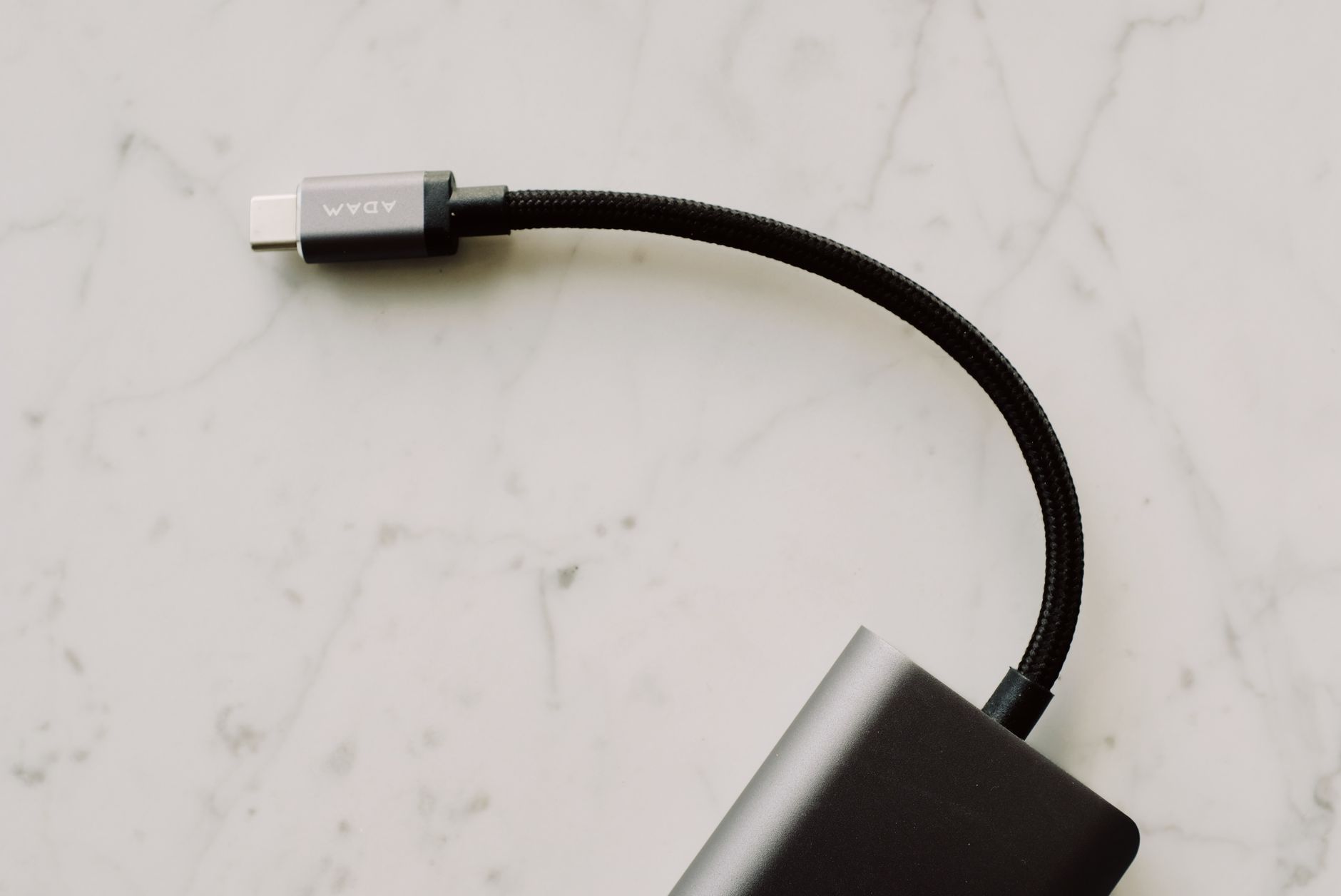
What the USB-C mandate actually says
The USB-C mandate in India was driven by the Ministry of Electronics and IT alongside the Consumer Affairs Ministry, with the Bureau of Indian Standards (BIS) publishing quality norms for the Type-C port. The rollout is staggered: smartphones and tablets sold in India must carry a USB-C port first, and laptops must follow by the end of 2026.
The stated goals are simple and genuinely good. One universal port means fewer cables made, fewer chargers thrown away, and less of the roughly mountainous pile of e-waste India generates every year. It also ends the absurdity of owning four devices and four incompatible cables.
Crucially, the rule covers the connector — the physical oval port and plug. It standardises shape, not behaviour. That distinction is the whole story.

The catch: one port, many charging languages
Think of USB-C as a common doorway. Every charger and every phone can now walk through it. But once inside, they still need to speak the same language to move power quickly. That language is the charging protocol, and this is where the harmony breaks down.
Most premium Indian-market phones ship with proprietary fast charging — branded tech like SuperVOOC, HyperCharge, or similar names you'll see on the box advertising 67W, 100W, even 120W. These speeds are tuned to work only with the bundled charger and cable. Plug the same phone into a random third-party USB-C brick and it will charge — but often it drops to a slow, safe trickle of around 18W to 27W.
So a buyer who reads "120W fast charging" and then buys a cheap aftermarket charger to keep at the office can be genuinely puzzled when the phone crawls. Nothing is broken. The port matched; the protocol didn't.
USB-PD and PPS: the words to look for
There is an open, universal fast-charging standard that does work across brands, and you should learn its name. It is USB Power Delivery (USB-PD), and its smarter extension is PPS (Programmable Power Supply).
When both your phone and your charger support USB-PD — and ideally PPS — they negotiate voltage and current dynamically, and you get genuinely fast charging from any compliant charger, regardless of brand. This is exactly why the EU mandate went a step further than India's and pushed devices toward USB-PD support, so the "one charger" promise actually holds up.
India's rule, as it stands, focuses on the port. So the practical advice is:
- Check the spec sheet for the words "USB Power Delivery" or "USB-PD" and "PPS" before you buy a phone or a charger.
- If your phone lists a proprietary standard only, keep the bundled charger for top speed.
- A good multi-protocol charger that supports PD, PPS and the common proprietary modes is the closest thing to a true universal brick.
What is and isn't covered
The mandate is narrower than many assume. It applies to new smartphones, tablets and (from end-2026) laptops. Several categories are deliberately left out, mostly because they are too small to fit a full USB-C port:
- Smartwatches and fitness bands, which typically use magnetic pin chargers.
- True wireless earbuds, though most charging cases already use USB-C voluntarily.
- Basic feature phones, the inexpensive keypad handsets still sold in huge numbers.
Also worth stressing: this is about new devices sold going forward. If you own an older phone with a micro-USB or Lightning port, it stays legal and usable. Nothing in your existing gadget drawer becomes contraband overnight.
Why this is a bigger deal than it looks
The quiet revolution here is the slow death of the in-box charger as a profit lever. For years, brands used proprietary chargers to lock you into their ecosystem and, in some cases, to sell you replacements at a premium. A universal port chips away at that.
There is also a sustainability dividend that compounds over time. Every cable not manufactured, every brick not bundled, is copper, plastic and packaging saved. India has long had a serious e-waste problem with informal, hazardous recycling; standardisation is one of the rare interventions that reduces waste at the source rather than after the fact.
And it pushes the market toward honesty. As more phones support open USB-PD, the gap between "works" and "works fast" narrows, and the bundled-charger trick loses its grip. The mandate is the floor; consumer pressure and the EU's stricter template are likely to lift the ceiling.
How to charge smart from here on
You don't need to overthink this, but a few habits will pay off:
- Buy one good 65W USB-PD charger with PPS. It will fast-charge most phones, run a tablet, and even top up many thin-and-light laptops. One brick, many devices — finally.
- Keep your phone's original cable. Many high-wattage proprietary modes need the specific bundled cable, not just any USB-C lead, to hit peak speed.
- Don't trust the wattage number alone. A 100W phone on a 20W generic charger is a 20W phone. Match the protocol, not just the port.
- Mind the cable rating. For fast charging and data, a cheap, unmarked cable can bottleneck or even overheat; look for ones rated for the power you need.
The USB-C mandate is one of the more consumer-friendly tech rules India has passed in years. It ends a genuinely annoying problem and trims a real pile of waste. Just go in clear-eyed: the law gave you one cable that fits everything. Whether that cable charges everything quickly is still, for now, up to you.