Used Luxury Cars on YouTube: Why India Can't Stop Watching
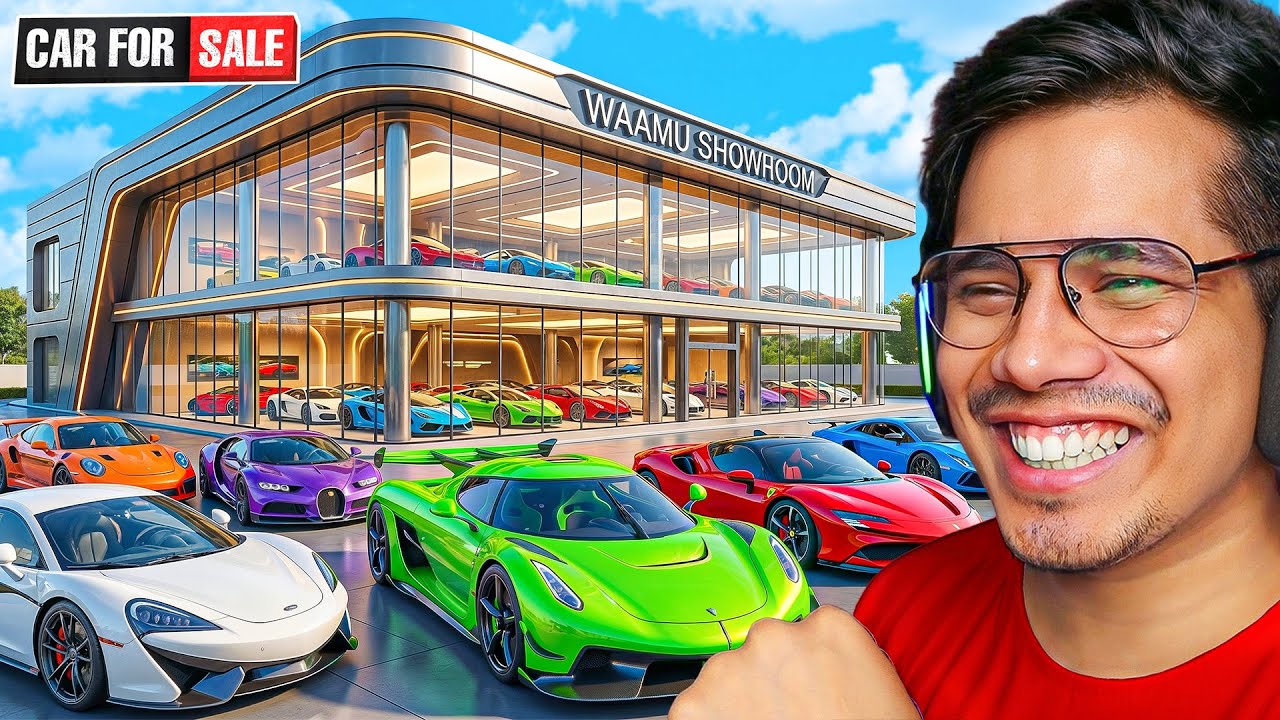
A YouTube video built around a simple idea — walking back into a sprawling used luxury cars lot two years later to see what is now parked, priced and waiting for a buyer — has climbed the trending charts, and it is a neat window into one of the internet's most reliable obsessions. The clip, framed as a return visit to a high-end 'car for sale world,' does not need a script or a stunt. It just opens the gates on a yard full of expensive metal and lets viewers do the dreaming. That, increasingly, is enough.
The genre is now a fixture of Indian automotive YouTube: a creator strolls through rows of pre-owned premium cars, reads out asking prices, peers at odometers, and lets the audience gasp at how much — or how little — a once-unreachable badge now costs. The revisit angle adds a hook. What sold? What is still gathering dust? What suddenly looks like a steal? It turns a static lot into a story with a before-and-after.
Why a used-car walkthrough is going viral
The appeal is partly aspirational and partly forensic. Most viewers will never buy a high-end coupe or a flagship SUV, but a tour like this offers a guilt-free test drive of the imagination. You get to sit, mentally, in cars that cost more than a house, and then move on to the next one.
What keeps people watching, though, is the price reveal. Depreciation is brutal at the top end, and seeing a luxury car that launched at a stratospheric figure now wearing a far smaller tag is genuinely surprising. It flips the usual story: the cars stay glamorous while the numbers come down to earth.
There is also a real second-hand market signal buried in the entertainment. A revisit video is, accidentally, a stock-take. Which models linger unsold? Which ones disappear fast? Viewers treat it as both a fantasy reel and an informal market report, and that double duty is why the format travels so well.
India's pre-owned car boom is the real backdrop
This content did not appear in a vacuum. India's used-car market has quietly become bigger than the new-car market by volume, with industry estimates putting the ratio at well over one used sale for every new one. Organised players, online platforms and large multi-brand lots have professionalised what was once a word-of-mouth trade.
The luxury slice is growing especially fast. A rising base of first-time premium buyers, longer ownership ladders and the steady churn of leased and corporate cars all feed a pipeline of high-end vehicles into the resale system. For aspiring owners, that pipeline is the only realistic on-ramp to a prestige badge.
Key reasons the segment is heating up:
- Steep depreciation at the top end means a two- or three-year-old luxury car can cost a fraction of its showroom price.
- A larger supply of pre-owned premium cars from leasing, corporate fleets and quick-upgrade owners.
- Trust infrastructure — inspections, warranties and certified-pre-owned programmes — lowering the fear of a lemon.
- Social proof from exactly this kind of video, which normalises buying second-hand at the premium end.
The catch: cheap to buy, costly to keep
Here is the part the gasps tend to skip. A low asking price on a luxury car is only the entry ticket. Running costs are where the real money goes, and they barely depreciate.
A single service on a premium engine, a set of large-diameter tyres, brake work, or an out-of-warranty electronic repair can run into eye-watering sums. Insurance premiums track the car's category, not its bargain resale value. And spare parts for imported models can mean long waits and steep bills.
That is why a screen-famous 'deal' can quietly become a money pit. The sensible way to read these videos is as a starting point for research, not a shopping list. The cheapest version of an expensive car is often the most expensive one to own.
What a smart viewer should actually do
If a clip like this nudges you toward a real purchase, treat the on-screen tour as marketing, because that is partly what it is. The discipline begins after you close the app.
- Demand the service history — a complete, verifiable record is worth more than a low odometer reading.
- Get an independent inspection from a mechanic or a paid inspection service, separate from the seller.
- Verify the paperwork — registration, ownership chain, insurance, and any pending loan or hypothecation.
- Check for dues — outstanding challans, road tax status and any accident or flood history.
- Price the ownership, not the badge — budget realistically for service, tyres, insurance and likely repairs.
None of this is glamorous, and none of it makes for a viral thumbnail. But it is the difference between a confident buy and an expensive regret.
How creators turn a parking lot into a channel
The business logic behind these videos is as interesting as the cars. The format is low-cost and high-output: one visit can yield several clips, and a return visit recycles the same location for fresh content. Strong thumbnails — a striking car, a bold price, an emoji or two — do much of the click-getting work.
For the lots themselves, the videos double as free advertising that reaches buyers far beyond the local radius. A car shown to a national audience can find a buyer in another city, which is exactly the kind of reach a roadside banner never had. The creator gets views; the dealer gets leads. It is a tidy, mutually useful arrangement.
That alignment is also why viewers should stay a little skeptical. When the person filming and the person selling share an interest in excitement, the framing leans optimistic. Prices quoted on camera are asking prices, not transacted prices, and conditions described casually deserve a closer look in person.
What comes next for the trend
Expect more of it, not less. As India's premium pre-owned supply deepens, the cast of cars in these videos will only get more varied, and the revisit format — checking back on the same lot over months — gives creators a built-in series. The 'what sold, what stayed' hook is renewable in a way few content ideas are.
The more useful evolution would be toward transparency: real transaction prices, honest condition reports, and clear disclosure of any commercial tie-up between creator and seller. Audiences are getting savvier, and the channels that survive will likely be the ones that treat viewers as future buyers rather than just an audience to entertain.
For now, the appeal is simple and human. A yard full of expensive cars, a friendly tour, and the quiet thrill of imagining the keys are yours. The video is a daydream you can watch — just remember that turning it into a driveway reality takes a lot more homework than a click.