World Cup 2026 Sims: Why Ecuador vs Curacao Went Viral
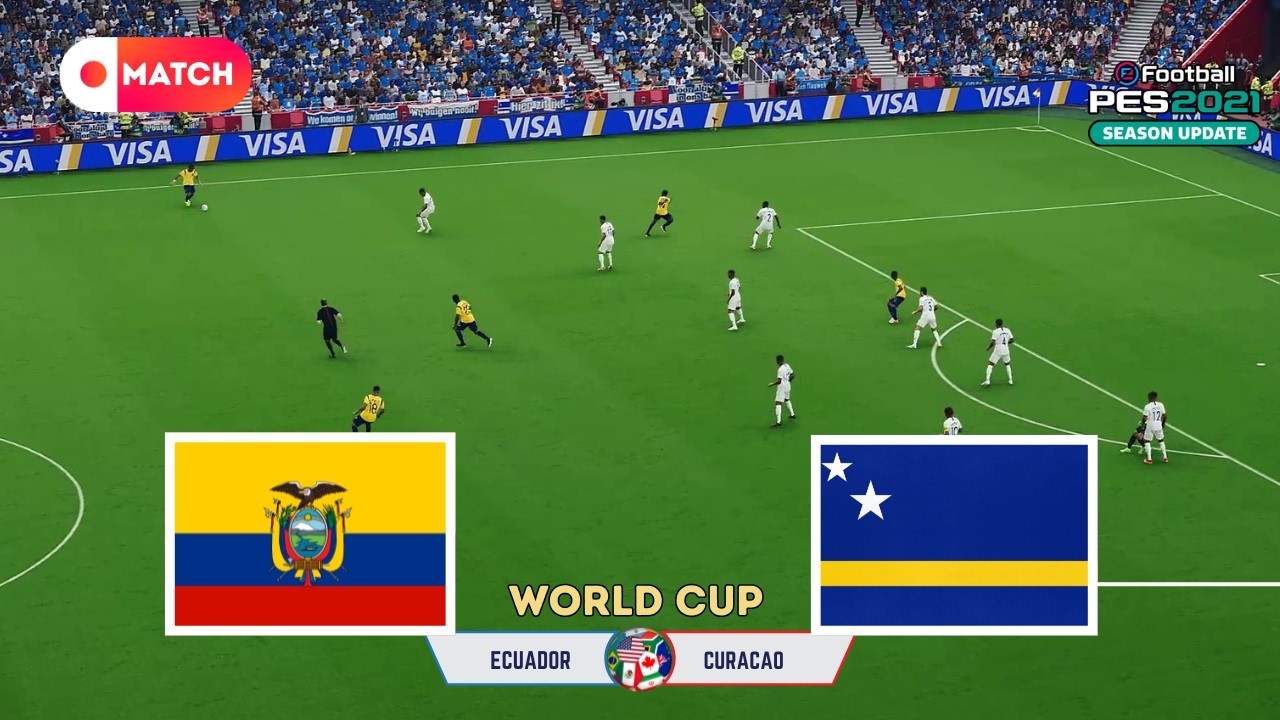
A YouTube clip titled Ecuador vs Curacao – World Cup 2026 Simulation is pulling in views, and the funny part is that the match has never been played. It exists only inside a copy of eFootball PES 21, where a creator set up the two national sides, hit play, and let the game engine decide what happens. No tickets, no referee, no real result. And yet thousands of football fans are watching it as if it were a genuine preview of the tournament.
This is now its own little corner of the internet. As the 2026 FIFA World Cup approaches, simulation videos have multiplied across YouTube, each one staging fixtures that may or may not ever take place. The Ecuador-Curacao clip is a neat example of why the genre works, and why one of the two teams in it is a far more interesting real-world story than most viewers realise.
What the viral clip actually is
Strip away the dramatic thumbnail and the video is straightforward. A gamer loads two international teams into a football title that is several years old, picks a stadium, and runs the AI-versus-AI match while commentating or letting the in-game commentary carry it. The "realistic gameplay" tag refers to graphics and player likenesses, not to any serious modelling of form, tactics or fitness.
That distinction matters. A simulation like this is not a forecast. The scoreline is produced by a game engine balancing scripted player ratings and a dose of randomness, not by analysing how Ecuador's defence might cope with a counter-attack. Treat it as a digital kickabout that happens to wear the badges of two real nations.
The appeal is emotional rather than analytical. Fans get to see their flag, their kit and recognisable faces on the pitch months before any real ball is kicked. For supporters of smaller footballing nations especially, watching their team rendered in a big-budget game alongside established sides is a small thrill in itself.
Why simulation gaming became a YouTube genre
The simulation boom is built on a simple supply-and-demand gap. Major tournaments generate enormous appetite for content, but real matches are spaced days apart. Creators fill that vacuum.
A few factors drive the format:
- Speed and low cost. One person with a console can produce a full "match" in under an hour and upload daily.
- Endless matchups. Any two teams can be paired, including ones that will never meet in real life, which feeds curiosity.
- Search-friendly titles. Pairing two national teams plus "World Cup 2026" captures fans Googling those exact names.
- Replay value. Because outcomes are semi-random, the same fixture can be uploaded again with a different result.
The same logic powers the wave of AI-narrated highlight reels and prediction montages flooding feeds before any big event. Simulation videos are the more honest cousin of that trend, because nobody is pretending a real game took place. The interest is genuine even if the match is invented.
Curacao: the real headline hiding in the thumbnail
Here is where the clip becomes more than novelty. Curacao is a Dutch Caribbean island with a population of roughly 150,000 people, smaller than many Indian towns. It has qualified for the 2026 World Cup — the least populous nation ever to do so. That is a story worth more attention than the fictional scoreline.
Curacao punches far above its size because of its links to the Netherlands. Many players eligible for the island grew up in the Dutch youth system and carry professional pedigree from European leagues. That talent pipeline has turned a tiny territory into a side capable of troubling much larger CONCACAF opponents in qualifying.
The team has spent recent years climbing the regional ladder, mixing seasoned professionals with players who choose to represent their heritage rather than the bigger nation where they were raised. It is one of international football's quietly compelling projects, and the kind of underdog narrative that the expanded World Cup was designed to reward.
Ecuador, and the gulf the game flattens
On the other side sits Ecuador, a regular at recent World Cups and a hardened CONMEBOL side used to grinding through South American qualifying, one of the toughest routes in world football. Ecuador's young, athletic squad has earned respect for its defensive resilience and its ability to upset bigger names.
In reality, the two are drawn together in the same World Cup group, pitting a battle-tested South American outfit against a rising Caribbean upstart, and the gap in tournament experience is real. A video game tends to flatten that gulf. Player ratings narrow the distance, and a single piece of engine randomness can hand the underdog a win that the odds would not support.
That is precisely why people enjoy these clips, and precisely why nobody should read tactics into them. The fun lies in seeing the unlikely happen on screen, not in mistaking it for the likely.
How the 48-team format fuels the hype
The 2026 World Cup, co-hosted by the United States, Canada and Mexico, expands from 32 to 48 teams. That widening is the structural reason a simulation like this resonates now. More slots mean more nations are realistically in contention, and CONCACAF in particular gets a bigger share of places.
For a side like Curacao, the maths shifted from near-impossible to genuinely live. That changes how fans engage with simulation content. A few years ago, a Curacao World Cup match was pure fantasy. Now that Curacao has actually qualified, the video feels less like a daydream and more like a sneak preview.
The larger field also creates dozens of fresh, untested matchups between teams that have rarely or never played each other. For simulation creators, that is an almost limitless content library, and it explains why the genre is multiplying faster ahead of 2026 than before any previous tournament.
What to keep in mind as more of these spread
Expect your feed to fill with similar videos as the tournament nears, and a few sensible habits help separate the fun from the misleading.
- Read the label. If a title says "simulation" or names a game engine, it is fan entertainment, not journalism.
- Ignore the scoreline as prediction. A game result tells you nothing reliable about who will actually win.
- Check the date and the squads. Older titles like PES 21 use outdated rosters, so lineups may not match current reality.
- Enjoy the discovery. The real value is often learning about teams, like Curacao, you might never have followed.
The Ecuador-Curacao clip works because it sits at the intersection of two things fans love: the buildup to a World Cup and the what-if magic of a video game. It will not tell you who wins anything. But it has quietly introduced a lot of viewers to a 150,000-strong island that has reached one of sport's biggest stages, and that real story is the one worth following once the simulations stop and the actual tournament begins.
If even a fraction of those viewers tune in when Curacao plays for real, the genre will have done something more useful than kill time. It will have made the world's game feel a little bigger.