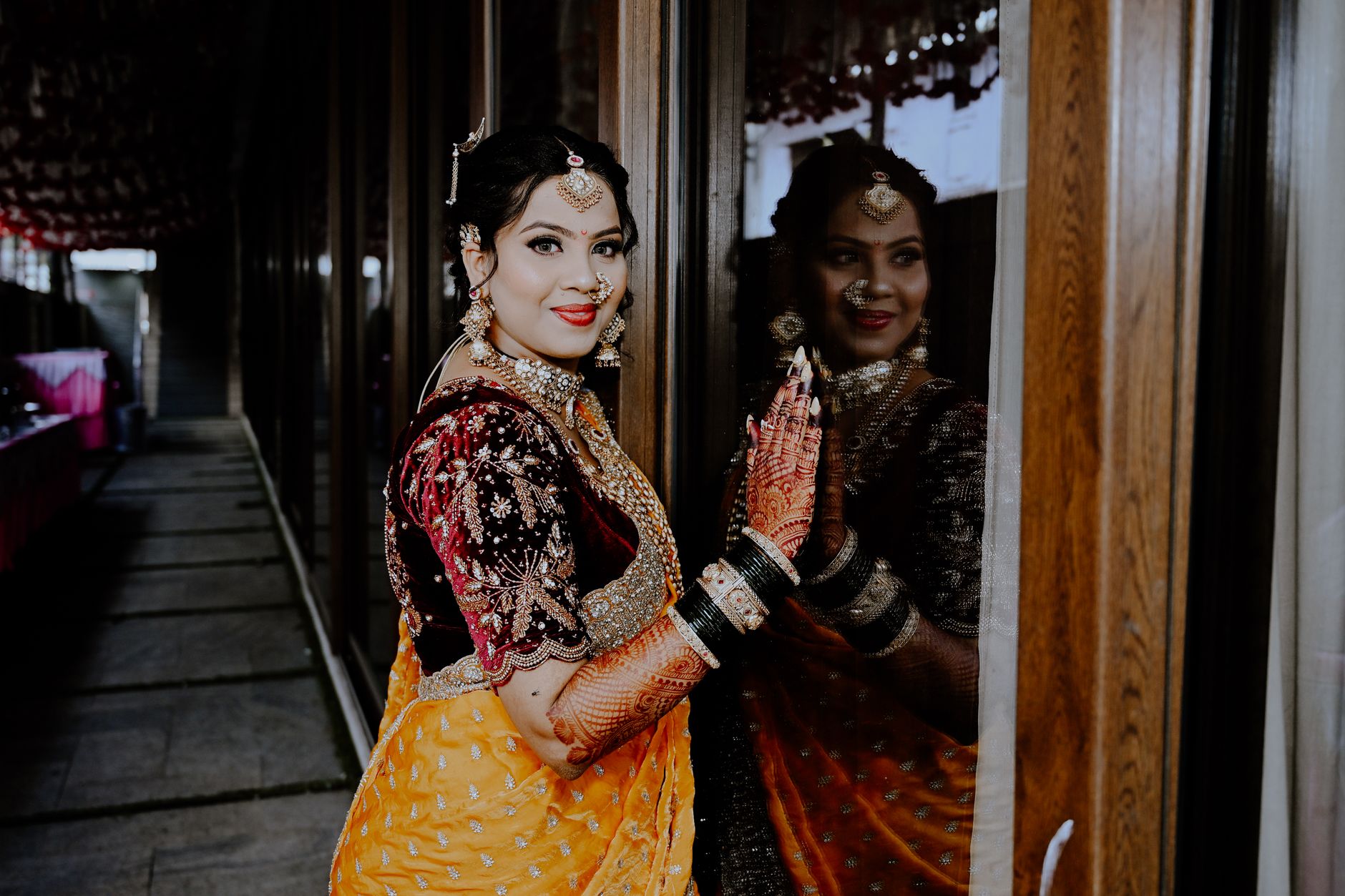
Photo: Akshay Patil / Pexels
The Lighter Lehenga: What 2026 Brides Are Really Buying
The most talked-about number in Indian bridal fashion right now isn't a price tag. It's weight. Walk into any serious atelier ahead of the 2026 season and the first question brides ask has quietly shifted from "how much work can you put on it" to "how much will it weigh." That single change tells you almost everything about where festive lehenga and ethnic-wear trends are heading this wedding season.
The heavy, armour-like bridal lehenga that needed two helpers and a chair between rituals is going out of fashion. In its place is a lighter, more wearable, more personal idea of dressing up. Brides who grew up watching elaborate sangeet reels now want to actually perform in them, and that practical instinct is reshaping fabric, colour, embroidery and even how families think about buying.
The featherweight lehenga is the real headline
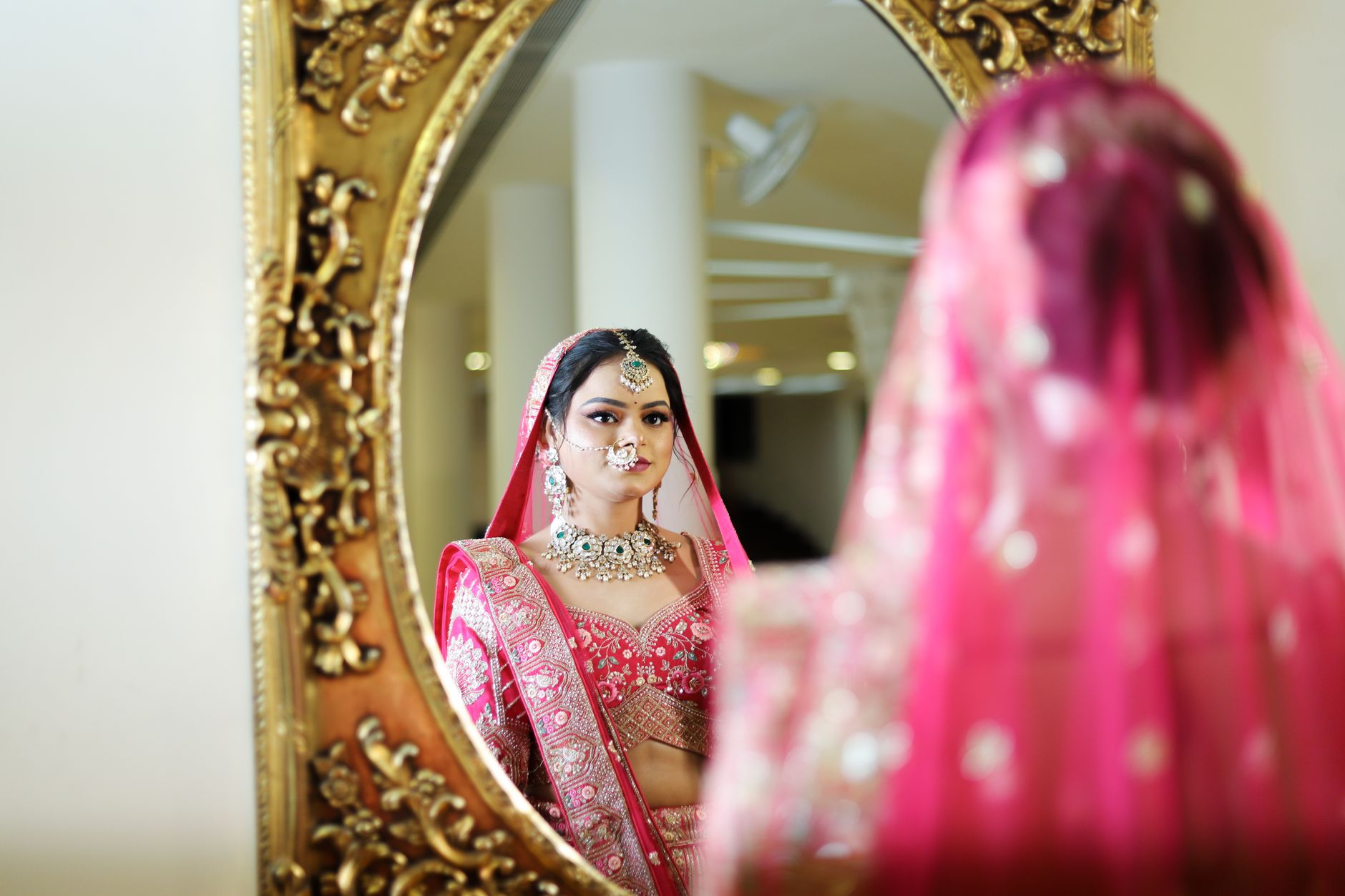
For years, the unspoken rule was that a serious bridal lehenga had to feel serious on the body. That logic is collapsing. Designers are deliberately stripping weight out of their flagship pieces, swapping dense metal sequins and heavy zari for hand-placed crystals, lighter threadwork and smarter construction. Some marquee 2026 collections are being marketed on the fact that their average lehenga is noticeably lighter than the same house's work a few years ago.
This isn't just comfort for comfort's sake. A lighter outfit changes the whole choreography of a wedding. The bride can sit through a two-hour pheras, eat at her own reception, and join the dance floor without dreading it. For destination and outdoor weddings, where heat and movement matter, a breathable lehenga is no longer a nice-to-have.
The fabric story follows directly from this. Organza, tissue, silk blends and raw silk are gaining ground because they deliver drama and shine without bulk. Velvet hasn't disappeared, especially for winter and evening functions where its richness is unmatched, but it's now a deliberate choice rather than the default for anyone who wants to look bridal.

Colour is finally braver than red
Red will always have a seat at an Indian wedding, but it's sharing the stage like never before. The 2026 palette splits cleanly by time of day, and brides are leaning into that.
- Daytime and destination: soft pastels rule, with blush, peach, lavender and mint everywhere. The breakout shade is pistachio and sage green, which photograph beautifully in natural light.
- Evening and reception: deep jewel tones take over, with emerald, sapphire, wine and oxblood delivering richness against indoor lighting.
- The romantic middle ground: old rose, dusty pink and ivory with floral embroidery, for brides who want softness without going fully pastel.
Even traditional red is being handled differently. The fashion now is a deeper, matte red with cleaner lines and less all-over glitter, so the colour does the talking rather than the shine. Ombré is another quiet favourite, with the skirt melting from one shade into another for that golden-hour effect.
Craft over sparkle
The biggest aesthetic shift underneath all of this is a move away from machine-heavy sparkle toward visible handwork. Brides are increasingly asking for hand embroidery, tone-on-tone thread, fine zardozi and nature-inspired floral motifs rather than dense sequins that flatten under camera flash.
The reasoning is partly taste and partly value. Handwork reads as couture and ages far better, while a wall of cheap sequins tends to look dated within a couple of seasons. Florals, in particular, have overtaken stiff geometric patterns as the motif of the moment, giving even heavily worked lehengas a softer, more organic feel.
This also feeds the lightness trend. Fine, intentional embellishment simply weighs less than acres of metal, so the two goals reinforce each other. The result is an outfit that looks intricate up close but moves like something far simpler.
Rent, re-style, inherit
Perhaps the most genuinely new shift is in attitude rather than design. A growing number of 2026 brides treat the bridal lehenga as an investment piece, not a single-use costume. That changes everything about how families shop.
Three behaviours have gone mainstream:
- Renting the heaviest piece. For one-day functions like a cocktail or a friend's wedding, renting a designer-level outfit is now a confident choice, not an embarrassing secret.
- Re-styling what already exists. Mothers' decades-old lehengas, still structurally sound, are being re-cut, paired with fresh dupattas, and given new blouses. The same logic applies to anarkalis restyled with new jewellery.
- Buying with the second wear in mind. Brides increasingly pick colours and cuts they can realistically wear again, splitting the skirt and blouse across future occasions.
None of this is framed as cutting corners. It sits comfortably inside the broader conscious-fashion conversation, where supporting handcraft and ethical fabrics carries its own status. A heirloom lehenga restyled for a new generation is, for many, a richer story than something bought off a rack.
What guests are wearing
The trends don't stop at the bride. Wedding guests in 2026 are dressing with more intent and less competition. Pastels and soft jewel tones work for guests too, with lighter anarkalis, structured shararas and pre-draped sarees offering comfort across back-to-back functions.
The practical playbook for guests mirrors the bride's: rent the statement outfit for the big night, re-wear a versatile saree across smaller events, and lean on accessories to refresh a repeated look. The goal is to look considered without buying a fresh outfit for every single ceremony, which is exactly the mindset reshaping the whole category.
Why this matters beyond the wedding
Ethnic wear is one of the strongest-performing slices of Indian fashion, and lehengas in particular have outpaced other festive categories at the premium end. When the biggest-spending buyers start prioritising lightness, handwork and re-wearability, the whole supply chain follows, from karigars to rental platforms to fast-growing resale.
The takeaway for anyone shopping this season is simple. The most fashionable lehenga in 2026 isn't necessarily the heaviest or the most expensive. It's the one a bride can move in, photograph well in natural light, and imagine wearing again. After years of bridal fashion chasing maximum, the new flex is knowing exactly how much is enough.