Photo: Victoria Bowers / Pexels
A2 Milk vs A1: Is the Desi-Cow Premium Worth It?
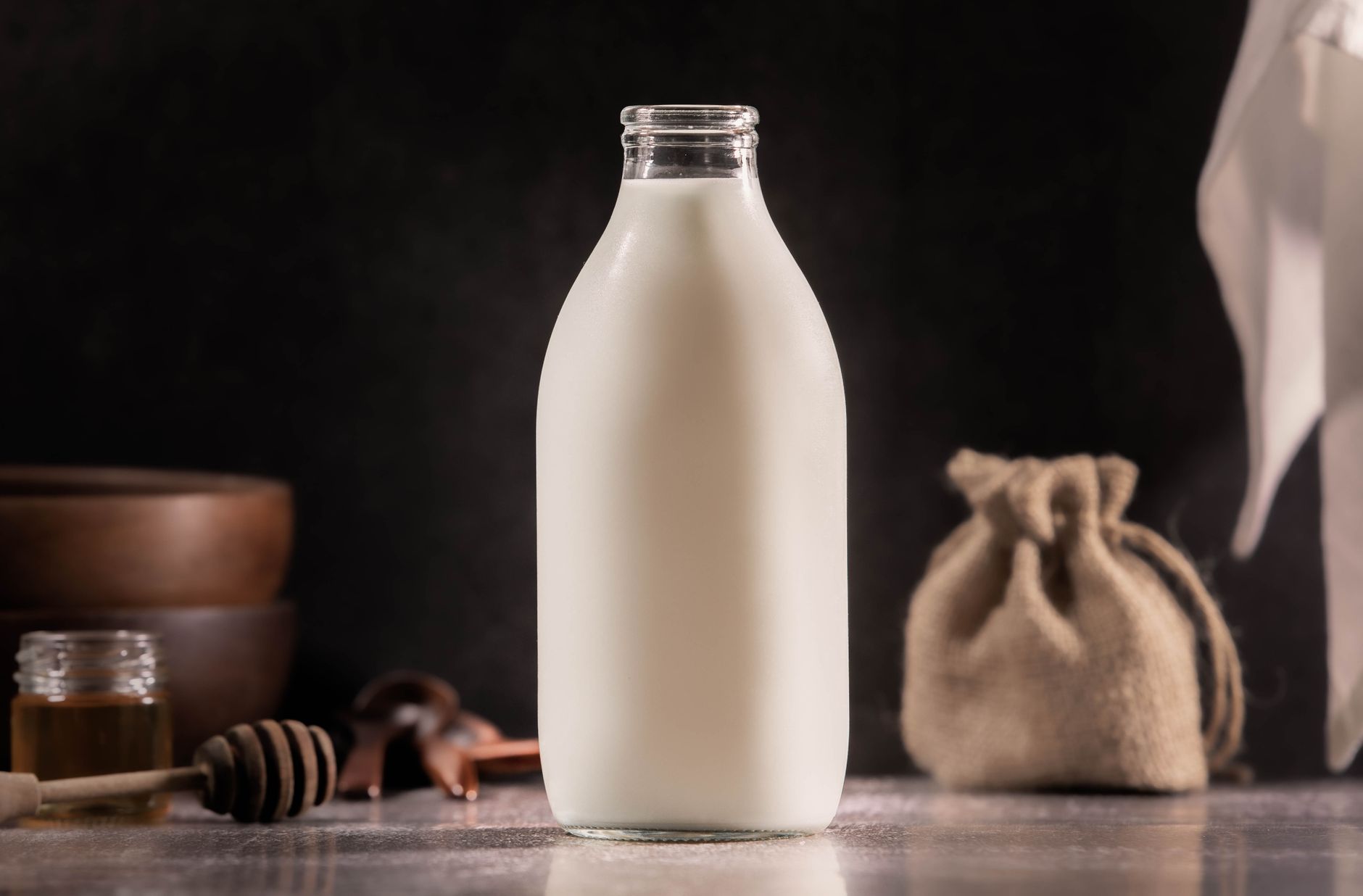
If you have shopped for milk in any Indian metro lately, you have seen the A2 milk shelf — glass bottles, a smiling indigenous cow on the label, and a price tag two to three times higher than your regular packet. The pitch is seductive: purer, older, more "Indian," gentler on the stomach. But almost none of the people paying the premium can explain what the A2 actually refers to. Here is the honest, science-first version — and a clear answer on where the extra money is well spent and where it is quietly wasted.
A2 milk, decoded: it's about one protein
All cow milk is roughly 87% water, with the rest being fat, sugar (lactose) and protein. About 80% of that protein is casein, and one major fraction of casein is beta-casein. Beta-casein comes in two main genetic variants: A1 and A2. That single difference — a swap of one amino acid at position 67 in the protein chain — is the entire basis of the A2 industry.
The key point most marketing skips: A1 and A2 milk are identical in fat, lactose, calcium and calories. A2 is not creamier, not "more natural," and not lower in sugar. The only real distinction is which beta-casein variant the cow's genes produce. Everything else on those premium labels is storytelling layered on top of that one molecular detail.

Why most Indian cows are naturally A2
Here is the part that genuinely matters for India. The A2 variant is the ancestral form — the original beta-casein. The A1 variant appeared later as a mutation that spread mainly through European Bos taurus breeds such as Holstein Friesian and Jersey, the high-yield cattle that dominate industrial dairy worldwide.
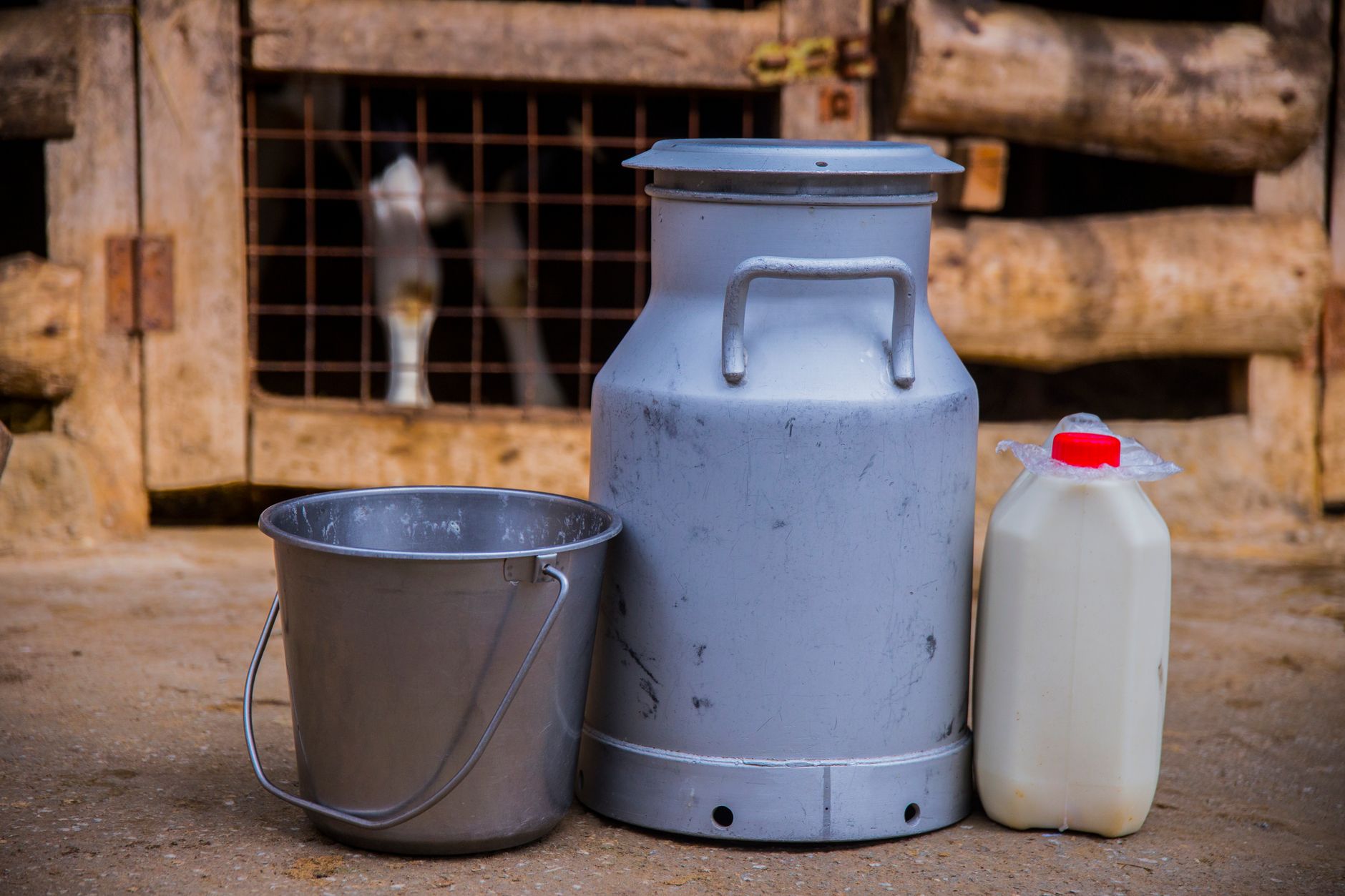
India's native Bos indicus cows — the humped desi breeds like Gir, Sahiwal and Tharparkar — overwhelmingly carry the A2 gene. So do buffaloes, goats and most of the milk many Indian households have always consumed. In other words, if you grew up drinking milk from a local desi cow or buffalo, you were very likely already drinking A2 milk for free, decades before anyone bottled and branded it.
That reframes the whole proposition. The premium is not for a rare, engineered superfood. It is largely for breed certification, traceability and packaging — knowing the milk came from a verified A2 herd, often grass-fed and small-batch. That can be worth paying for. It is just not the same as paying for a proven health miracle.
The science: what BCM-7 does and doesn't do
The health claim hinges on a fragment called BCM-7 (beta-casomorphin-7), an opioid-like peptide released when A1 beta-casein is digested. A2 protein does not release BCM-7 in the same way. Animal studies and some small human studies have linked BCM-7 to inflammation and digestive discomfort, which is where the "A2 is healthier" narrative was born.
But the larger picture is far more cautious. A major European Food Safety Authority (EFSA) review in 2009 found no firm cause-and-effect relationship between A1 milk or BCM-7 and any disease such as diabetes or heart disease. Later research has been mixed and mostly small-scale. The most defensible conclusion today is narrow:
- There is no strong evidence that A1 milk causes chronic disease in the general population.
- A minority of people report less bloating, gas or discomfort on A2 milk, and a few controlled studies support that for digestion specifically.
- Many who "feel better" on A2 may actually have mild lactose issues — which A2 does nothing to fix, since the lactose is unchanged.
So A2 milk is best understood as a comfort and tolerance product for some stomachs, not a preventive medicine for everyone.
"A2 ghee" is the claim that makes the least sense
This is where buyers should be sharpest. A2 ghee is often the priciest item in the range, sometimes sold at luxury rates with sweeping wellness claims. Yet the A1/A2 difference exists in beta-casein, a protein — and ghee is made by clarifying butter until you are left with almost pure milk fat, with the milk solids and proteins largely removed.
That means the protein responsible for the entire A2 distinction is present only in trace amounts, if at all, in finished ghee. Calling ghee "A2" describes the cow it came from, not a meaningfully different fat in your jar. There may be real reasons to prefer artisanal bilona desi-cow ghee — flavour, sourcing, supporting native breeds — but "because A2 protein is healthier" is not a scientifically sound one for ghee.
The FSSAI flip-flop of 2024
India's food regulator nearly settled this argument in August 2024. The FSSAI (Food Safety and Standards Authority of India) issued an advisory telling dairy companies and e-commerce sellers to remove A1 and A2 claims from milk and ghee packaging, calling them misleading and not supported by the country's food safety law, which does not formally define A1 or A2 differentiation.
Then, within days, the regulator withdrew that advisory after pushback from desi-cow farmers and A2-focused startups who argued the branding supports indigenous breeds and rural livelihoods. The result is the messy status quo: A2 labels are back on shelves, but they still rest on a claim the regulator itself once flagged as questionable. For shoppers, the takeaway is simple — treat the A2 tag as a marketing and sourcing signal, not a regulator-endorsed health certificate.
Who should actually pay the premium — and who shouldn't
This does not mean A2 milk is a scam. It means you should buy it for the right reasons. A quick decision guide:
- Buy A2 if you genuinely feel less bloated or heavy on it after a fair trial — your gut's verdict beats any label.
- Buy A2 if you specifically want to support native Indian breeds, single-origin sourcing and traceable, often grass-fed dairy, and the price fits your budget.
- Skip the premium if you are healthy, digest regular milk fine, and just want nutrition — ordinary toned milk and buffalo milk deliver the same calcium and protein for far less.
- Be skeptical of A2 ghee health claims — judge it on taste, purity and sourcing, not on the A2 story.
- Don't buy A2 to fix lactose intolerance — it still has lactose; you need lactose-free milk or lactase drops instead.
The bottom line for Indian shoppers
A2 milk is real, the protein difference is real, and a slice of people do digest it more comfortably. What is oversold is the leap from "one different protein" to "miracle health food worth triple the price for everyone." Much of India's traditional milk was A2 to begin with, the disease-prevention evidence remains thin, and the regulator has openly wobbled on whether the claim should even be printed.
Spend the premium consciously: pay for trusted sourcing, breed support and your own digestion, not for fear of A1. And when you see a jar of A2 ghee carrying the biggest markup in the aisle, remember it is mostly fat — the very ingredient where the A2 difference all but disappears. In a market built on a single amino acid, the smartest thing on the label is the one you bring yourself: a healthy dose of skepticism.