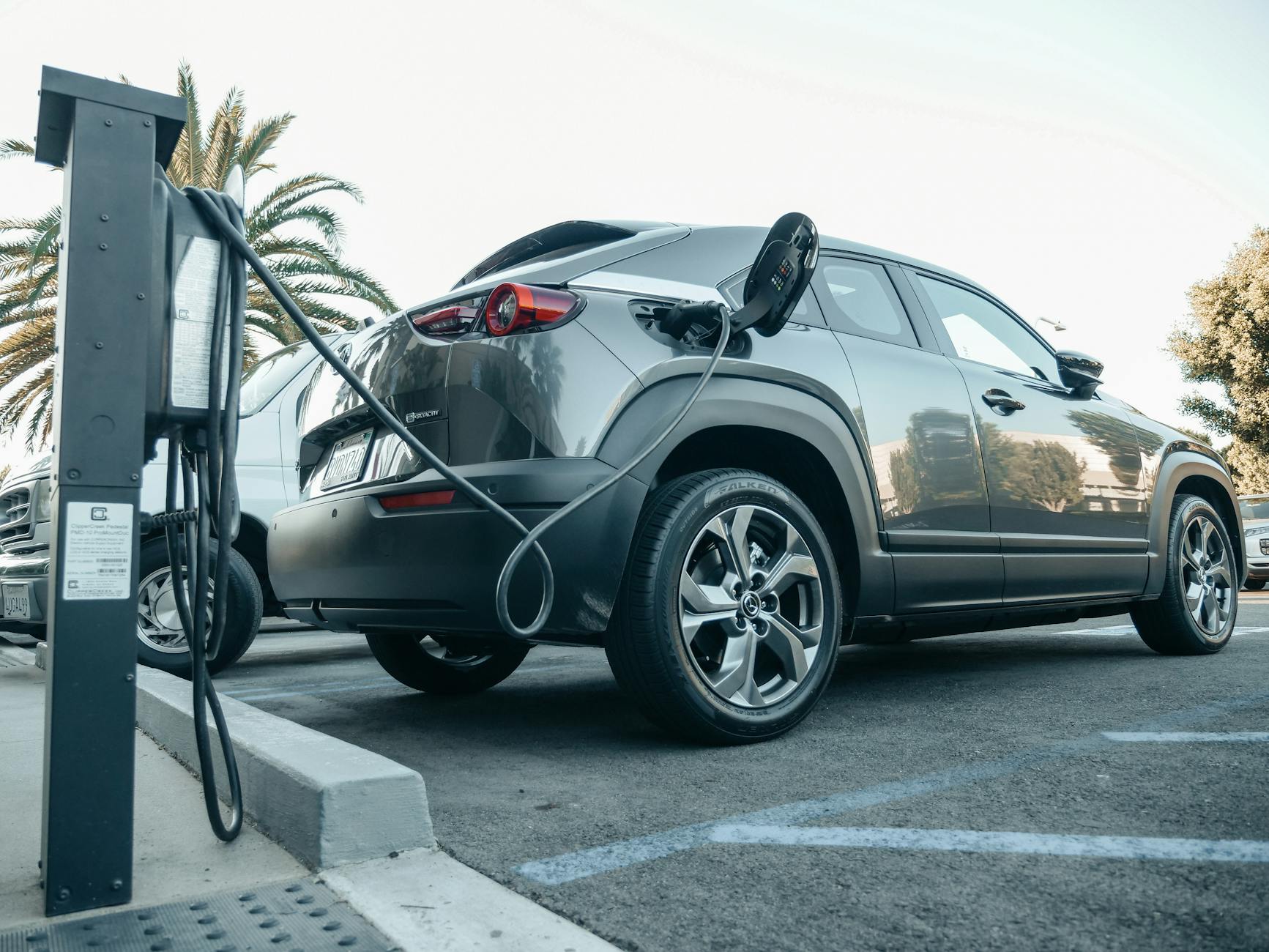
Photo: Kindel Media / Pexels
Best Electric Cars in India 2026: Range, Price & Charging Compared
Picking the best electric car in India in 2026 is no longer a leap of faith. The choice has exploded from a handful of compliance cars to a genuine line-up that spans ₹7 lakh city hatchbacks to 600-kilometre SUVs, and the three numbers that actually decide your purchase — range, price and charging speed — finally tell a coherent story. The catch is that the headline figures on the brochure rarely match what you see on the road, so this guide cuts through the marketing to compare what matters.
The numbers that actually matter
Every EV is sold on a single shiny figure: claimed range. But that number comes from the ARAI/MIDC test cycle, run in lab-like conditions, and Indian reality — heat, traffic, AC on full, highway speeds — knocks it down hard. A safe rule of thumb is to mentally subtract 20-30% from any claimed range before you decide whether a car fits your life.
That means a 30 kWh battery realistically gives you around 220-250km, a 50 kWh pack about 330-380km, and the big 75-79 kWh packs in the Mahindra and Tata SUVs deliver roughly 450-500km in mixed driving. Price matters in two forms — ex-showroom versus on-road, and increasingly whether you own the battery or rent it. And charging is the third axis most buyers underrate: a slightly shorter range matters far less if the car refills quickly.

The budget bracket: under ₹10 lakh
This is where EV ownership stops being aspirational. The cheapest electric car in India remains the MG Comet EV, priced between roughly ₹7 lakh and ₹9.78 lakh, a tiny four-seater built purely for clogged city streets. The Tata Tiago EV, from about ₹6.99 lakh, is the more conventional pick — a familiar hatchback shape with a usable cabin and Tata's wide service network behind it.
Neither is a highway tourer. Their smaller batteries translate to real-world ranges in the 200-250km zone, which is plenty for daily commuting but demands planning for anything longer. For a second car in a two-car household, or a first EV for a cautious buyer, they remain the most sensible entry points.
- MG Comet EV — ~₹7 lakh, ultra-compact, pure city runabout
- Tata Tiago EV — ~₹6.99 lakh, practical hatchback, strong value
- Tata Punch EV — ~₹9.69 lakh, raised stance and SUV-ish appeal
The sweet spot: ₹15-20 lakh family EVs
This bracket is where most serious buyers will land, and the competition is fierce. The MG Windsor EV has been a quiet bestseller, offering two battery choices — a 38 kWh pack good for a claimed 332km and a 52.9 kWh pack stretching to about 449km. Its lounge-like cabin and aggressive pricing have made it a default recommendation.
The Hyundai Creta Electric brings the badge equity of India's favourite mid-size SUV to the EV world, and a 2026 software update quietly transformed its case: it now supports up to 100kW DC fast charging, cutting a 10-80% top-up to roughly 39 minutes, down from nearly an hour. That single change moves it to the front of the practicality conversation.
Then there is the Maruti e Vitara, the brand's first real EV, priced from about ₹15.99 lakh — or, via its Battery-as-a-Service (BaaS) plan, from a headline ₹10.99 lakh with a battery usage charge of around ₹3.99 per kilometre. Its 49 kWh battery claims 440km and the 61 kWh version up to 543km, both fast-charging 10-80% in about 45 minutes. BaaS lowers the entry barrier but rewards low-mileage users; if you drive a lot, owning the battery usually works out cheaper.
The range kings: premium electric SUVs
At the top of the mainstream market sit three SUVs that have rewritten what an affordable EV can do. The Mahindra XEV 9e, from about ₹21.90 lakh, leads on paper with a 79 kWh battery and a claimed 656km range, plus a single- or dual-motor choice topping out at 284bhp. Its sibling, the Mahindra BE 6, is the value play of the trio at around ₹18.90 lakh, sharing the platform and battery muscle in a sharper, coupe-like body.
The Tata Harrier EV, from roughly ₹21.49 lakh, answers with a claimed 622km range and serious pace — 287bhp, 504Nm and a 0-100kmph sprint of about 6.3 seconds, making it the quickest in its class. For buyers who want one EV to do everything from the school run to a Mumbai-Goa highway dash, this trio finally makes range anxiety feel like an old problem.
For those chasing outright distance and willing to spend more, the Hyundai Ioniq 5 still tops the charts with a claimed 631km and ultra-fast 800-volt charging — a halo product rather than a value pick.
Charging: the number buyers underrate
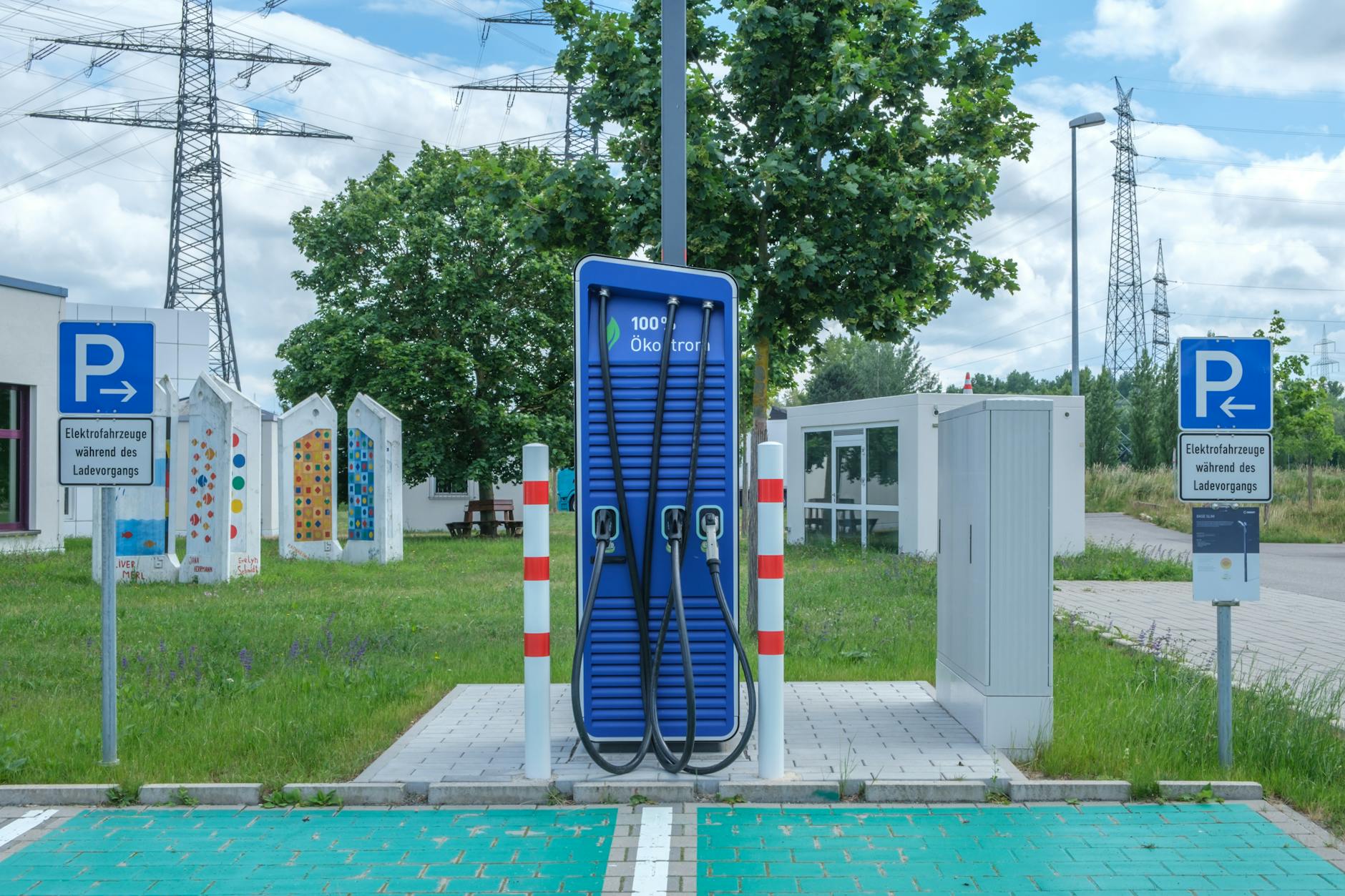
Range tells you how far; charging tells you how often you wait. There are three speeds to know:
- Home AC charging (3.3-7.4 kW) — the cheapest and most common; a full charge takes 6-9 hours, ideal overnight.
- DC fast charging (50-100 kW) — at public stations, most 2026 EVs do 10-80% in 40-50 minutes; the Creta Electric now manages ~39 minutes.
- Ultra-fast charging (150 kW+) — limited to premium cars like the Ioniq 5 and a still-thin network of capable stations.
The practical takeaway: for daily use, almost every EV here charges fully at home overnight, so peak public-charging speed only matters on long trips. India's public charging network is growing fast but remains patchy outside metros and major highways, so a car that recovers range quickly buys you real peace of mind.
So which one should you buy?
There is no single winner — the right EV depends on how you actually drive. A quick decision filter:
- City-only, tight budget: Tata Tiago EV or MG Comet EV
- Best all-round family value: MG Windsor EV or Maruti e Vitara
- Badge comfort and fast charging: Hyundai Creta Electric
- Maximum range and performance under ₹22 lakh: Mahindra XEV 9e, BE 6 or Tata Harrier EV
Before signing, check three things: the real-world range for your typical week (not the brochure number), whether you can install a home charger, and the total cost including the battery if you are tempted by a BaaS plan.
What comes next
The 2026 line-up is the strongest India has seen, but the curve is still steep. Battery prices continue to fall, more 100kW-plus chargers are coming online along national highways, and several carmakers have new EVs queued for launch through the year. That means today's prices may look high in 18 months — but it also means the cars on sale now are finally good enough that waiting is no longer the obviously smart move. For most buyers, the best electric car in India in 2026 is simply the one whose range, price and charging match how they really drive.


