Photo: Franco Monsalvo / Pexels
Cape Verde Held Spain 0-0: World Cup 2026's Biggest Shock
One of the smallest populations at this World Cup just produced its loudest result. On 15 June in Atlanta, Cape Verde walked out for the first match in their history and walked off with a point against Spain, the world's second-ranked side and reigning European champions. The 0-0 scoreline looks tidy. What it covered was 90 minutes of one of the most lopsided football contests you will see at this level, and a goalkeeper refusing to be beaten.
For a tournament that has already served a few jolts, this is the biggest upset of World Cup 2026 so far. Not because of who won, but because of who didn't lose.

The result that wasn't supposed to happen
Spain arrived as co-favourites to lift the trophy, priced at around -1500 to beat a nation ranked 67th in the world. Cape Verde, an archipelago of roughly 525,000 people, were making their debut after sealing qualification with a home win over Eswatini in October 2025. Only Curaçao at this very tournament and Iceland in 2018 have reached a World Cup with a smaller population.
The gap between the two sides on the FIFA ladder was about 65 places, which puts this match among the largest ranking mismatches the competition has staged. By the cold logic of seeding, Spain should have won comfortably and moved on. Instead, the Blue Sharks held firm and turned a routine opener into the story of the round.

How Cape Verde actually did it
This was not a smash-and-grab. It was a wall.
Spain had the ball for roughly 70% of the first half and finished the night with 27 shots, seven of them on target. Cape Verde managed six attempts in reply. On any normal evening, that pattern ends with three or four Spanish goals. The reason it didn't comes down to a few clear choices:
- A deep, narrow defensive block that refused to give Spain space between the lines, forcing shots from distance or tight angles.
- Disciplined spacing so that the dangerous cutbacks Spain love kept finding a body in the way.
- A goalkeeper in the form of his life.
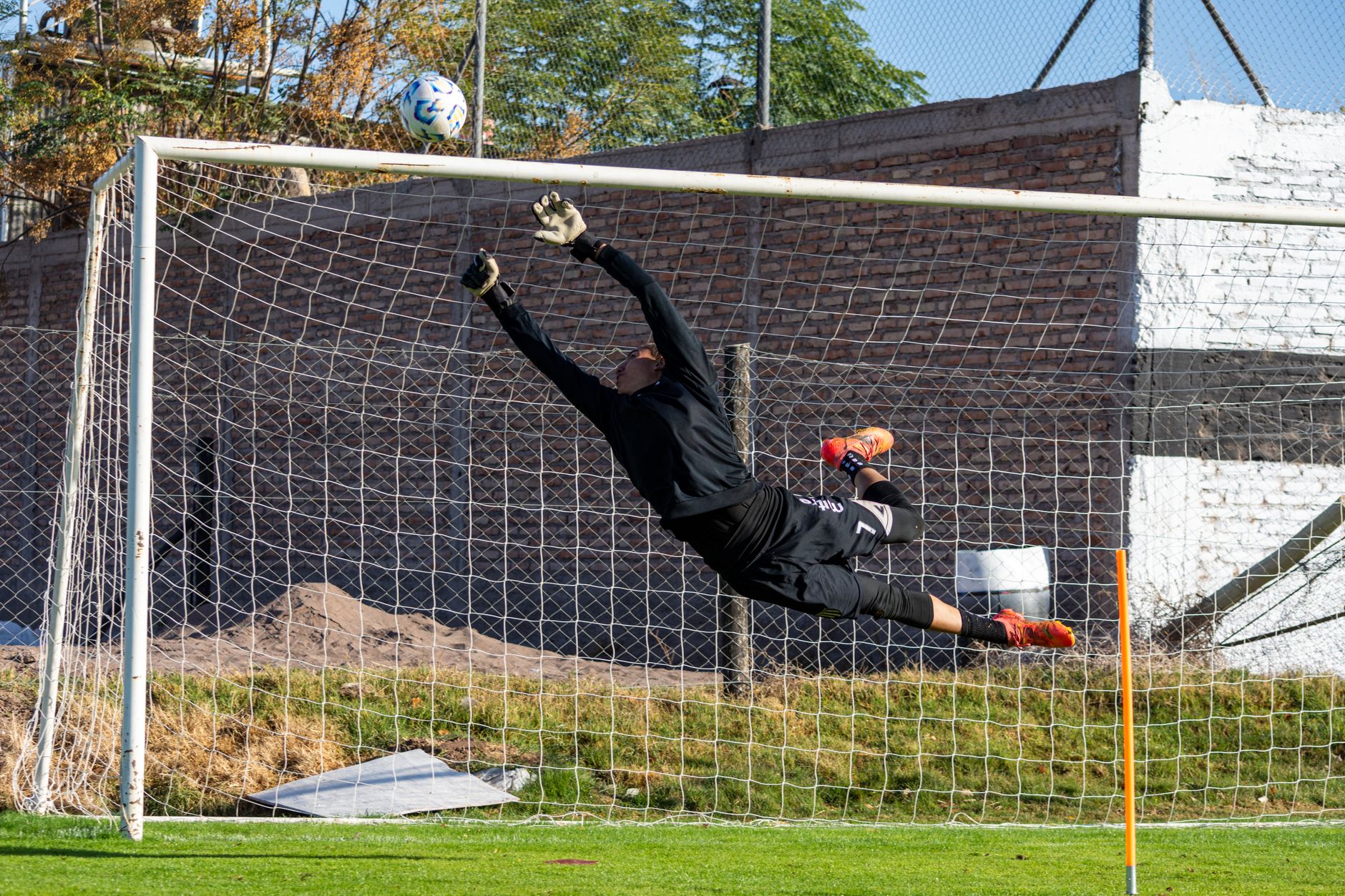
That goalkeeper was Vozinha, 40 years old, who kept out everything that reached him and was named man of the match. He denied Spain's sharpest chances late in the first half and never looked rattled when the pressure built. Veteran calm in the biggest moment of a career is hard to coach; Cape Verde had it in the one position where it mattered most.
There is a human footnote that made the night sweeter. Reports around the tournament noted that Vozinha's mother had been granted a visa to travel and watch him in person. A 40-year-old keeper, his first World Cup, his mum in the stands, and a clean sheet against the European champions. You could not script it more neatly.
Why a draw counts as a shock
Football usually files its upsets under outright wins. The minnow scores, defends for its life, and steals all three points. A goalless draw can feel like a lesser thing.
It isn't, not here. Spain were built to overwhelm exactly this kind of opponent, and they could not find a way through across 90-plus minutes despite near-total control. For a debutant nation with a fraction of the resources, the playing pool and the pedigree, holding that team to nothing is closer to a heist than a hard-luck story. The bookmakers agreed: Spain's odds to win the tournament drifted from roughly 5.00 to 7.00 in the aftermath, a sharp move for a single dropped point.
It also reframes the night Spain had. La Roja did not play badly. They created plenty. They simply ran into an opponent who had decided that the scoreboard, not the possession chart, was the only number that counted.
What it changes in Group H
The immediate fallout is that Group H has no settled order. Spain were meant to stroll through the section. After the opening round, every team in the group was level on a single point, because Saudi Arabia held Uruguay to a 1-1 draw on the same matchday. Four teams, four points shared, nothing decided.
That matters for several reasons:
- Spain's margin for error has shrunk. A team chasing the title now has to win its remaining group games convincingly, with goal difference suddenly in play rather than assumed.
- Cape Verde have a real route forward. One point on debut, against the group's strongest side, is the best possible launchpad for a nation that simply hoped to compete.
- Uruguay and Saudi Arabia are still alive in a section nobody can call. A group that looked top-heavy is now a genuine four-way scrap.
The expanded format adds another layer. The 48-team World Cup sends not just the top two from each group through, but also eight of the twelve third-placed sides. For a country like Cape Verde, that math turns a single hard-earned point into something that could realistically carry them out of the group. In the old 32-team setup, a draw against the favourites was a memory. In this one, it can be a stepping stone.
The bigger picture for the underdogs
Cape Verde's point lands in a tournament that has already shown its teeth toward the giants. Curaçao led four-time champions Germany at one stage before falling, and other heavyweights stumbled through draws in their openers. The pattern is becoming hard to ignore: a 48-team field stuffed with debutants and small nations is not making the World Cup easier for the elite. It is making the first round a minefield.
There is a structural truth underneath the romance. With more teams and a points-per-third-place safety net, smaller sides no longer need to win games to advance. They need to not lose them. That tilts tactics toward deep blocks, set-piece discipline and goalkeeping, exactly the areas where a well-drilled underdog can compete with a superpower for 90 minutes. Cape Verde executed that blueprint to the letter.
For the watching neutral, and for Cape Verde's large diaspora following the team from across the Atlantic, the appeal is simple. A nation of half a million held the European champions and walked away unbeaten on debut. Spain will likely steady themselves and remain among the contenders. But the first big story of World Cup 2026 belongs to a goalkeeper turning 40, a defence that would not break, and a flag few casual fans could place on a map a month ago.
The knockout race is still wide open, and Group H is the most interesting accident at the tournament. Whatever Cape Verde do next, they have already done the part that lasts: their first World Cup match, against one of the best teams on earth, and not a single goal conceded.