Spain vs Cape Verde: The Smallest Nation at World Cup 2026
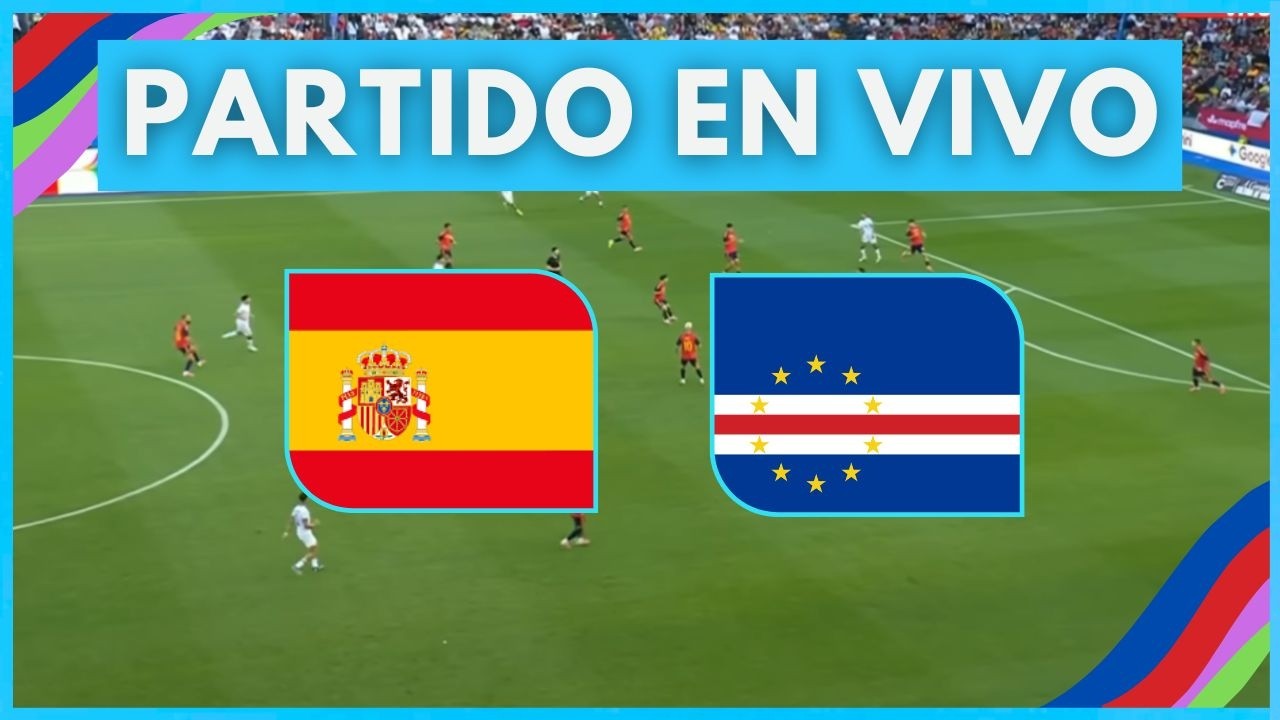
A livestream title written in Spanish has become an unlikely magnet for football fans around the world this week. “España vs Cabo Verde” — Spain against Cape Verde — is climbing YouTube’s trending lists, and the reason has very little to do with Spain. It is the name on the other side of the fixture that is pulling people in. Cape Verde, a scattering of ten volcanic islands in the Atlantic with a population smaller than many Indian towns, has reached the FIFA World Cup for the first time in its history.
That single fact reframes the whole match. This is not just another group-stage game between a giant and a minnow. It is the moment one of the smallest nations ever to qualify walks onto the biggest stage in sport, and it happens to be standing opposite the reigning kings of European football.
Why Spain vs Cape Verde is blowing up online
The clip and stream are spreading for a simple reason: the gap between the two teams is enormous, and football audiences are drawn to exactly that kind of contrast. Spain arrive at World Cup 2026 as one of the tournament favourites, built around a possession game and a generation of technically gifted players who have already tasted continental success. Cape Verde arrive as debutants who many casual fans could not place on a map a year ago.
The Spanish-language framing of the viral title also matters. A large share of global football content is produced and consumed in Spanish, and “En Vivo” (live) streams routinely rack up huge numbers during major tournaments. When a fairytale qualifier is involved, that audience swells with neutrals who have suddenly adopted a second team for the summer.
There is a cautionary note here too. Many of the YouTube links carrying titles like this are unofficial re-streams rather than the genuine broadcast feed. They appear, attract clicks, and often vanish or redirect. Readers chasing the match should treat eye-catching “live” thumbnails with healthy suspicion.
The half-million-strong island that gatecrashed the party
The heart of the story is Cape Verde itself. The country, known in Portuguese as Cabo Verde, sits off the coast of West Africa and is home to roughly 500,000 people. To put that in perspective, the nation has fewer residents than a single mid-sized Indian district, yet it has produced a squad good enough to outlast far larger and wealthier footballing countries during qualification.
Cape Verde’s footballing identity is shaped by its diaspora. A large number of people with Cape Verdean roots live in Portugal, the Netherlands, France and the United States, and the national team has long drawn on players raised and trained in those European systems. That blend of island pride and European academy polish is a big part of how a country this small built a team capable of qualifying.
The nickname often attached to the side, the Blue Sharks, captures the underdog romance well. For a footballing nation that only seriously emerged on the African scene over the last 15 years, reaching the World Cup is not a stepping stone. It is the summit.
What the expanded World Cup changed
None of this happens without a structural shift in the tournament itself. The 2026 World Cup, hosted across the United States, Canada and Mexico, has expanded to 48 teams, up from 32. More slots, especially for African and other confederations, widened the door for nations that had spent decades just short of qualification.
That expansion is controversial. Critics argue it dilutes quality and produces more lopsided group games. Supporters counter that it spreads the sport’s reach and gives smaller federations something concrete to chase. Cape Verde is precisely the kind of story the bigger format was designed to enable, and it is now the headline argument for both sides of that debate.
For a match like this, the expanded format also raises the stakes of the group stage. With three teams from many four-side groups now advancing, a debutant nation does not necessarily need to beat a Spain to progress. A point here, a win against a more matched opponent there, and the dream extends.
Group H and what is actually at stake
This fixture sits in Group H, billed in the viral title as the opening fixture (“Primera Fecha”, or first matchday). For Spain, the brief is straightforward on paper: win, control the group, and conserve energy for the knockout rounds where their ambitions truly lie.
For Cape Verde, the calculus is different and more interesting:
- A respectable performance against Spain is itself a victory in reputational terms.
- The points that matter most will likely come against more evenly matched group rivals.
- Avoiding a heavy defeat protects goal difference, which can decide third-place qualification in the expanded format.
That is why neutrals are tuning in even though most expect Spain to win. The question is not only the result. It is whether the debutants can compete, frustrate a superior side, and produce the kind of moment that defines a small nation’s World Cup.
How Indian fans are watching, and the trap to avoid
Indian interest in the FIFA World Cup has grown steadily, and underdog stories travel especially well here. A country of half a million reaching the world’s biggest tournament is the sort of narrative that resonates with fans who themselves cheer for emerging teams and unlikely qualifiers.
The practical advice for Indian viewers is simple but worth stating plainly. The safest way to watch is through the official broadcaster and streaming platform that holds India rights for the tournament. Viral YouTube links promising free live coverage frequently turn out to be:
- Unofficial re-streams that breach broadcast rights and are taken down mid-match.
- Low-quality mirrors with severe delays and intrusive pop-ups.
- Outright scams that push fake apps, phishing pages or malware.
If a link asks you to download anything, enter card details to “unlock” a stream, or install an unknown app, close it. No legitimate World Cup feed works that way.
What may happen next
On the pitch, Spain will be heavy favourites, and a Spanish win would surprise nobody. The more meaningful storyline is what Cape Verde does with the rest of its group. If the Blue Sharks take points elsewhere and stay competitive, this debut could stretch beyond the group stage and become one of the tournament’s defining feel-good chapters.
Off the pitch, expect the viral momentum to keep building. Every time a tiny nation shares a field with a powerhouse, clips, reactions and highlight edits multiply across YouTube and short-video platforms. The Spanish-language stream that started this wave is only the first ripple.
There is a longer tail as well. Qualification tends to reshape a small country’s relationship with the sport — more investment, more young players believing it is possible, more attention from European clubs scouting the squad. Whatever the scoreline against Spain, Cape Verde has already changed its own football story. The match is the spectacle. The qualification is the achievement that lasts.