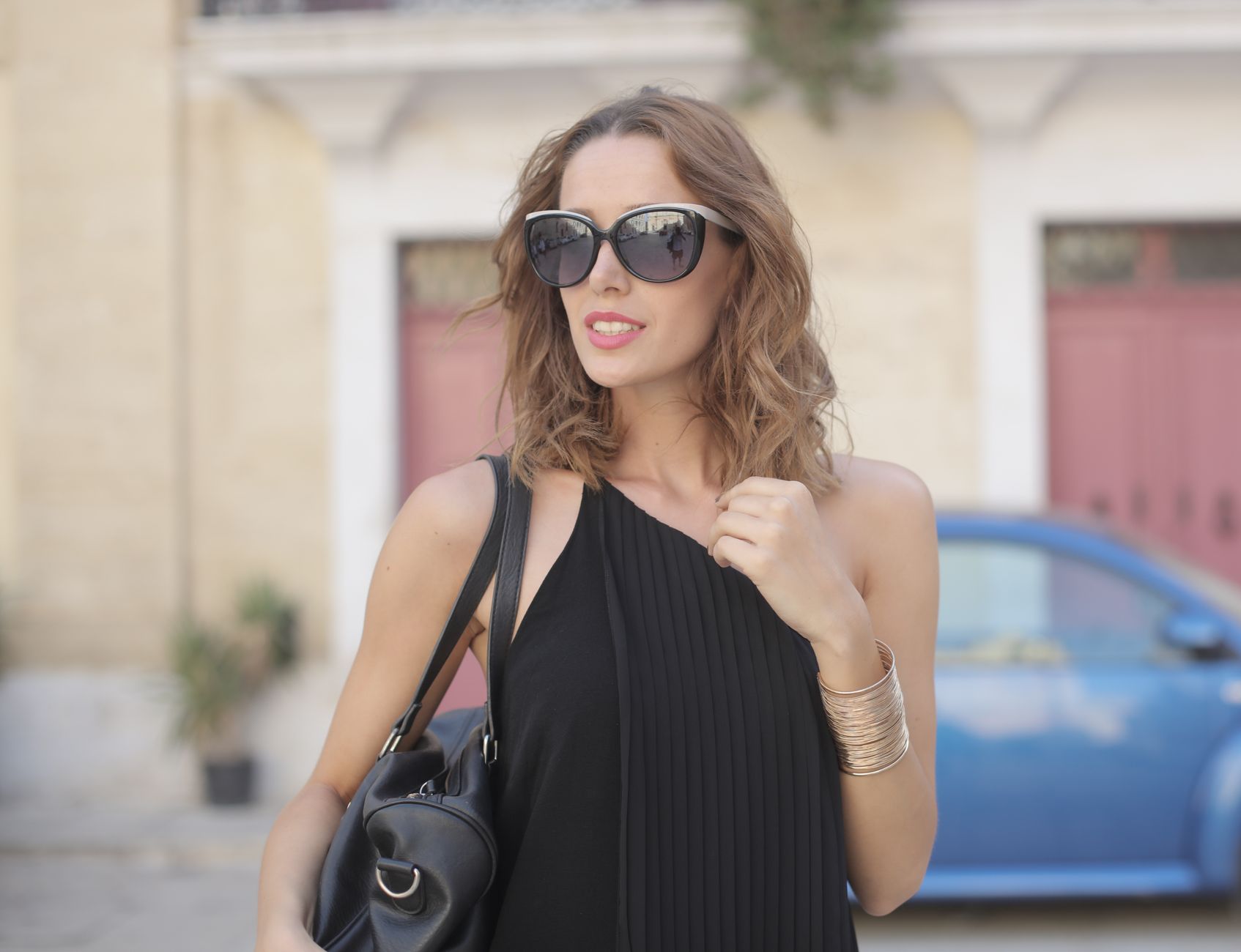
Photo: Bryan / Pexels
Get the Celebrity Look Under Rs 3000: A Smart Dupe Guide
Scroll through any star's Instagram and the price of a single outfit can cross a month's rent. A designer saree, a logo-stamped jacket, a pair of statement heels — the numbers feel designed to make ordinary shoppers feel locked out. They aren't. With a clear method and a budget cap, you can get the celebrity look under Rs 3000 and have most people assume you spent ten times that. The trick is knowing what actually makes an outfit look expensive, and where to buy the parts that fake it.
This is not about chasing fakes. A good fashion dupe copies the idea — the silhouette, the colour story, the fabric feel — without pretending to be a brand it isn't. Done right, it is one of the smartest skills a value-conscious dresser can own.

What a Dupe Really Is (and Isn't)
First, the line that matters. A dupe is an inspired-by piece: a wide-leg trouser that mimics a runway cut, a satin slip that echoes a red-carpet gown, a chunky gold chain that channels a celebrity's neckline. It is completely legal and completely above board.
A counterfeit is different and best avoided entirely. That is a garment carrying a real brand's logo or monogram, sold to trick you into thinking it's genuine. It is illegal, the quality is usually poor, and it funds shady supply chains. The whole point of dupe culture is that you don't need the logo — you need the look.
Think of it this way: nobody on the street can tell whether your tailored black blazer cost ₹1,200 or ₹12,000. They can only see how it sits on your shoulders.
Why Cheap Clothes Can Look Expensive
The single biggest myth in fashion is that price equals polish. It doesn't. Stylists who dress celebrities will tell you the same handful of factors do most of the heavy lifting, and almost none of them are about cost.
- Fit above everything. A perfectly fitted ₹500 shirt outclasses an ill-fitting designer one every single time. The garment must end where it's meant to and skim the body without pulling.
- Tonal dressing. Wearing one colour head-to-toe in slightly different shades or textures — also called tone-on-tone — instantly reads as taller, sleeker and more deliberate.
- Fabric that behaves. Matte cottons, structured linens and heavy-drape rayons photograph richer than thin, shiny polyester. If a fabric looks plasticky in the shop light, it will look cheap in photos.
- Crease-free everything. Even budget linen looks luxe when it's steamed flat. A wrinkled premium kurta looks like you slept in it.
- One hero, rest quiet. Expensive-looking outfits usually have a single statement piece and let the rest stay plain. Loud-on-loud reads as costume.
Master those five and the actual rupee figure on your receipt almost stops mattering.
Where to Shop Under Rs 3000
India's affordable fashion ecosystem in 2026 is genuinely deep. Here's where each part of a celebrity-inspired outfit tends to come from, and roughly what it costs.
- Zudio — the runaway value champion, with most pieces between ₹199 and ₹999. Brilliant for trend-led basics: tonal tees, co-ord sets, blazers and slip dresses that mirror what's on the runway.
- Myntra and Ajio sale racks — brands like FabAlley and Indya regularly drop to around ₹499 during the big seasonal sales. A ₹2,500 jacket routinely falls to roughly ₹1,400 if you wait for an End-of-Reason or Big-Bold event.
- Meesho — the deepest-discount option for accessories, jewellery dupes and casual ethnic wear, often a few hundred rupees a piece.
- Amazon and Flipkart Fashion — reliable for footwear dupes, bags and the structured staples like white shirts and straight trousers.
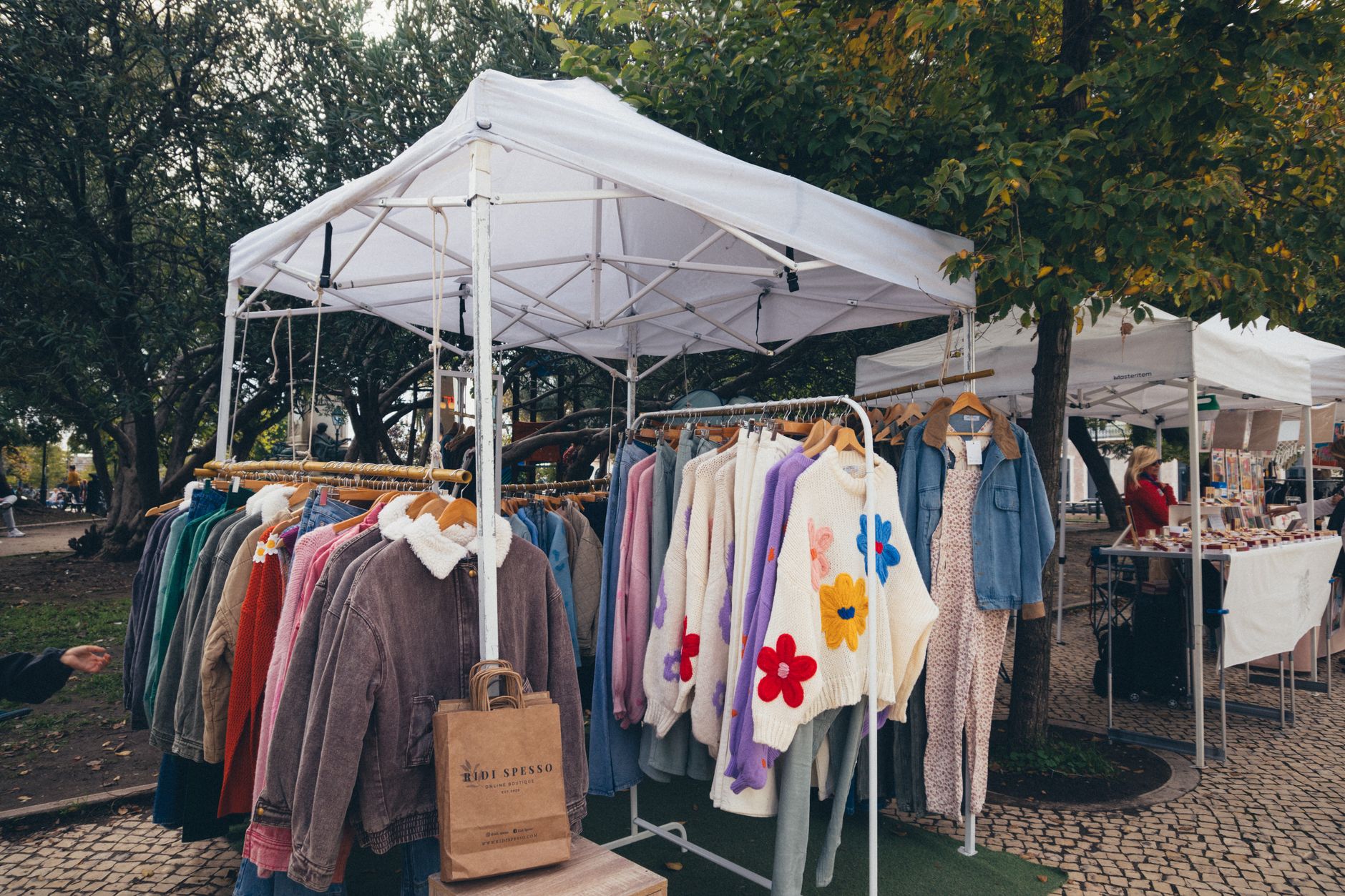
- Instagram thrift stores — the secret weapon for one-off vintage denim, oversized flannels and statement coats, frequently under ₹500, with the bonus that nobody else will own the same piece.
A realistic split for a full outfit might be: a ₹1,200 hero piece, a ₹700 bottom, ₹500 shoes, and ₹400 of accessories — a complete, photo-ready look comfortably inside the Rs 3000 ceiling.
How to Reverse-Engineer Any Red-Carpet Photo
The technology has quietly made this almost effortless. When you spot a look you love, you no longer have to describe it in a search bar and hope.
- Use reverse image search. Drop a clear photo of the outfit into Google Lens or a similar tool and it surfaces visually similar garments across shopping sites in seconds.
- Screenshot and keyword-search for ethnic wear. For a saree or lehenga, note the silhouette, the colour and one distinguishing detail — say "green organza ruffle saree" — and search that exact phrase on Myntra, Ajio and Meesho.
- Copy the formula, not the garment. Often the magic is the combination — a white shirt knotted over wide trousers, or a blazer thrown over a slip dress. Recreate the formula with pieces you already own or can buy cheaply.
The goal isn't to find the identical item. It's to find the closest affordable cousin and let your styling close the gap.
Pick Your Battles: Where to Spend, Where to Save
A smart ₹3,000 budget is not spread evenly. The eye notices certain things and ignores others, so put your money where it shows.
Worth a bigger share of the budget:
- The hero piece everyone will look at — the blazer, the dress, the jacket.
- Shoes, because scuffed or visibly cheap footwear undoes an entire outfit.
- One good bag, even a plain structured one, which anchors a casual look instantly.
Safe to go ultra-cheap:
- Plain tees and camisoles layered underneath — nobody clocks the brand.
- Trend pieces you'll be bored of in six months; never overspend on a passing fad.
- Costume jewellery, where a ₹200 gold-tone chain often photographs identically to fine gold.
This is exactly how stylists work: they splurge on the camera-magnet item and quietly fill the rest with high-street basics.
The Finishing Touches That Sell the Look
The last ten percent is what separates "nice outfit" from "wait, how much did that cost?" None of it is expensive — it's just effort.
- Steam or iron before stepping out. This is the cheapest upgrade in fashion and the most neglected.
- Tailor it. Spending ₹100–300 to nip a waist, shorten a hem or taper a trouser is the highest-return money in your whole budget.
- Mind the innerwear. The right slip or seamless base stops cheap fabric from clinging and bunching.
- Keep accessories disciplined. A single strong accessory — sunglasses, a watch, one bold earring — beats piling on five small ones.
- Groom the details. Clean shoes, a tidy bag and neat nails read as "expensive" far more reliably than any label.
Why This Matters Now
Dupe culture has shed its old stigma. In a year of stretched budgets and constant trend churn, dressing well without overspending has become aspirational in its own right — a flex of taste rather than wealth. Younger shoppers in particular treat finding the perfect affordable dupe as a skill to show off, not hide.
The shift also pressures the industry. As fast-fashion players and value brands like Zudio recreate runway looks within weeks, the gap between what a star wears and what an ordinary shopper can buy keeps shrinking. The catch, of course, is sustainability: buying cheap and often has a real environmental cost, so the wisest version of this game is to buy fewer, better-chosen dupes and actually wear them.
Get the formula right and the celebrity look stops being something you watch from the outside. It becomes a Saturday afternoon, a reverse image search, and a budget that never crosses ₹3,000.