Photo: Odin Reyna / Pexels
Dubbing Artists: The Hidden Voices Behind Pan-India Hits
When a Telugu or Tamil blockbuster opens in Hindi on the same Friday as its original, most viewers assume they're hearing the star on screen. They usually aren't. The voice booming through the hall belongs to a dubbing artist — a performer you'll never see, working in a soundproof booth weeks before release, matching every breath and pause to a face that isn't theirs. This invisible craft is what turned the pan-India wave from a gimmick into a business, and it's one of the least understood jobs in Indian cinema.
The stakes are real. A film can be a roaring hit in Telugu and land with a thud in the Hindi belt purely because the dub felt wrong. Get the voices right and a regional film conquers the whole country. Get them wrong and crores evaporate. Here's how the machine actually works, and why it matters more than the credits ever admit.

How a Telugu hit becomes a Hindi film
The day-and-date dubbed release is now standard. A big South film shoots once, then rebuilds its soundtrack in four or five languages — Telugu, Tamil, Hindi, Kannada, Malayalam — for simultaneous release. The visuals stay identical. Everything you hear gets remade.
The process runs roughly like this:
- Translation and adaptation. A writer reworks the dialogue so it carries the same meaning, lands the same punchlines, and crucially fits the actor's mouth movements. A literal translation almost never syncs.
- Voice casting. A dubbing director picks artists whose tone suits each character. The lead's Hindi voice is the single most important decision in the entire dub.
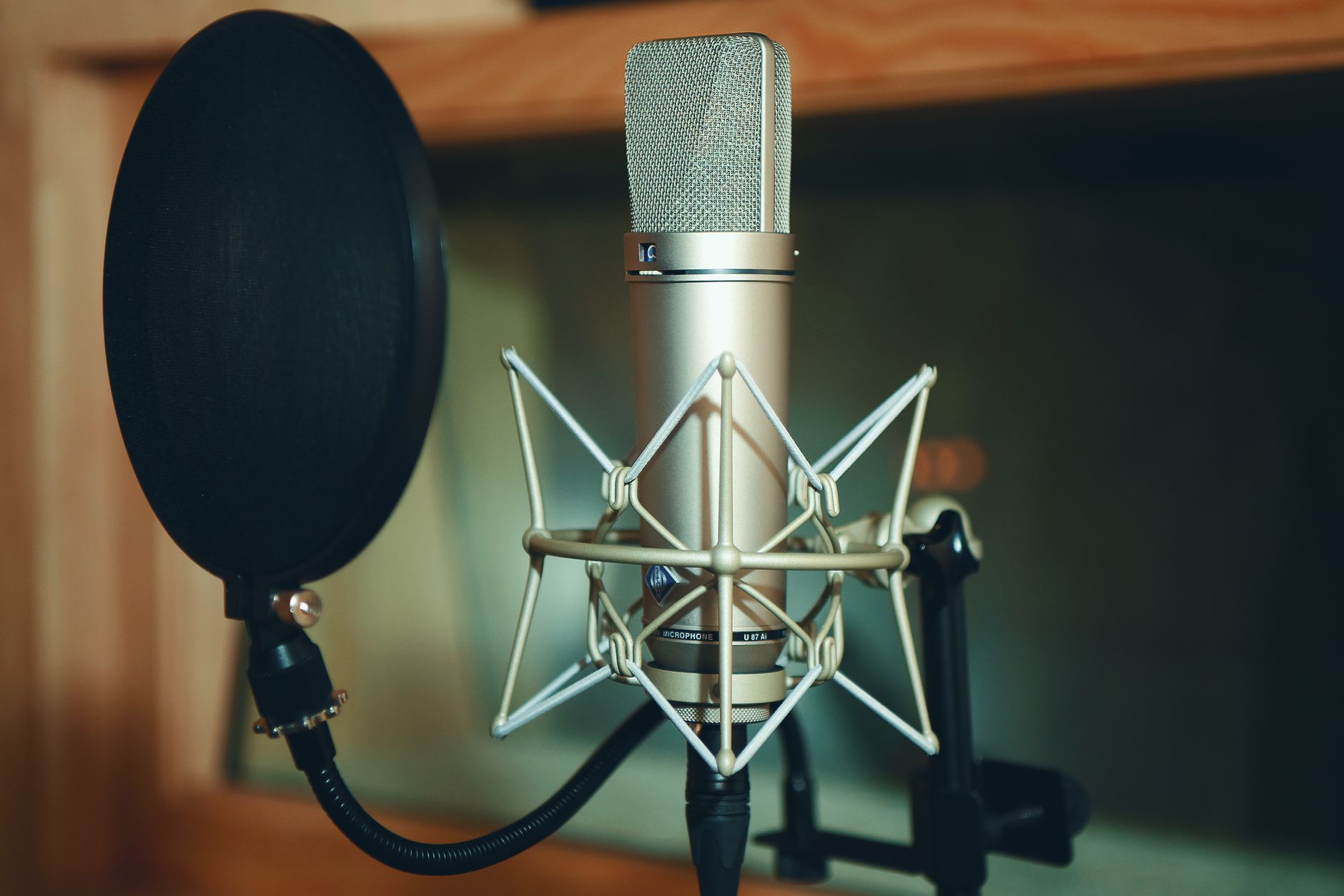
- Recording. Artists watch the scene on a loop and speak their lines to picture, line by line, until the lip-sync is tight.
- Mixing. The new dialogue is layered back with the original background score, sound effects and songs.
What audiences experience as one seamless performance is really two performers stitched together: the actor's body and a stranger's voice.

The art of matching lips, not just words
Good dubbing is far harder than reading lines aloud. The artist has to hit the same emotional beat as the on-screen actor while squeezing Hindi syllables into the timing of, say, a Telugu sentence. Languages have different rhythms. A short word in one can be a mouthful in another.
The craft lives in the small things. A sharp intake of breath before a threat. The wobble in a voice during a goodbye. The exact frame where a laugh tips into a sob. Lip-sync is the floor, not the ceiling — anyone can roughly match a mouth, but only a real performer can make you forget the voice was added at all.
This is why so many of India's finest dubbing artists are trained actors. They're not narrating; they're acting blind, reverse-engineering a performance they had no part in shooting.
The famous voices you've heard but never seen
The clearest proof of the craft's power is Baahubali. In the Hindi version, the towering, grave voice of Prabhas's Baahubali came from actor Sharad Kelkar, whose delivery became so identified with the character that many Hindi viewers can't imagine the film any other way. The original star's face, another performer's voice, one unforgettable hero.
It's a recurring pattern. Several South superstars have long-standing Hindi voices — the same artist dubbing the same actor across film after film, so audiences subconsciously associate that timbre with that face. When a studio swaps the voice between films, fans notice and complain, the way they would if a character were recast.
This continuity is a quiet asset. A consistent Hindi voice builds a star's brand in a market where he may not speak the language at all.
Why dubbing artists stay invisible — and underpaid
For all their importance, dubbing artists sit near the bottom of the pay and prestige ladder. A lead actor commands a fee in crores. The artist voicing him in another language is typically paid by the shift or by the project, often a small fraction of that, and frequently gets no prominent on-screen credit and no share of the film's success.
The gaps are structural:
- No standard contracts. Rates and credit vary wildly between studios and cities.
- No royalties. Unlike singers or writers, who won statutory royalty rights years ago, voice artists generally don't earn anything when a film runs for years on streaming or TV.
- Voice-cloning fears. As AI voice tools improve, artists worry their recorded voices could be reused or imitated without consent or fresh payment.
Industry bodies and unions have pushed for written agreements, on-screen credit and protection against unauthorised cloning. Progress is slow, but the bargaining position is improving as studios realise the dub can make or break a release.
When a bad dub sinks a good film
Dubbing is most visible when it fails. Audiences may not be able to name the problem, but they feel it: the words arrive a beat late, the voice is too thin for a hulking villain, a tender scene sounds like a phone announcement. The spell breaks, and a film that worked beautifully in its mother tongue suddenly feels cheap.
The common failure points are predictable:
- Lazy translation that's technically correct but tone-deaf, killing jokes and emotion.
- Mismatched casting, where the voice doesn't fit the actor's screen persona.
- Loose sync, the giveaway that instantly reads as 'foreign film badly dubbed'.
- Flat mixing, where dialogue sits awkwardly on top of the score instead of inside the scene.
This is why smart producers now treat the Hindi dub as a creative project in its own right, not an afterthought handed to the cheapest studio. They hire a dubbing director, audition voices for the lead, and sometimes start the work while the film is still shooting.
What this means for the next wave of pan-India films
The pan-India model isn't slowing down, and that makes the voice booth more central than ever. As Bollywood, Tollywood and the rest increasingly chase one nationwide audience, the quality of the dub is becoming a competitive weapon. A film with a great Hindi voice cast travels further and earns more.
Three shifts are worth watching. First, better pay and credit as artists organise and studios compete for the best voices. Second, AI dubbing, which promises faster, cheaper lip-synced translation but raises hard questions about consent, jobs and that ineffable human catch in a performance. Third, viewer expectations — audiences raised on slick dubbing are far less forgiving of a sloppy one.
Next time a South blockbuster lights up a Hindi multiplex, listen closely. The face is the star's. The story is the director's. But the voice that made you believe it — that belongs to someone whose name probably never reached the screen. They are the hidden cast of every pan-India hit, and the films would be unwatchable without them.