Why a 'World Cup 2026' FC 26 Livestream Is Pulling Huge Crowds
A virtual World Cup is filling the wait
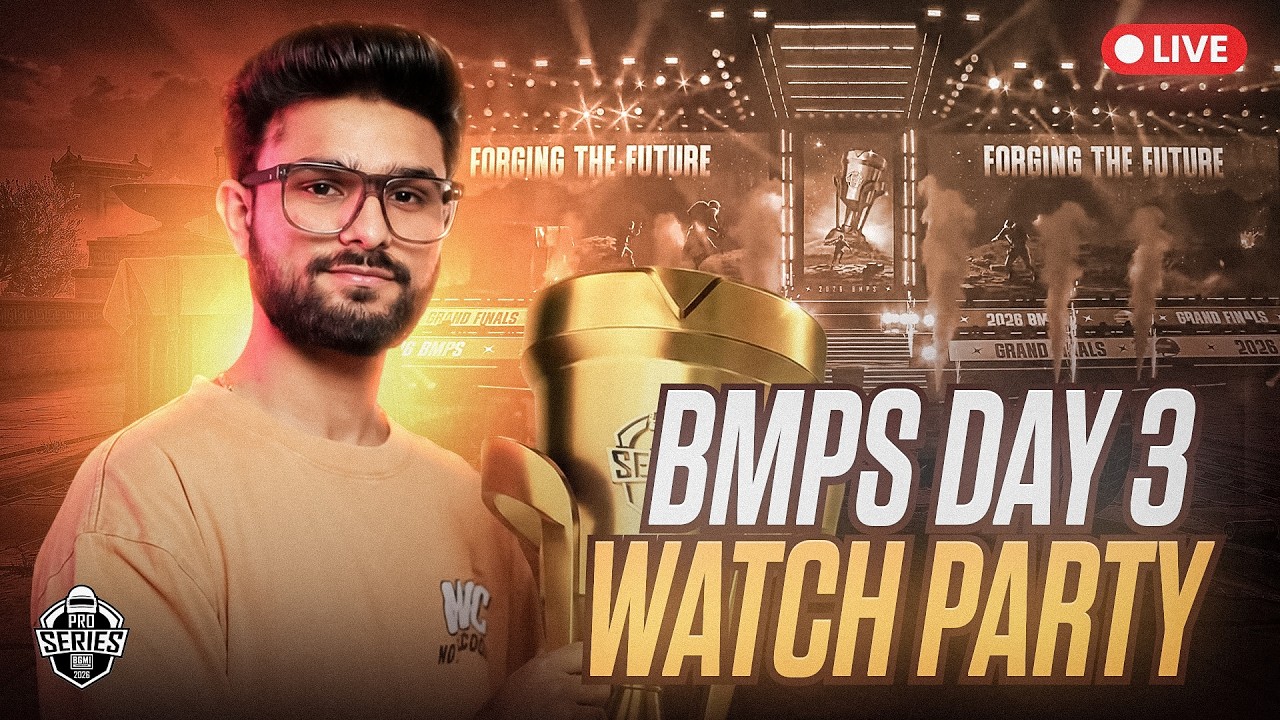
With the real tournament still months away, a live stream titled around EA Sports FC 26 and World Cup 2026 on a PS5 Pro has been pulling large, chatty crowds on YouTube. It is not match footage and it is not a leak. It is a video game, played live, dressed up as the global showpiece that football fans are already counting down to.
The appeal is simple once you sit with it. Supporters want the World Cup now, not in summer. A livestreamer firing up a 48-team bracket inside a console game gives them a taste of the fixtures, the upsets and the drama before a single real ball is kicked. The chat does the rest, turning a solo gaming session into a shared event.
What viewers are actually watching
These streams typically run a tournament mode or a custom bracket built to mirror the expansion to 48 teams. The host picks a nation, narrates the action, reacts to chat predictions, and grinds through group stages into knockouts across hours of continuous play. On a PS5 Pro the visuals are sharper and the frame rate steadier, which matters for a format where people stick around for a long sitting.
A few things keep eyeballs locked in:
- Stakes invented on the fly. Streamers run "India to the final" challenges, underdog runs, or chat-chosen line-ups that create suspense out of nothing official.
- Live reaction. A last-minute simulated winner lands very differently when thousands are watching at the same moment.
- Low barrier. No subscription wall, no ticket, no time-zone juggling. You open YouTube and you are in.
None of it is the real competition, and good streamers say so. The fun is precisely that it is a sandbox where the bracket can go anywhere.
Why EA Sports FC, not FIFA
Many casual viewers still call this "the FIFA game," and that confusion is worth clearing up. EA and football's governing body FIFA ended their decades-long licensing deal in 2022-23 after a dispute over money and rights. EA kept its real-club and league licences and rebranded the franchise as EA Sports FC, while FIFA said it would pursue its own separate game projects.
So the title trending now, FC 26, is the direct continuation of the series fans grew up with, minus the FIFA name on the box. The gameplay lineage is the same; only the branding changed. For a livestream built around a World Cup theme, the absence of the official FIFA tournament licence is part of why hosts lean on custom brackets and creative framing rather than a built-in, fully badged competition.
The real 2026 tournament is the engine behind the hype
This stream is riding a much bigger wave. The actual FIFA World Cup 2026 will be co-hosted by the United States, Canada and Mexico, and it marks a structural shift: the field grows from 32 to 48 teams, with more groups, more matches and more nations getting a shot than ever before.
That expansion is doing wonders for anticipation. More qualifying slots mean more countries with a live dream, which widens the audience well beyond the usual powerhouses. Every extra team is a fresh fan base scanning for content, and a game that lets them simulate their side's run is an easy outlet for that energy. The closer the draw and the schedule come into focus, the more these virtual previews multiply.
India's quiet boom in football-gaming streams
There is a specifically Indian story here too. Cricket dominates the country's sporting attention, but football gaming has carved out a loud, loyal niche online, and livestreams are its natural home.
Cheap mobile data and widespread smartphone access turned passive viewers into participants. A teenager in a small town can drop into a live FC 26 World Cup run, argue in the comments about whether Brazil or France should win it, and feel part of a community at midnight. The social layer is the product as much as the football is.
Several forces are pushing this along at once:
- Console and PC reach is widening, with the PS5 Pro signalling that high-end play is no longer a tiny enthusiast corner.
- Club fandom is rising, as European leagues built large Indian followings over the last decade.
- Watch-along culture works, the same instinct that powers reaction streams and co-watch sessions across YouTube.
For creators, a World Cup-themed marathon is a smart bet. It is searchable, it is timely, and it taps a calendar moment everyone already has circled.
What's really fuelling the views
Strip away the branding and the trend rests on a basic human itch: we like to rehearse the future. Sports fans run mental simulations constantly, predicting line-ups, scorelines and giant-killings. A livestreamed game turns that private habit into a public performance, complete with a scoreboard and a crowd.
There is also the comfort of the format. Long, low-stakes, ambient streams are easy to leave running in the background while you scroll, study or cook. You dip in for the goals and the chat banter, then drift out. That accessibility is exactly why a single broadcast can rack up a big concurrent audience without any of the cost or scheduling pain of the real event.
It helps that the gameplay itself has become genuinely watchable. Modern football games look close enough to a broadcast that a passing viewer might do a double take, and a confident host narrating the action sells the illusion. On capable hardware, the presentation does a lot of the persuading.
A note on accuracy
A word of caution for anyone arriving fresh: nothing in these streams is official. The results are produced by a video game and a player's choices, not by any match or draw. Brackets, team strengths and outcomes are whatever the host sets them to be, and they tell you nothing about how the real tournament will unfold.
That distinction matters because clips from such streams can be cropped and reshared without context, occasionally passed off as predictions or insider hints. Treat them as entertainment, not forecasting. The scorelines are as real as a chess engine playing itself.
What likely comes next
Expect a lot more of this as the calendar tightens. Once the real draw, fixtures and host cities lock in, creators will rebuild their virtual brackets to match the official structure, and a second, larger wave of World Cup simulation content will follow. Sponsorships and brand tie-ins tend to cluster around these moments, so the bigger streams may grow more polished and more frequent.
The deeper takeaway is about how fans now consume a tournament. The real World Cup will still command the biggest screens and the loudest rooms. But around it sits a parallel, always-on layer of gameplay, reactions and predictions that starts months early and never fully switches off. A live FC 26 "World Cup 2026" run on a PS5 Pro is a small, telling sign of that shift, fans refusing to wait, and building their own version of the spectacle in the meantime.