Photo: Avinash reddy Kosna / Pexels
FASTag Annual Pass: Is the Rs 3,075 Toll Plan Worth It in 2026?
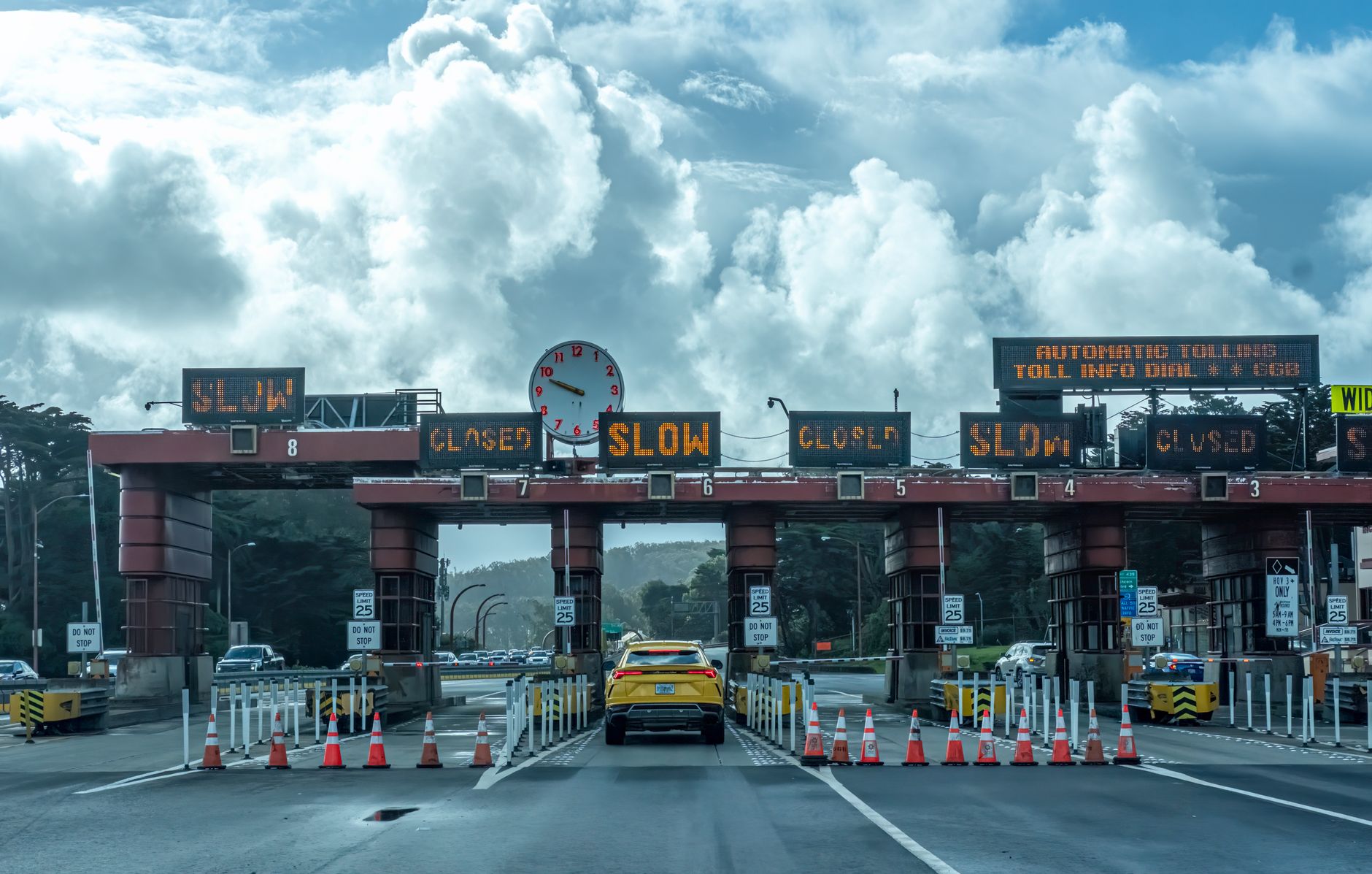
If you drive on national highways with any regularity, the small beep at the toll plaza has quietly become one of the steadier drains on your monthly fuel-and-travel budget. Since 15 August 2025, there has been an alternative: a FASTag Annual Pass that lets private cars cross national toll plazas without a per-trip charge. It started at Rs 3,000 and now costs Rs 3,075 after a revision on 1 April 2026. The scheme has clearly struck a nerve, but whether it actually saves you money depends on details that get lost in the headlines. Here is a clear-eyed look at how it works, who benefits, and where it quietly stops working.
What the pass actually is
The FASTag Annual Pass is not a new sticker or a separate device. It is an add-on that sits on top of the FASTag you already have stuck to your windshield. Once you activate it, the tag stops deducting the usual fee at eligible toll plazas and instead lets you pass for free, up to a fixed ceiling. That ceiling is 200 trips or one year from the date of activation, whichever comes first. Cross your 200th trip in eight months, and the pass simply switches off; the tag reverts to normal pay-per-use tolling and you can buy a fresh pass if you want one.
The pass is meant strictly for private, non-commercial vehicles — cars, jeeps and vans on a white number plate. Taxis, buses, trucks, lorries and two-wheelers are not eligible. It is also tied to a single vehicle: the pass is non-transferable and locked to the registration number linked to your FASTag, and using the tag on a different vehicle can get it deactivated. In other words, this is a household-car product, not a fleet hack.
The maths: when it pays for itself
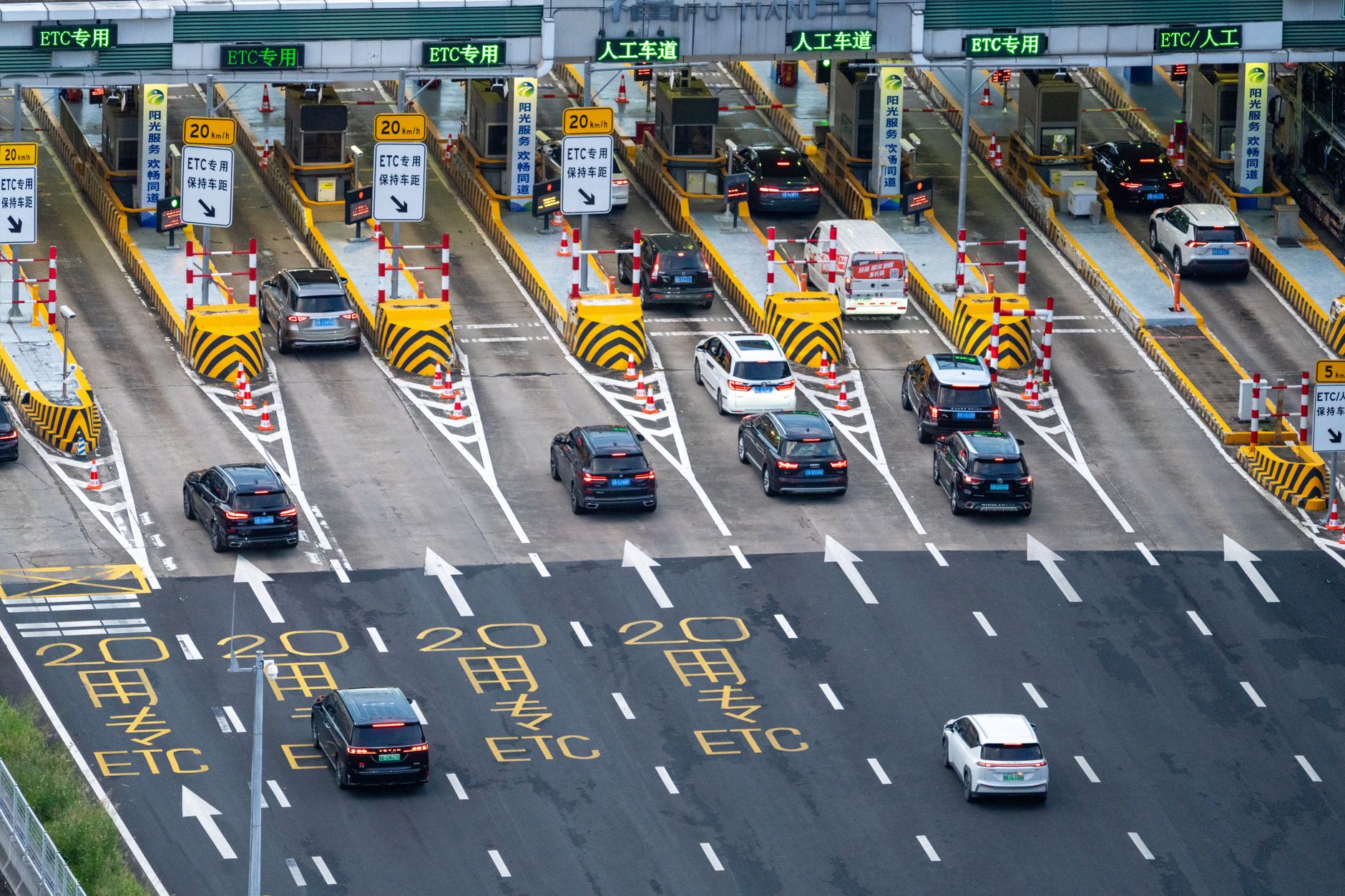
The entire case for the pass rests on one number: how many times a year you cross a national toll plaza. The government's own framing pegs the average toll at roughly Rs 70 to Rs 80 per crossing on the affected stretches. At that rate, the Rs 3,075 fee works out to roughly 40 to 44 crossings before you break even. Anything beyond that is effectively free travel, which is why the authorities like to say the effective cost per trip can fall to around Rs 15 to Rs 20 once you spread the fee across a full 200 trips.
So the honest answer to "is it worth it?" is arithmetic, not opinion. If you cross national highway plazas more than about three or four times a month — a daily-ish commute that passes a plaza, frequent intercity runs, weekend trips to a hometown or a hill station — the pass almost certainly pays for itself, often several times over. If your toll crossings are occasional, a handful of long holidays a year, you may never reach break-even and the regular pay-as-you-go FASTag remains the smarter choice. Before buying, it is worth pulling up your FASTag transaction history from the past year and simply counting the national-highway deductions.
How a 'trip' is counted — read this carefully
This is where many buyers get tripped up, because a "trip" is not the same thing as a journey. The counting depends on the type of plaza.
At point-based plazas — the common standalone toll booths — each crossing in one direction counts as one trip. Drive out past the plaza and drive back through it the same evening, and that round trip eats two of your 200 trips. At closed-tolling stretches, where you pick up an entry point and pay based on distance at the exit, a full round trip through that system is counted as a single crossing. The practical takeaway: if your routine involves repeatedly bouncing back and forth through one standalone plaza, your 200 trips will deplete faster than you might assume, so factor that into the value calculation rather than picturing 200 separate holidays.
Where the pass does NOT work
This is the single most important caveat, and the one most likely to leave a driver fuming at a booth. The Annual Pass is valid only at fee plazas on National Highways and National Expressways managed by the central authority (NHAI). A large number of busy, expensive toll roads in India are run by state agencies or special development bodies — and those are completely outside the scheme.
The excluded list includes some of the most-used roads in the country: the Yamuna Expressway (run by YEIDA), the Mumbai–Pune Expressway (operated by MSRDC), the Atal Setu sea link in Mumbai, and a clutch of Uttar Pradesh expressways such as the Purvanchal, Bundelkhand and Agra–Lucknow corridors, among other state toll roads. On any of these, your pass is irrelevant: the toll is still deducted from your normal FASTag wallet balance exactly as before. So a Delhi resident who imagines the pass covering a Noida-to-Agra dash via the Yamuna Expressway is in for a surprise — the central plazas are covered, the state expressway is not. Always check who operates a given stretch before counting on the pass there, and keep enough balance in your FASTag for the gaps.
How to get it — and how fast it switches on
Activation is deliberately kept light. You do it online through the Rajmarg Yatra app or the NHAI website (the Ministry of Road Transport and Highways routes it through these official channels). You log in with your mobile number, enter your existing FASTag ID and vehicle details, and pay the Rs 3,075 digitally. After the system verifies that your tag is active and correctly linked to your vehicle registration number, the pass typically activates within about two hours, and you get an SMS confirmation.
A few housekeeping points are worth internalising. Your FASTag must be properly affixed to the windshield and tied to the correct registration number — a tag held loosely in the glovebox or linked to the wrong vehicle invites trouble. And because the pass is single-vehicle, there is no sharing it across the family's second car; each car that needs one buys its own.
A scheme that has clearly landed
The uptake numbers suggest this filled a real gap. Within roughly seven months of launch, the government reported that the Annual Pass had crossed about 56 lakh users and logged in the region of 26.55 crore transactions — a fast ramp for a product that did not exist before August 2025. By early 2026, officials said close to 28 percent of all car transactions on the national highway network were running through the Annual Pass rather than standard per-trip tolling.
The geography of adoption is revealing too. Some commuter-heavy plazas have tipped overwhelmingly toward the pass — the Bijwasan plaza in the Delhi NCR region reportedly saw a majority of its car crossings using it. Across states, Chandigarh, Tamil Nadu and Delhi emerged among the heaviest users. That pattern fits the maths: the pass rewards people who cross the same national plazas again and again, which is exactly what dense commuter and intercity corridors produce.
The bottom line for Indian drivers
The FASTag Annual Pass is neither a universal money-saver nor a gimmick — it is a high-value deal for one specific kind of driver and largely pointless for another. If you are a frequent national-highway user whose routine crosses central plazas dozens of times a year, Rs 3,075 buys both predictable budgeting and the small daily relief of not watching money vanish at every booth. If you drive mostly within a city, or your travel leans on state expressways like Yamuna or Mumbai–Pune, the pass will quietly fail to help you where you most expected it to.
The smart move is unglamorous: spend ten minutes with your FASTag statement, count your national-highway crossings over the last twelve months, subtract the trips that happened on state-run roads, and see whether the remainder clears 40-odd crossings. If it does, the pass is one of the cleaner value buys in Indian motoring right now. If it does not, keep your regular FASTag topped up and revisit the decision next year. Either way, the choice should come from your own numbers, not from a launch-day headline.
Source: cleartax.in