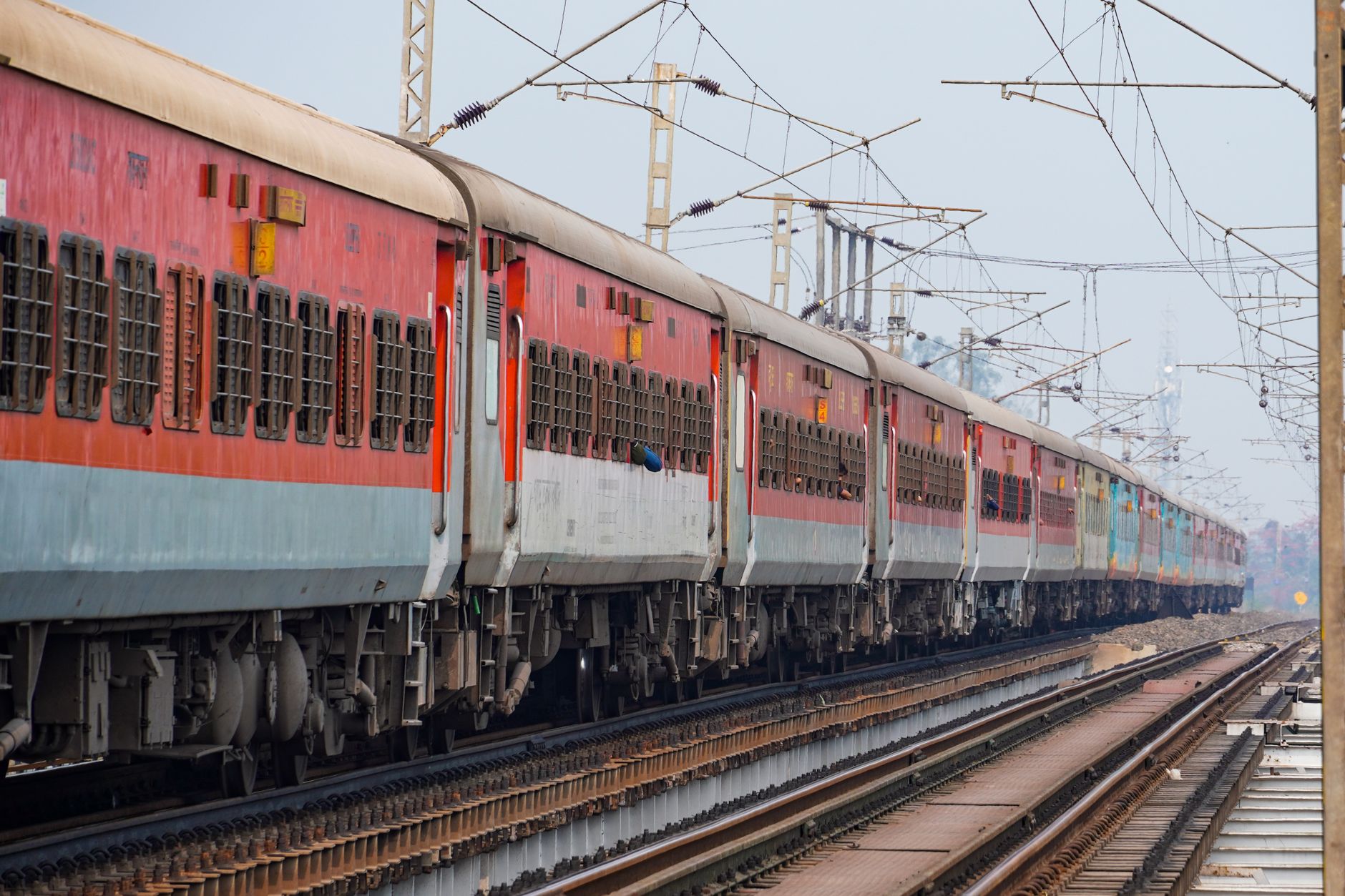
Photo: Aldrich / Pexels
Girmit: How a Million Indians Were Shipped Across the World
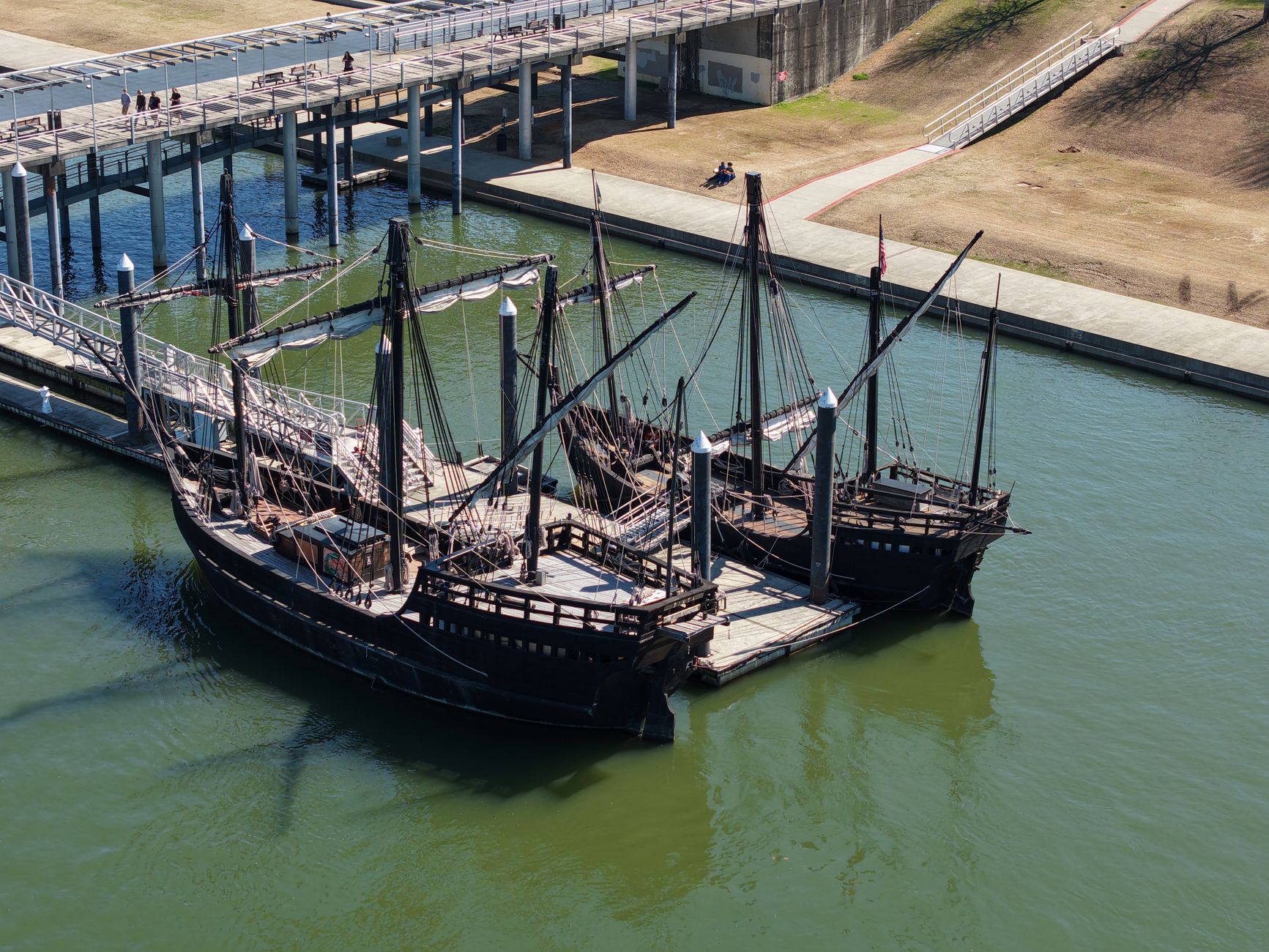
In 1834, a sailing ship called the Atlas slipped out of Calcutta carrying 36 men bound for the sugar plantations of Mauritius. They were among the first of a vast human cargo that would reshape the world: the labourers of the girmit system. Over the next eight decades, well over 1.6 million Indians would board similar ships, sign contracts they often could not read, and vanish across the oceans. Their story is one of the largest forced movements of people in modern history — and most Indians have never heard it told properly.
The word itself tells you everything about how it began. Recruiters spoke of an agreement, a printed contract promising work, wages and passage home. In the mouths of villagers from Bihar and the eastern Gangetic plain, agreement softened into girmit, and the people who signed became girmitiyas — "people of the agreement." It is a name born of a misheard English word, and today it is worn with fierce pride from Fiji to the Caribbean.

Why the ships started sailing
The timing was no accident. Britain abolished slavery across its empire in 1833, and the law took effect the following year. Overnight, the sugar colonies that had run on enslaved African labour faced ruin: who would cut the cane now?
The answer the planters found was India. Rather than buy human beings outright, they would hire them on fixed contracts — usually five years, with a path to a return passage after ten. On paper it was free labour. In practice it replaced one exploited workforce with another, and the colonial economy barely paused for breath. Indenture was, in many eyes, slavery wearing the costume of a contract.
Who they were, and how they were taken
The great majority of girmitiyas came from a single zone: the Bhojpuri belt of eastern Uttar Pradesh and Bihar, with a second stream of Tamil and Telugu workers recruited through Madras for colonies nearer the southern ports. Famine, debt and shrinking land pushed them toward the recruiting agent — the arkati — who roamed villages with tales of light work and good money in a faraway country.
Those tales were rarely honest. Many recruits had no idea how far they were going, or that the ocean crossing — the dreaded kala pani, the "black water" — would, by the beliefs of the time, cost them their caste and standing forever. They were marched to holding depots at Calcutta and, from 1902, Madras, examined like livestock, and packed below decks for voyages that could last months.
Where they ended up
The scale only becomes real when you follow the ships to their destinations. The numbers below are drawn from colonial emigration records and are approximate, but the pattern is unmistakable:
- Mauritius — by far the largest destination, taking close to half a million Indians; today their descendants form the majority of the island's population.
- British Guiana (modern Guyana) — well over 200,000 labourers for its sugar estates.
- Trinidad and Natal (South Africa) — roughly 150,000 each.
- Fiji — about 60,000 between 1879 and 1916, the last major colony to import them.
- Suriname, Jamaica, Réunion and smaller colonies — tens of thousands more, including those shipped under the Dutch and French.
Each of these communities became permanent. The five-year contract was meant to be temporary, but the promised return passage was expensive, often withheld, and for many simply never came. The girmitiyas stayed, married, farmed, and built temples and mosques on soil that had never known them.
Gandhi's first fight
Here is the twist most history books skip: the struggle against indenture launched the political career of Mahatma Gandhi. As a young lawyer in South Africa between 1893 and 1914, Gandhi saw the humiliation of indentured Indians at close range — the punishing taxes, the lash of plantation discipline, the contempt. His very first petitions were written on their behalf.
He was not alone. Gopal Krishna Gokhale denounced the system in India's legislative council, and a rising nationalist press hammered at its abuses, including notorious cases of women trapped and assaulted on the estates. The campaign worked. The government announced an end to fresh indentured emigration in 1917, though those still under contract had to serve out their terms, so the system only truly died around 1920. It was one of the Indian national movement's earliest concrete victories — won, fittingly, for Indians who had already been carried beyond India's shores.
A diaspora that came home to power
Follow the bloodlines and the payoff of this history is astonishing. The descendants of girmitiyas — now numbered in the millions — did not merely survive; they rose to run nations. Mahendra Chaudhry became Fiji's first Indo-Fijian Prime Minister. Cheddi Jagan led Guyana; Basdeo Panday became Trinidad's first Prime Minister of Indian origin. The Nobel laureate V. S. Naipaul turned his Trinidadian girmitiya inheritance into some of the finest English prose of the century.
That is why this is not a dusty footnote. When India today courts its global diaspora, a huge slice of that diaspora — across the Caribbean, the Indian Ocean and the Pacific — traces directly back to a thumbprint on a girmit contract. The Bhojpuri folk songs, the Holi celebrations and the Ramayana recitations still alive in Suriname or Trinidad are the cultural fossils of those nineteenth-century ships.
How to trace your own girmitiya ancestor
The most remarkable legacy of a brutal bureaucracy is that it kept records — and those records survive. The colonial state issued every labourer an emigration pass logging name, father's name, age, caste, home village, the ship and the year of departure. For families chasing their roots, this is gold. A practical path:
- Find the destination first. Ask which country the family migrated from — Mauritius, Fiji, Guyana, Trinidad or Suriname each has its own surviving archive.
- Search the digitised pass databases. Several countries and universities have indexed their emigration passes online; you can often search by ancestor's name or by ship name and arrival year.
- Use the ship as a key. If you know the vessel and rough date, the passenger registers can pinpoint the exact village in India.
- Cross-check the village. District and tehsil names on a 19th-century pass may have changed; matching them to modern maps in UP or Bihar often reveals living relatives.
- Record the oral history now. Songs, family nicknames and remembered village names from elders are frequently the missing link the documents can't supply.
The girmitiyas were sent away as anonymous labour units. Nearly two centuries on, the very paperwork meant to control them is what lets their descendants find the way back — to a name, a ship, and a village on the Ganga plain that once watched them leave.