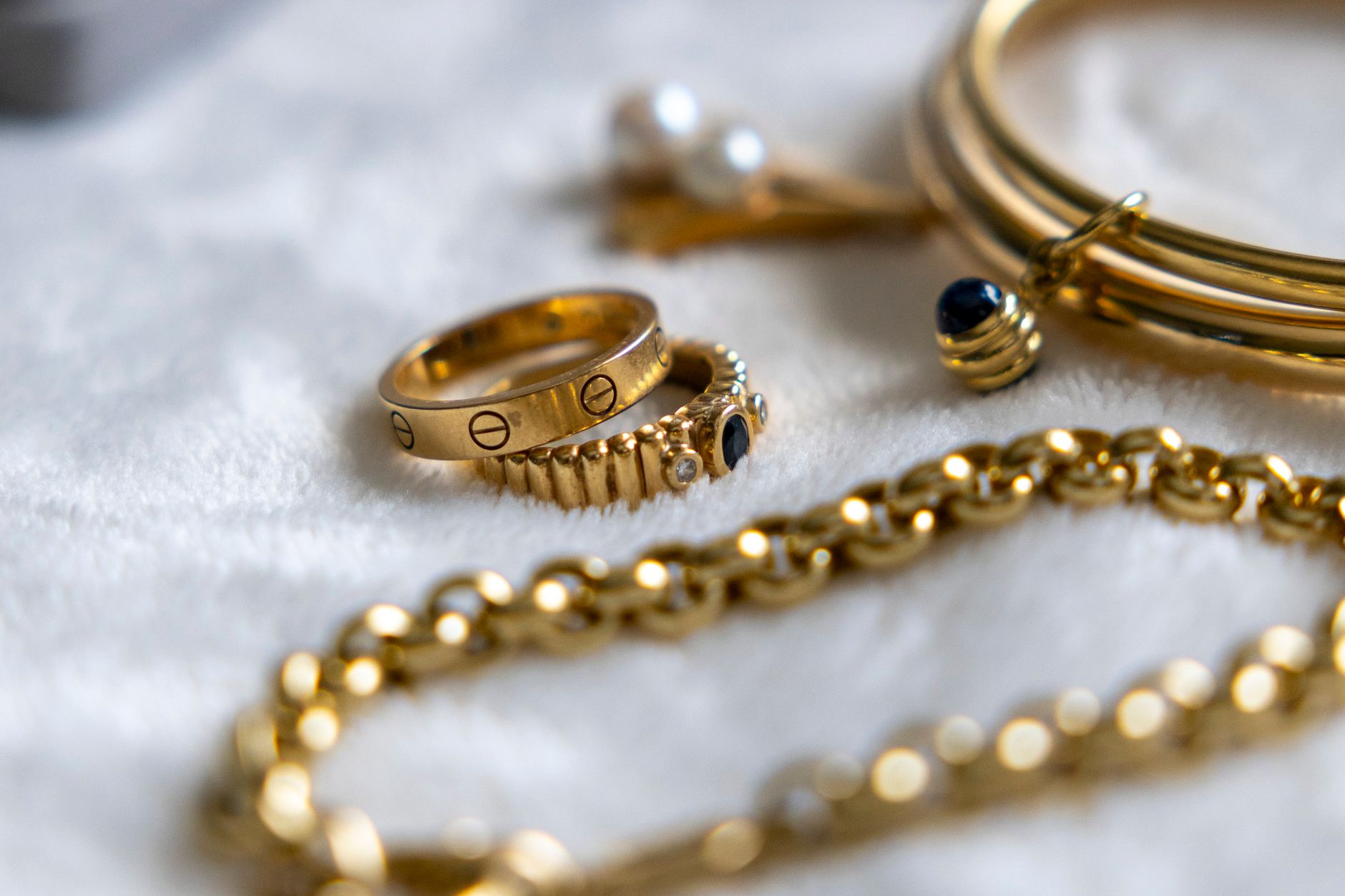
Photo: Stephen Leonardi / Pexels
Gold at ₹1.5 Lakh: 2026 Price Trend and the Gemstones to Buy
Gold has quietly done something extraordinary. In early June 2026, 24-carat gold is hovering around ₹1.5-1.56 lakh per 10 grams, with 22-carat near ₹1.42-1.43 lakh — roughly double what the same metal cost in 2024. For a country that buys gold by emotion as much as by gram, that is both a windfall for those who already own it and a genuine headache for the wedding and festival shopper. This guide breaks down the 2026 gold price trend, where the metal might head next, and the separate, far older question Indians ask every season: which gemstones are auspicious to buy this year.

Where the gold price stands right now
The headline number is the easy part. Day-to-day movement in early June 2026 has been small — gold has been consolidating near its highs rather than breaking out — but the year-on-year jump is dramatic. A piece of jewellery that cost a family a certain sum at the last big wedding now demands almost twice the outlay for the same weight.
A few things are worth remembering before you read any single rate as gospel:
- The 24K price is for pure investment-grade gold (coins, bars, ETFs). Jewellery is usually 22K, which is cheaper per gram because it's alloyed for strength.
- On top of the metal you pay 3% GST and making charges, which can run anywhere from 8% to 25%+ depending on the design and the jeweller.
- City rates differ slightly, and the price you see online is often before taxes. The board rate at the shop is what actually matters.

Why gold doubled — and what's driving 2026
This is not a sentiment-only rally. The forces behind gold's surge are structural, which is why so many analysts are reluctant to call a top.
Central banks have been buying gold aggressively to diversify away from the dollar, and that demand has been remarkably steady. Add persistent worries about inflation, a wobbly geopolitical backdrop — from the Gulf and Hormuz tensions to broader trade friction — and a weaker rupee that inflates the local price even when global gold is flat. When the currency you earn in slides against the dollar, imported gold automatically costs more in rupees.
India's own appetite tells the story in value terms. Even as jewellery volumes softened under the weight of high prices, the rupee value of demand has hit records, with investment buying through bars, coins and ETFs picking up the slack from heavier ornaments.
How high can gold go in 2026?
Forecasting precious metals is a humbling exercise, so treat every target as a scenario, not a promise. That said, the big houses are leaning bullish.
Several global institutions see a further 20-30% upside for gold through 2026, with international targets clustering around the $4,900-5,000 an ounce mark by year-end and some longer-term calls reaching higher. Translated to the local market, a number of Indian analysts float a ₹1.8-2 lakh per 10 grams range as plausible during the year.
The honest caveat: gold that has doubled can also correct hard and fast. A surprise easing of geopolitical stress, a stronger dollar, or aggressive profit-taking could knock 10-15% off in weeks. If you're buying, stagger your purchases rather than committing a lump sum at a record high, and keep gold to a sensible slice — many planners suggest 10-15% — of your overall savings.
Don't ignore silver — it's outrun gold
The quieter, wilder story of this cycle is silver. After a blistering run, silver has pushed into genuine price-discovery territory, and the reason is industrial, not just monetary. Solar panels, electronics and AI-driven data-centre build-outs are devouring silver faster than mines can supply it, producing a multi-year structural deficit.
Global desks have floated targets near $110 an ounce for the second half of 2026, citing a real shortage of metal available for immediate delivery. The catch for buyers: silver is roughly twice as volatile as gold, so the same forces that send it screaming higher can reverse it just as violently. It is a trader's metal as much as a saver's.
Which gemstones are auspicious to buy in 2026?
Now the question that arrives every season alongside gold: which gemstone should one buy? In Vedic tradition, the Navratna — nine sacred stones — each channel one of the nine planets (Navagraha). The list runs: ruby (Sun), pearl (Moon), red coral (Mars), emerald (Mercury), yellow sapphire (Jupiter), diamond (Venus), blue sapphire (Saturn), hessonite (Rahu) and cat's eye (Ketu).
The single most important truth, which no jeweller's marketing will tell you, is this: the right stone for you is decided by your birth chart (kundli), not by the year. A gem that strengthens a benefic planet in one person's chart can amplify a malefic one in another's. There is no universal "lucky stone for 2026."
That said, 2026's planetary backdrop is worth knowing, because it shapes what astrologers are recommending:
- Yellow Sapphire (Pukhraj) — ruled by Jupiter, which becomes exalted in Cancer from June 2026. With Jupiter strong, many astrologers highlight Pukhraj for wisdom, growth and marital prospects — but only if Jupiter is well-placed for you.
- Blue Sapphire (Neelam) — ruled by Saturn, the fastest-acting and riskiest stone. With Saturn's Sade Sati affecting several moon signs this period, it's the most requested and the most dangerous to self-prescribe. Never wear it without testing.
- Emerald (Panna) — ruled by Mercury, favoured by those seeking sharper communication, study and business acumen.
- Ruby and Pearl — for the Sun and Moon, the steady classics for vitality and emotional balance.
How to buy a gemstone the smart way
Whether you treat gemstones as faith, heirloom or fashion, a few rules protect you from being overcharged or sold a fake:
- Consult first. A qualified astrologer should read your chart before you choose a stone. A reputable seller who pushes a specific gem without asking your birth details is a red flag.
- Demand a certificate. Insist on a report from a recognised gem lab confirming the stone is natural and untreated. Heated or glass-filled stones are common and worth a fraction of the price.
- Mind the metal and finger. Each gem has a traditional metal (gold for Pukhraj, silver or panchdhatu for others) and is meant to touch the skin.
- Don't mix clashing planets. Some combinations — Saturn and Sun stones together, for instance — are considered to work against each other, which is partly why an all-nine Navratna piece is seen as a safer balanced talisman for the uninitiated.
The bottom line
Gold in 2026 is doing what gold does in anxious times — climbing on fear, currency weakness and relentless central-bank buying, with respected forecasters seeing more room to run even after the price doubled. Buy it in instalments, hold it as insurance, not a lottery ticket. Silver offers more upside and more whiplash. And gemstones? Buy them for belief and beauty if you wish — but against a kundli and a lab certificate, never as an investment. In a year when both bullion and the heavens are in motion, the calmest buyer is usually the one who knows exactly why they're buying.


