Photo: Nothing Ahead / Pexels
How to Read an Indian Food Label and Spot the Tricks
Pick up almost any packet in an Indian supermarket and the front will shout at you: 'high protein', 'no added sugar', 'made with real fruit', '40% less fat'. Flip it over, and the small print tells a very different story. Learning to read an Indian food label properly is one of the highest-return ten-minute skills you can pick up — it changes what lands in your trolley for the rest of your life. Here is how to decode the back of the pack, and the tricks brands quietly rely on.

Start at the back, not the front
The front of the pack is marketing. The back is regulated information. So train yourself to ignore the glossy claims and go straight to two boxes: the nutrition table and the ingredients list.
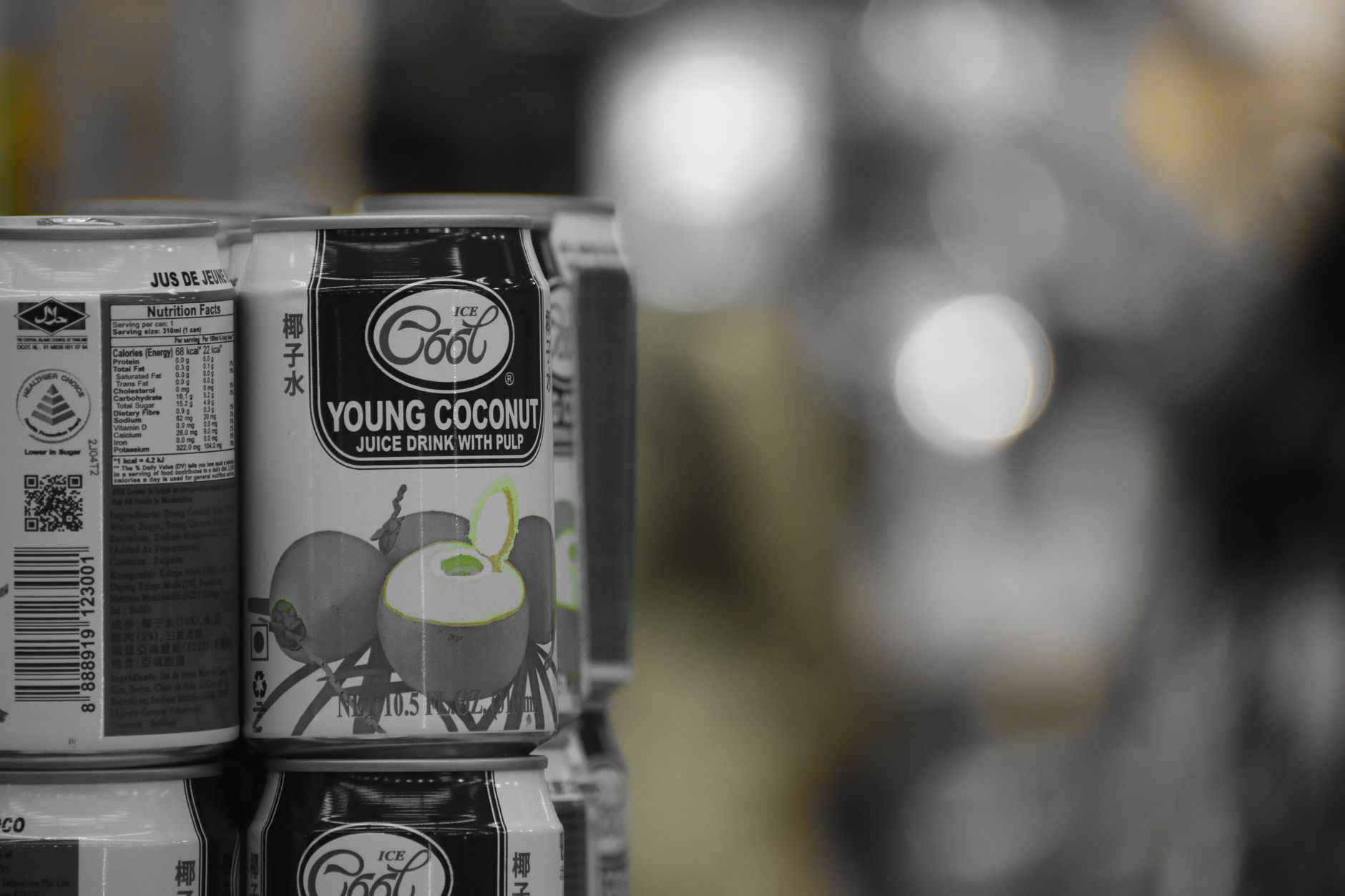
Under FSSAI rules, packaged food in India must declare energy, total fat, saturated fat, trans fat, total sugar, protein and salt — usually shown two ways: per 100g (or 100ml) and per serve. The per-100g column is your honest, like-for-like comparison tool, because it does not change with packet size. When you compare two biscuit brands, always compare the per-100g numbers, never the per-serve ones.
The 'per serve' trick that fools everyone
Here is the single most useful thing to internalise: the serving size is decided by the brand, not by you. And brands choose it carefully.
A chips packet you finish in one sitting may be split into '2.5 servings'. An ice-cream tub may declare a serving as a modest half-cup scoop. Sugary drinks sometimes label a serve as 200ml when the bottle holds 750ml. The aim is simple: shrink the serving so the per-serve sugar, fat and calorie figures look small and harmless.
So before you trust any per-serve number, ask one question: how much will I actually eat? Then do the multiplication. If a serve is 30g and you'll polish off the 90g pack, triple every figure in that column.
What the %RDA really tells you
Next to the numbers you'll often see a column called % contribution to RDA (Recommended Dietary Allowance). It looks reassuring — '12% of your daily sugar' sounds modest. But you need to know what that percentage is built on.
FSSAI calculates those percentages against a reference diet of 2000 kcal a day, 67g total fat, 22g saturated fat, 50g added sugar and 2000mg of sodium (about 5g salt). The problem is that the 50g added-sugar baseline is generous. The World Health Organization suggests keeping free sugars under 10% of energy, and ideally under 5% — roughly 25g, or about six teaspoons, a day for an adult. So a snack showing '20% of your daily sugar' may actually be eating up nearly half of the healthier limit. Treat the %RDA as a starting point, not a verdict.
Three quick conversions worth memorising
Once you know a few mental shortcuts, labels stop being abstract. Keep these three handy:
- Sugar to teaspoons: divide the sugar grams by 4. A drink with 32g of sugar is 8 teaspoons — picture spooning that into a glass.
- Sodium to salt: multiply sodium by 2.5. A namkeen showing 800mg sodium per serve is 2g of salt, and you'll likely eat more than one serve.
- Energy reality check: roughly divide calories by your meal budget. If a 'light' snack is 250 kcal, that's a real chunk of a 1,800–2,000 kcal day, not a freebie.
Decoding the ingredient list and the claims
The ingredients list is printed in descending order of weight — whatever comes first is what there's most of. If sugar, refined flour (maida), palm oil or a sweetener sits in the top three, the 'healthy' badge on the front deserves suspicion.
Sugar also hides behind many aliases. Watch for invert sugar, maltodextrin, dextrose, fruit juice concentrate, glucose syrup and 'liquid glucose' — they are all, functionally, added sugar. Listing them separately keeps any single one from topping the list, even when the total sugar load is high.
And be sceptical of the headline claims:
- 'No Added Sugar' means none was added in processing — the food can still be loaded with natural or hidden sugars. Always cross-check the total sugar line. FSSAI has already pulled up brands for misleading no-added-sugar messaging.
- 'Made with real fruit' can mean a tiny percentage; look for the actual fruit content if declared.
- 'Multigrain' is not the same as 'whole grain' — multigrain just means more than one grain, refined or not.
What's changing on Indian labels
The rules are tightening, partly because reading the fine print is so hard. FSSAI has approved a move to print the values for total sugar, saturated fat and salt — and their per-serve %RDA — in bold and a larger font, so the things most worth noticing literally stand out.
The bigger fight is over front-of-pack labelling. The much-discussed Indian Nutrition Rating (INR) — a half-star to five-star health score modelled on appliance energy ratings — was floated in a 2022 draft but is now being withdrawn for lack of consensus among stakeholders. In its place, momentum is building for blunter warning labels: in February 2026 the Supreme Court asked FSSAI to seriously evaluate clear front-of-pack warnings for products high in sugar, salt and saturated fat, the kind several countries already use. Until that arrives, the back-of-pack table is the most honest thing on the packet.
The 60-second label routine
You don't need to study every packet like an exam. Build a fast habit:
- Glance at the per-100g sugar and saturated fat to compare brands.
- Check the serving size and multiply up to what you'll really eat.
- Scan the first three ingredients for sugar, maida or palm oil.
- Convert sodium ×2.5 and sugar ÷4 to picture salt and teaspoons.
- Ignore the front-of-pack adjectives entirely.
Do that for a few weeks and it becomes automatic. The label isn't trying to help you eat well — it's a legal document a brand would rather you didn't read closely. Reading it anyway is the cheapest upgrade your diet will ever get.