Photo: ready made / Pexels
USB-C Is Now Law in India: What the Charger Mandate Means
If you have bought a phone, tablet or laptop in India recently, you may have noticed something quietly disappearing from the box: the odd, proprietary charging plug. That is not a coincidence. India's USB-C common charger mandate has moved from proposal to reality, and as of 2026 it is reshaping how almost every gadget you own gets powered. The headline change this year is that the rule no longer stops at phones — it is reaching laptops too.
This is one of those policy shifts that sounds dull but touches everyone. It affects the cable you reach for at a friend's house, the drawer of dead chargers in your home, and the mountain of electronic waste India generates every year. Here is what the law actually does, what it does not do, and how to make it work for you.
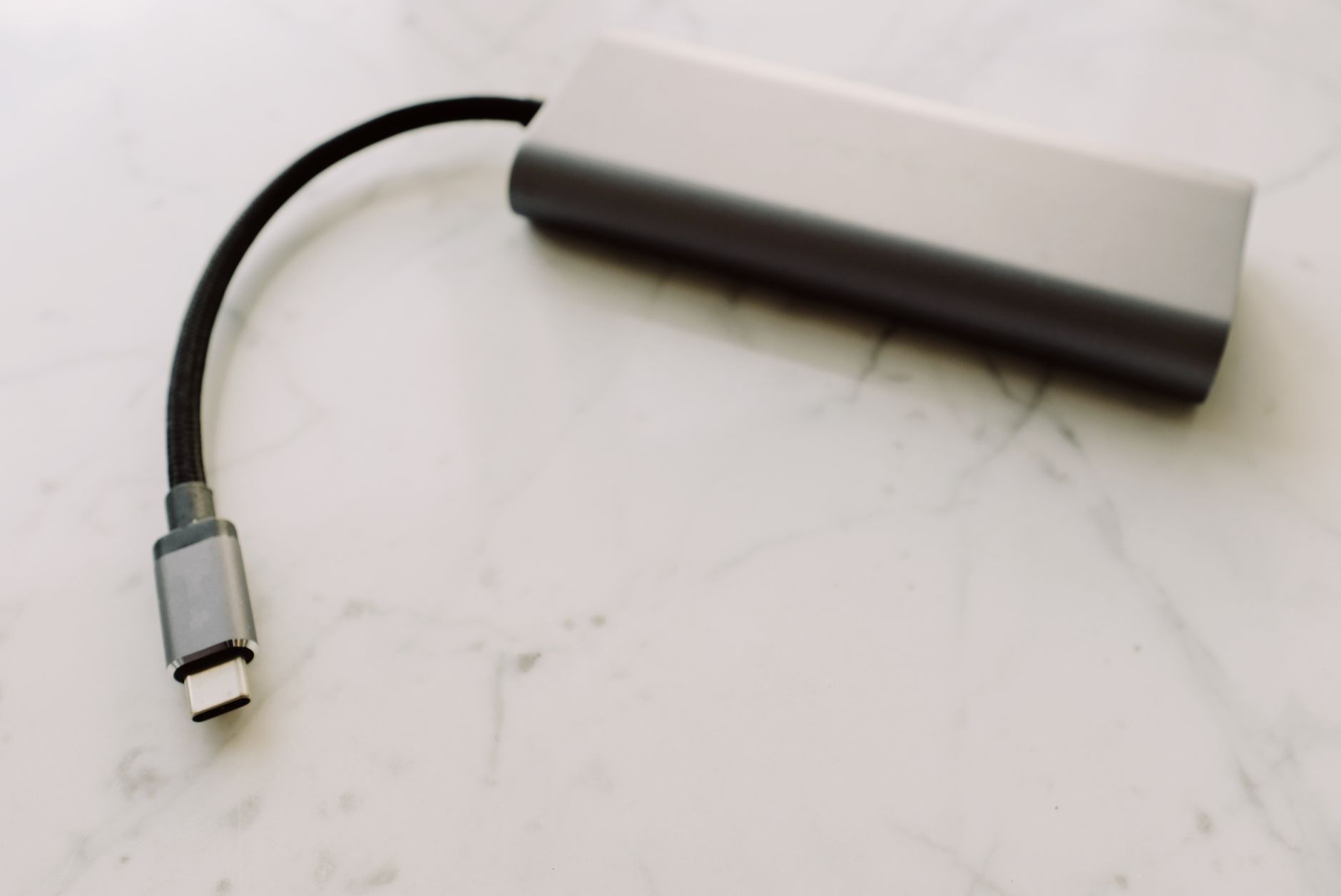
What the USB-C charger mandate actually requires
The core idea is simple. India is standardising on USB Type-C as the single charging port for a growing list of consumer electronics, closely mirroring the European Union, which kicked off the global push. Instead of every brand shipping its own connector, manufacturers must build the same universal port into their devices.
The rollout is phased, not overnight:
- Smartphones and tablets sold new in India already have to carry a USB-C port — that requirement landed around mid-2025.
- Laptops are next in line, with the industry expected to comply by the end of 2026.
- Smaller categories — basic feature phones, smartwatches, wireless earbuds and similar accessories — are exempt for now.
Indian standards bodies, working with the relevant ministries, adopted the technical specification so that "Type-C" sold here means the same thing it means abroad. The deliberate staggering gives device makers and their supply chains time to retool, rather than forcing a single hard cutover that could disrupt sales.
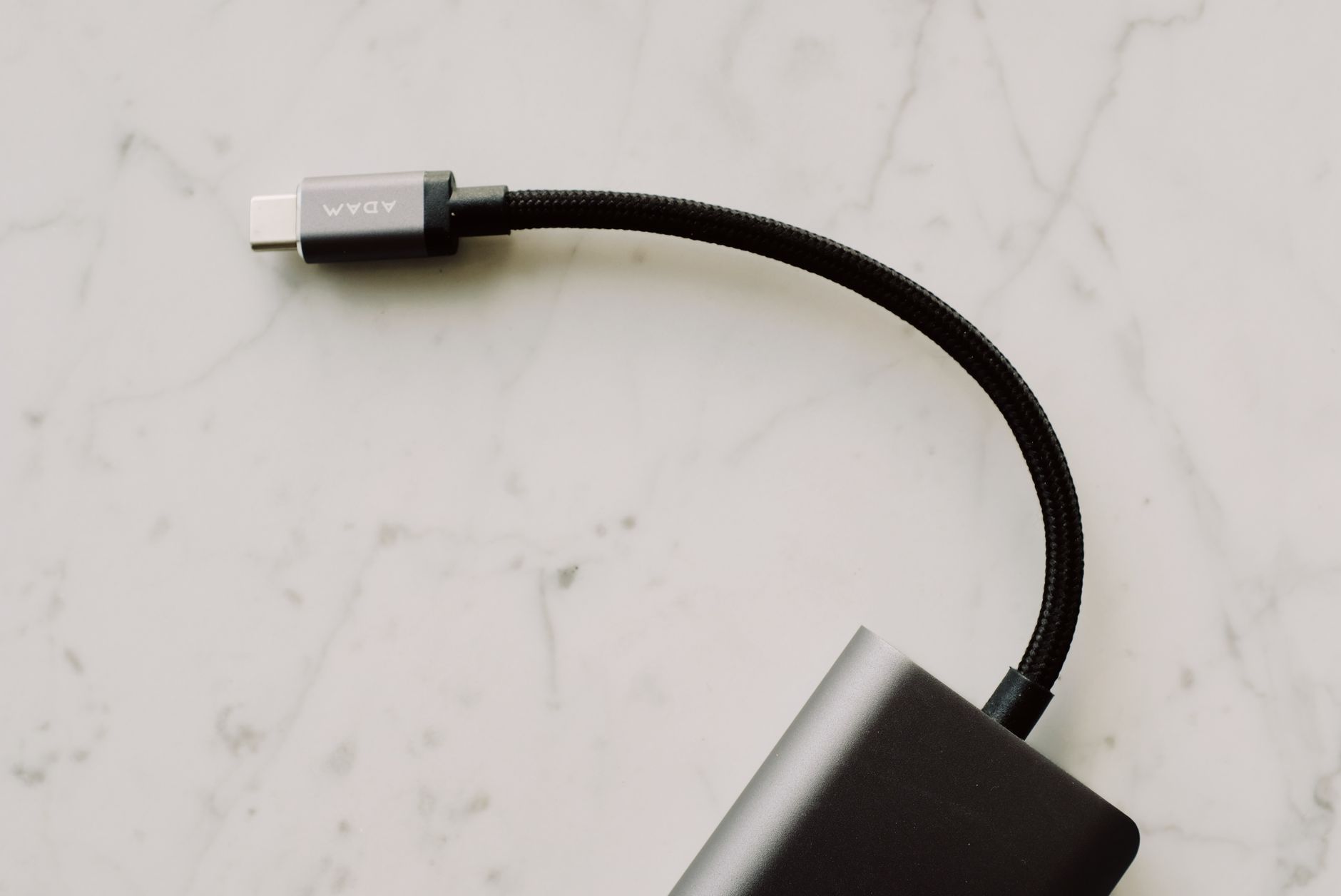
Why India bothered with a charger law
The most visible reason is e-waste. India is among the world's largest generators of electronic waste, and a meaningful slice of it is chargers and cables that get tossed simply because the next phone used a different plug. When every device speaks USB-C, you reuse one charger across many gadgets instead of accumulating a graveyard of incompatible bricks.
There is a consumer-cost angle too. For years, buyers paid — directly or indirectly — for a fresh charger with every device, even when they already owned five. A common standard lets manufacturers eventually unbundle the charger, and lets you say no to yet another adapter you do not need.
There is also a quieter strategic logic. India wants its devices to align with global norms so that products made or sold here fit seamlessly into international markets, and so that imported gadgets do not arrive with quirks that strand Indian users. Harmonising with the EU standard keeps India inside the mainstream of the electronics world rather than outside it.
What the law does NOT fix
Here is the catch that trips people up: the mandate standardises the port, not the performance. Two cables that both click into a USB-C socket can behave very differently.
Charging speed depends on the wattage, the cable's internal wiring, and the fast-charging protocol your device supports. A thin, unbranded USB-C cable might trickle power into a laptop that expects 65W or 100W, leaving you wondering why it charges so slowly. The connector being identical does not make the electrons flow at the same rate.
Data transfer is the same story. Some USB-C cables move data at blazing speeds; others are charge-only or painfully slow. The plug shape tells you nothing about what is happening inside the cable. So the universal port is a real convenience, but it is not a guarantee of universal capability — you still have to read the fine print on cables and adapters.
What it means for your phone, laptop and old chargers
For most people, the transition is already well underway and surprisingly painless. Apple moved the iPhone to USB-C back in 2023 with the iPhone 15, ending the Lightning era, and the vast majority of Android phones abandoned micro-USB years ago. So for phones, the mandate mostly mops up the long tail of stragglers rather than upending the market.
Laptops are where you will feel the 2026 shift most. Plenty of Windows laptops still ship with barrel-pin chargers — those round proprietary plugs unique to each brand. As the rule bites, expect new models to charge over USB-C, which means one cable can top up your laptop, phone and tablet, and a single high-wattage power bank can keep all three alive on a long train journey.
A few practical points worth holding onto:
- Your old gear is safe. The law governs what is newly sold, not what you already use. Micro-USB and Lightning devices keep working indefinitely.
- Buy quality cables. Since speed is not standardised, a good rated cable matters more than ever. Cheap ones can cap charging or even risk your device.
- Check the wattage, not just the plug. Match your charger's output to what your laptop or phone actually supports.
- You can decline bundled chargers where retailers offer phones without them, and reuse one you already own.
The exemptions that still leave a tangle of cables
The rule is not yet a clean sweep. The exemptions mean your earbuds, smartwatch and fitness band can still arrive with their own oddball connectors or magnetic pucks. Anyone who owns a few wearables knows that drawer of tiny, device-specific cables is not vanishing just yet.
This mirrors the global pattern. Even the EU, the trendsetter here, started with the bigger device categories and signalled it would broaden the net over time. The reasoning is partly technical — some ultra-small or waterproof gadgets are genuinely hard to fit with a standard port — and partly about giving makers room to adapt. The likely direction of travel, though, is wider coverage in future phases, squeezing out more proprietary plugs as the years pass.
What comes next
The near-term milestone is the laptop deadline at the end of 2026, after which buying a mainstream laptop with a brand-specific barrel charger should become the exception rather than the rule. Watch for manufacturers to lean into the convenience as a selling point — "charges with the same cable as your phone" is an easy pitch.
Longer term, two questions hang over the policy. First, whether India follows the EU in eventually pulling wearables and other small devices into the mandate, finally killing the last proprietary connectors. Second, whether regulators move beyond the port to nudge some consistency on charging standards themselves, so that a USB-C cable's behaviour becomes more predictable, not just its shape.
There is also the wireless wild card. As magnetic and wireless charging matures, a future debate may center on standardising that too, so the industry does not simply swap one fragmented mess of pads and coils for the tidy wired world it just cleaned up.
For now, the takeaway is refreshingly concrete. India has decided that one port should rule them all, your phone and tablet already obey, and your next laptop almost certainly will. Keep one good USB-C cable and a decent multi-port charger in your bag, and you are largely set for the gadgets of 2026 — proprietary plugs, and the e-waste they bred, are finally on their way out.