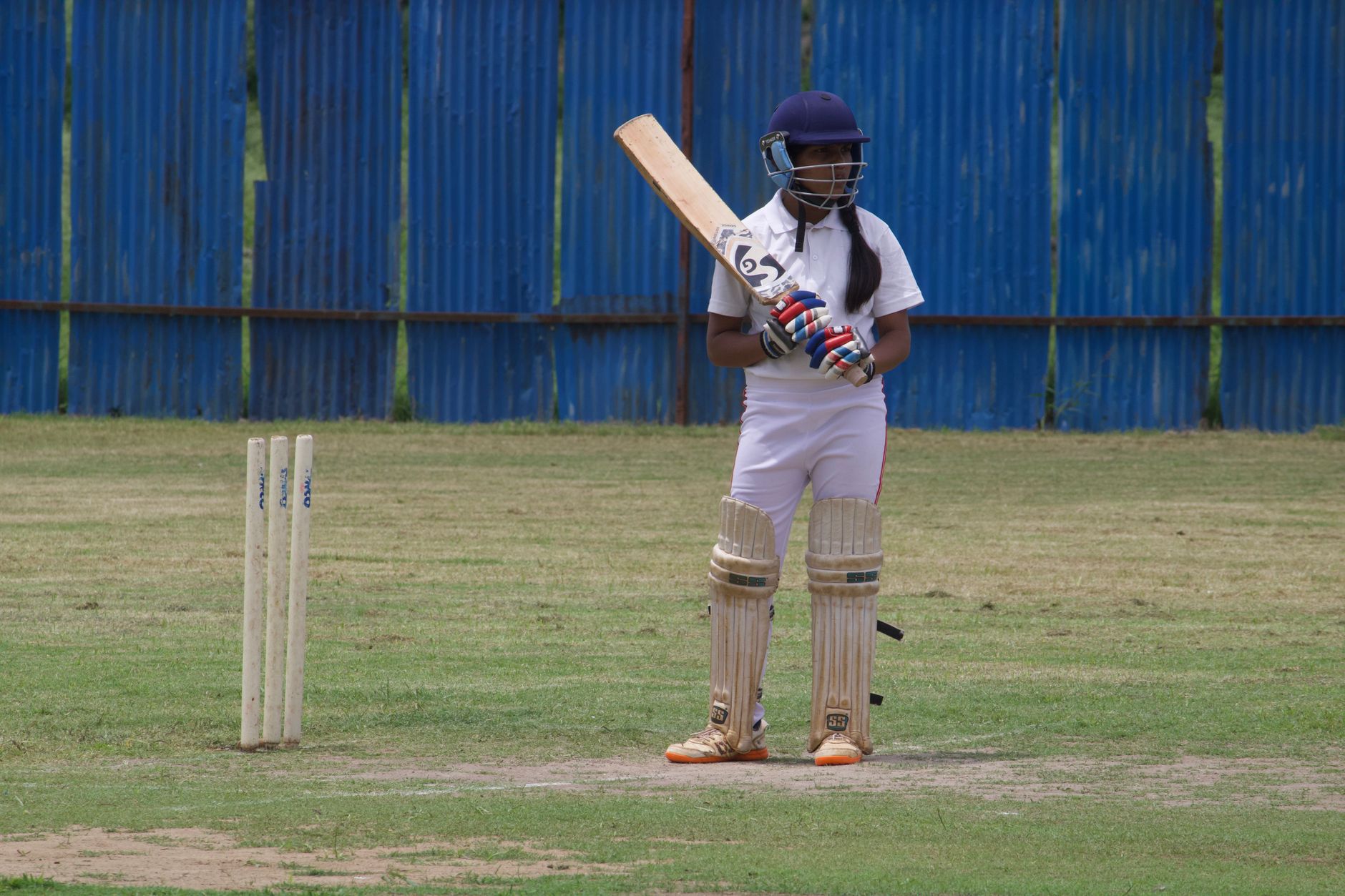
Photo: Engineer John / Pexels
Impact Player Rule: Why Rohit and Dhoni Want It Scrapped
Two seasons ago, a target of 200 felt like a wall. Now batting sides chase 250 without blinking, and the single biggest reason isn't bigger bats or shorter boundaries. It's a rule that quietly hands each franchise a 12th player. The Impact Player rule has reshaped how IPL teams are built, how matches swing, and — according to some of India's most decorated cricketers — how the game's most valuable role is slowly being squeezed out of existence.
If you've watched a match and seen a name appear in the XI that wasn't there at the toss, this is why. Here's how the mechanic actually works, where the fine print bites, and why Rohit Sharma and MS Dhoni would happily see it gone.
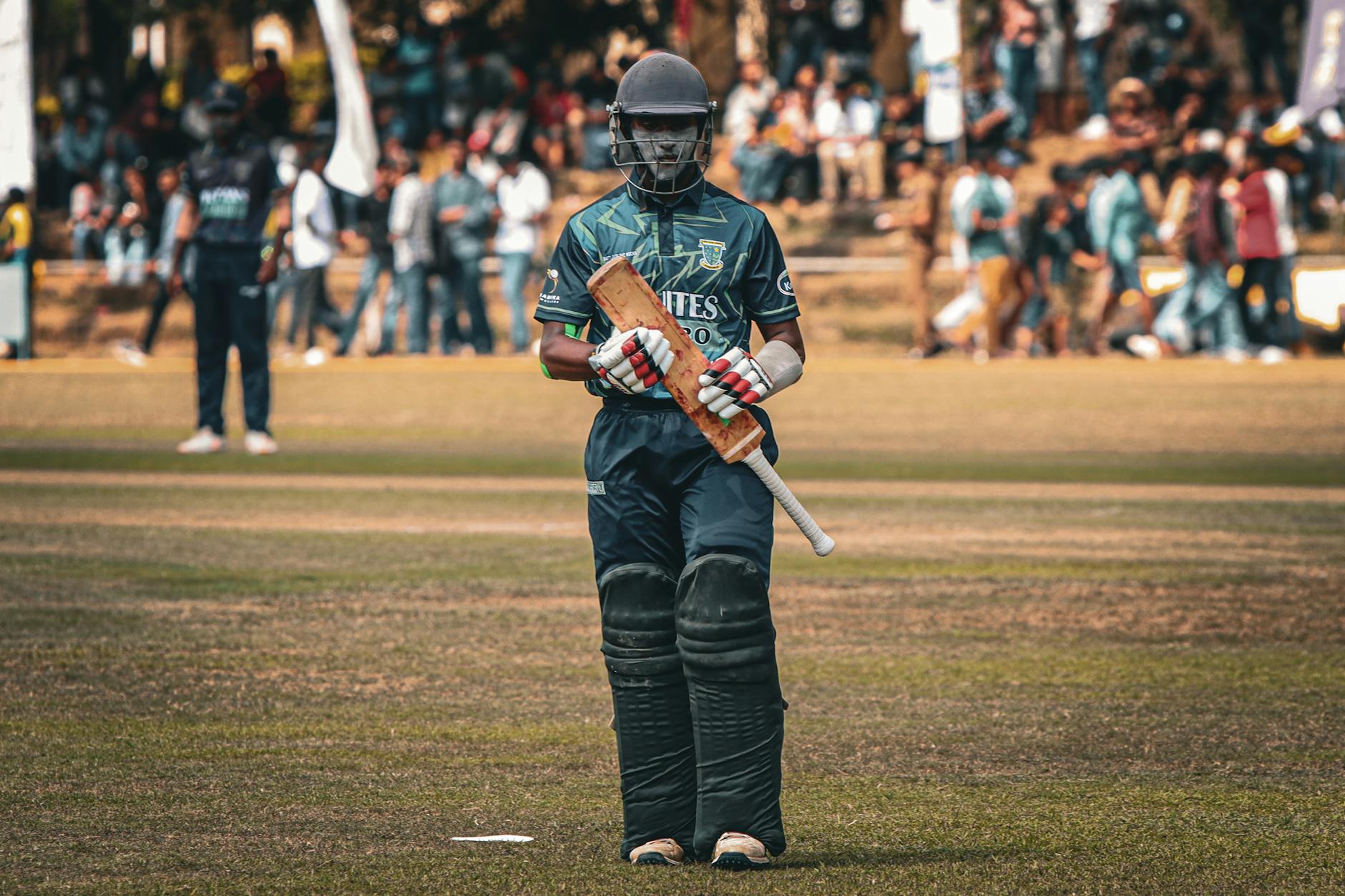
What the Impact Player rule actually does
Before the toss, each captain hands over a starting eleven and a separate list of five named substitutes. At some point during the match, the team can swap one of those five into the game in place of someone in the original eleven. That substitute is the Impact Player.
The crucial part is that this is a strategic swap, not an injury replacement. A team can use it to add a specialist batter when chasing, or an extra bowler when defending. The player who comes in is a full participant: they can bat anywhere in the order and bowl their full quota of four overs. The catch is on the other side of the trade.
The player who makes way is finished for the day. No batting, no bowling, no fielding, no coming back. That's the cost of the swap, and good captains spend a lot of energy deciding who they're willing to sacrifice and when.

The timing rules that trip teams up
You can't just summon the Impact Player whenever you fancy. There are exactly four windows when the substitution is allowed:
- Before the start of an innings
- At the end of a completed over
- After the fall of a wicket
- When a batter retires
That list shapes real decisions. Bat first and you usually have to commit early, before you know what a chasing total looks like. Bowl first and you get to watch the run chase unfold, then bring in exactly the player the situation demands. This is a genuine advantage, and it's part of why so many captains now choose to field first after winning the toss.
One more wrinkle catches teams out. If the Impact Player is a bowler and comes on after a wicket falls mid-over, they aren't allowed to finish that over. They have to wait and start the next one. Small detail, but it has cost sides a crucial change of bowler at the wrong moment.
The overseas trap
The IPL caps how many foreign players can be on the field, and the Impact Player rule has to respect that ceiling. A team is allowed a maximum of four overseas players in its eleven. If you start with all four, your Impact Player must be Indian. There's simply no room for a fifth foreigner.
Start with three overseas players or fewer, and you keep the option of bringing in an overseas Impact Player later. This single condition has reshaped squad planning. Franchises now think hard about whether to load their first-choice eleven with foreign stars or hold one back, because that choice locks or unlocks their flexibility for the rest of the night. The unglamorous result has been a quiet premium on depth in Indian batting and bowling, since those are the players who keep your options open.
Why scores exploded
The arithmetic is brutal once you see it. Without the rule, a team batting deep had to protect against collapse, which meant picking bowlers who could hold a bat or batters who could send down a few overs. Insurance, basically.
The Impact Player removes the need for that insurance. A side can now pick seven specialist batters and still field a full bowling attack, because the swap lets them trade a batter for a bowler or the reverse exactly when needed. Batting orders run deeper, tail-enders barely exist, and the man at number eight can tee off from ball one knowing there's another recognised hitter behind him.
That's how totals of 250 stopped being once-a-season events. The rule didn't make players hit the ball harder. It removed the fear that used to keep a lid on aggression.
The all-rounder problem
Here's where the criticism gets sharp, and it comes from the top. Rohit Sharma has said plainly that he isn't a fan, arguing the rule holds back all-rounders and that cricket is meant to be played by eleven, not twelve. MS Dhoni has called it unnecessary, and Virat Kohli has voiced the same worry.
Their point is straightforward. A true all-rounder earned a place precisely because he did two jobs and let the team pack the eleven with skill. Now a side doesn't need that two-in-one player. It can field a pure batter and a pure bowler and simply rotate them with the swap. The premium on doing both has dropped.
The concern runs beyond the IPL. The league is where India unearths and sharpens players for the national side, and international T20 cricket does not use the Impact Player rule. So a young batting all-rounder can spend an IPL season barely being asked to bowl, then find himself in an India shirt where his bowling is suddenly essential and badly underused. The fear is that the rule produces specialists when the country actually needs genuine all-rounders like a Hardik Pandya or a Ravindra Jadeja.
Where it goes from here
For now, the rule is staying put. The IPL Governing Council has confirmed the Impact Player regulation continues through the 2025–2027 cycle, so at least two more seasons of 250-plus scores and deep batting orders are baked in.
The defence is that fans love the carnage, that closer, higher-scoring games make for better television, and that the rule adds a fresh layer of captaincy and strategy. The counter is that bowlers are being flogged on flatter contests and that the format is drifting away from the balance that made T20 compelling in the first place.
Three things are worth watching as the debate runs:
- Whether scoring keeps climbing or settles as bowlers adapt with slower balls and smarter fields.
- Whether franchises start valuing all-rounders again simply because they free up an Impact Player slot for greater flexibility.
- Whether the pushback from senior India players nudges the Governing Council to tweak or drop the rule after 2027.
For the next two seasons, the smart way to watch is to track the toss and the swap. Note who fields first, watch which name appears off the bench, and clock the over it happens in. More often than not, that one substitution tells you who has read the night correctly — and who is about to lose it.