Photo: Pixabay / Pexels
Iran Strikes Kuwait, Bahrain After US Hits Qeshm; Indian Killed
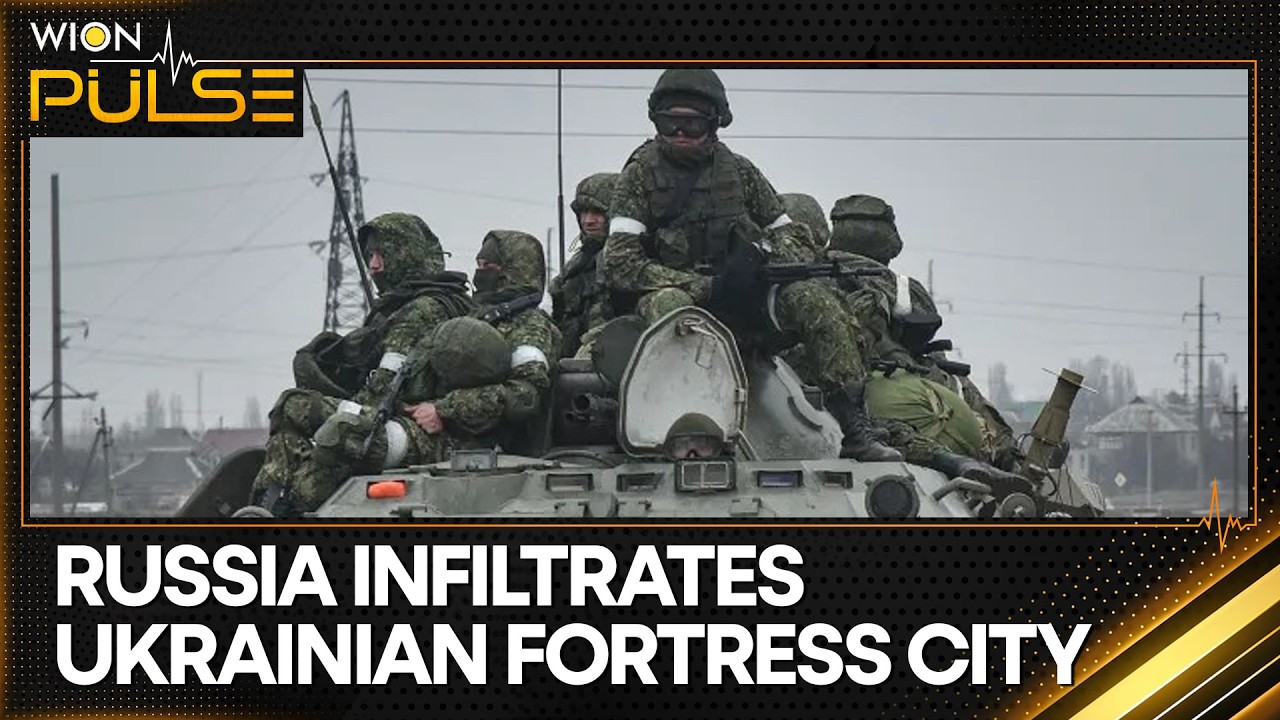
Iran fired a wave of drones and ballistic missiles at Kuwait and Bahrain early on Wednesday, hours after United States forces struck Iranian military targets on Qeshm Island in the Strait of Hormuz. The barrage damaged Kuwait International Airport, killed at least one person and injured dozens — and for India, the war suddenly became personal: the person killed was an Indian national.
It is the kind of headline that turns a distant conflict into a domestic emergency. Nearly 1.06 million Indians live and work in Kuwait, the single largest foreign community in the country. When missiles land near their workplaces and the airport they fly home through goes dark, the Gulf war stops being foreign news and starts being family news in Kerala, Tamil Nadu and beyond.

What actually happened
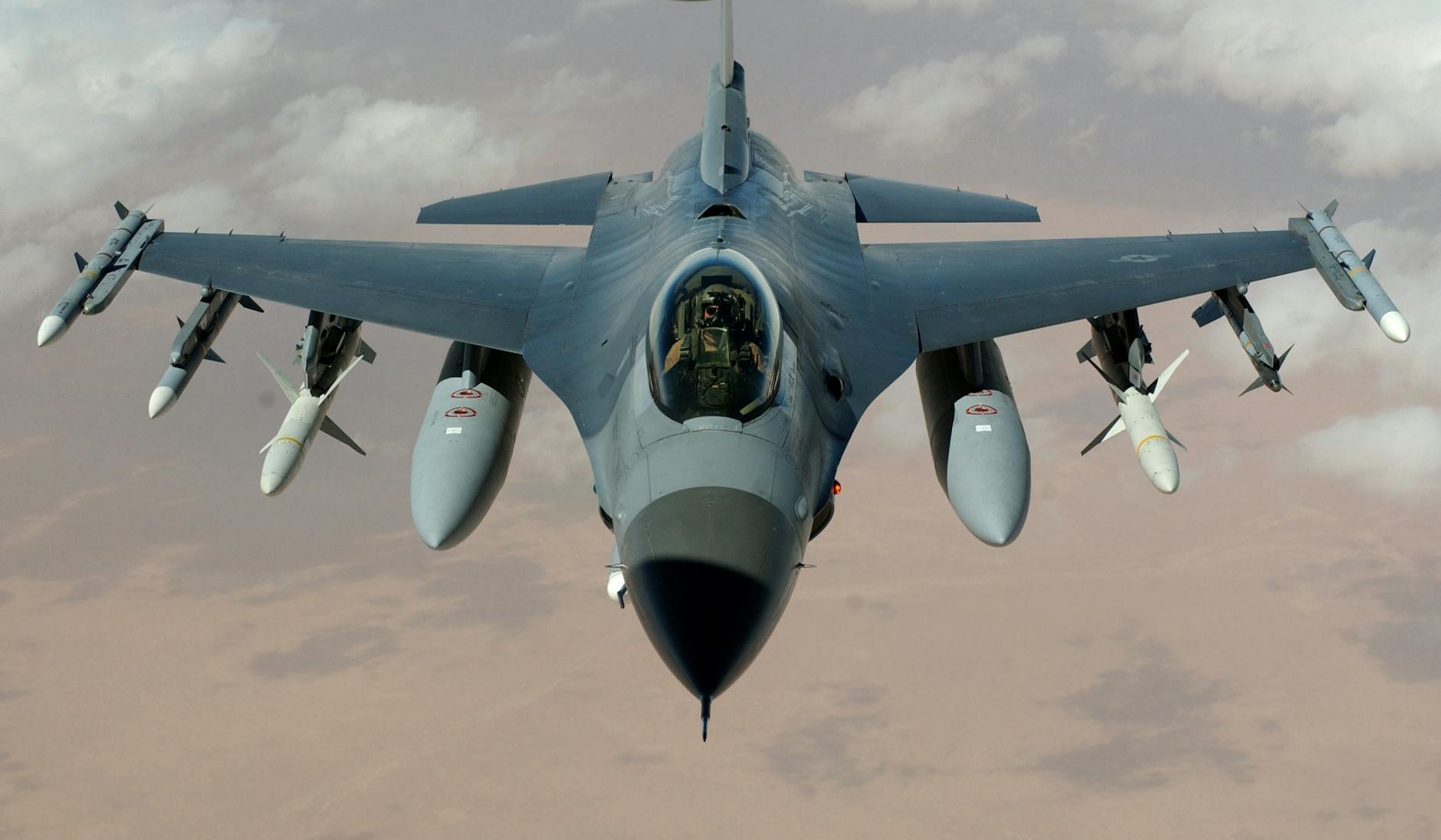
The escalation followed a now-familiar pattern of strike and counter-strike. US Central Command said it carried out "self-defence" strikes on Iranian military sites — including an air-defence position and a ground control station on Qeshm Island — after Iran allegedly shot down an American MQ-1 drone over international waters. Washington also said it had used a Hellfire missile to disable a Botswana-flagged oil tanker heading toward Iran's Kharg Island export hub.
Iran's response came fast. The Islamic Revolutionary Guard Corps (IRGC) claimed it had launched missiles and drones at US-linked bases in Kuwait and Bahrain, as well as a vessel near the Strait of Hormuz. Kuwait's defence ministry said it detected around 30 ballistic missiles and drones, with air defences intercepting many of them.
Not all were stopped. One strike caused severe damage to facilities at Kuwait's main airport, freezing operations. Kuwait's health ministry reported at least 63 people injured, including airport staff and passengers, and confirmed one death. Bahrain's military said it intercepted and destroyed three missiles and several drones, with no major casualties reported there.

Why Qeshm Island is the flashpoint
Qeshm sits at the mouth of the Strait of Hormuz, the narrow channel through which a large share of the world's seaborne oil and gas passes. Military analysts have long called Qeshm Iran's "unsinkable aircraft carrier" because of the dense web of military infrastructure built into it.
The IRGC is reported to have developed a network of underground missile facilities and hardened defensive positions across the island, earning it the nickname Iran's "missile city." Striking Qeshm, then, is not a symbolic pinprick — it is a hit on the nerve centre Iran uses to threaten shipping and project force across the Gulf.
That is exactly why this round of fighting is so dangerous for everyone who depends on Hormuz. The strait has been largely shut by Tehran since 28 February 2026, when the wider US-Israel air war against Iran began. Every fresh exchange around Qeshm pushes the chance of a full, prolonged closure higher.
The Indian angle: a million lives in the line of fire
India's foreign ministry condemned the attack on Kuwait airport, confirming the death of an Indian citizen and injuries to several others, and called on all sides to stop targeting civilians and civilian infrastructure. The Indian Embassy in Kuwait activated emergency measures, opened coordination with local authorities, and said it had begun supporting the victim's family.
The human stakes are enormous. Indians make up roughly 20% of Kuwait's total population and about a third of its expatriate workforce, dominating the private sector and domestic services. A majority hail from Kerala and Tamil Nadu. For lakhs of households back home, monthly remittances from Kuwait are not extra income — they are the income.
Key worries for the Indian community right now include:
- Airport disruption: With Kuwait's main airport damaged and operations frozen, any voluntary return or evacuation becomes harder and slower.
- Safety of low-wage workers: Construction and domestic workers often live near industrial and logistics zones that sit close to potential targets.
- Remittance shock: A drawn-out crisis could disrupt jobs and money transfers that support families across south India.
- Information gaps: In a fast-moving conflict, families struggle to verify whether relatives are safe, raising panic.
For New Delhi, this is a delicate balancing act. India maintains working ties with Iran, the Gulf states and the US, and has historically leaned on quiet diplomacy and naval evacuation operations rather than taking sides.
The economic shockwave reaching home
Even Indians who have never set foot in the Gulf will feel this war through their wallets. With Hormuz throttled, India has lost over 40% of its crude oil inflows, according to industry estimates. State-run oil marketing companies are reported to be bleeding heavily because the government is holding pump prices artificially low to protect consumers ahead of the pain fully landing.
The financial markets are already flashing red. The rupee has slid to a fresh record low, and foreign investors have pulled more than $20 billion out of Indian equities in the first four months of 2026 — already beating the previous full-year outflow record. Forecasters now see India's GDP growth cooling to around 6.7% in fiscal 2026/2027, down from 7.7% the year before.
The arithmetic is brutal and simple. India imports the overwhelming majority of the crude it burns, and a large slice of that historically transited Hormuz. Every week the strait stays contested, the risk grows of fuel price hikes, costlier imports, and inflation seeping into everyday Indian budgets.
What India is doing — and what comes next
New Delhi's playbook in such crises is well-worn. Earlier this year, the Indian Navy escorted Indian-flagged LPG carriers out of the danger zone in the Gulf of Oman under a maritime security operation, and the government has previously mounted large airlifts to bring citizens home from conflict zones.
The immediate priorities are likely to be:
- Accounting for nationals — confirming the safety of Indians in Kuwait, Bahrain and across the Gulf through embassy helplines.
- Contingency evacuation planning — keeping naval and civil-aviation options ready should the security situation worsen.
- Securing energy supply — diversifying crude sources and managing strategic reserves to cushion the Hormuz shock.
- Diplomatic pressure — urging restraint and protection of civilians without rupturing ties with any party.
The larger question is whether this latest exchange is a spasm or a turning point. There have been on-and-off signals about talks to wind the conflict down, even as strikes continue. But every attack on a Gulf capital — and every Indian casualty — narrows the room for calm.
For now, the message from the Kuwait airport strike is unmistakable. The war that began as a distant fight over Iran's nuclear and military ambitions has reached the doorstep of the Indian diaspora, and through oil and the rupee, the doorstep of every Indian household. How quickly the guns fall silent around Qeshm will decide just how heavy that bill becomes.