Photo: Tara Winstead / Pexels
11 Psychology Facts That Explain Your Everyday Behaviour
Why does an unpaid bill nag at you all day, but a settled one vanishes from memory? Why do you replay one awkward sentence for hours, convinced everyone noticed? These are not personal quirks — they are predictable patterns of the human mind. The best psychology facts don't just sound clever at a party; they quietly explain everyday human behaviour, from how you shop to how you make friends to why a crowd can watch someone struggle and do nothing.
Below are eleven well-studied effects that show up in your life far more often than you'd guess. Read them once and you'll start spotting them everywhere — including in your own choices.

The brain hates a loose end
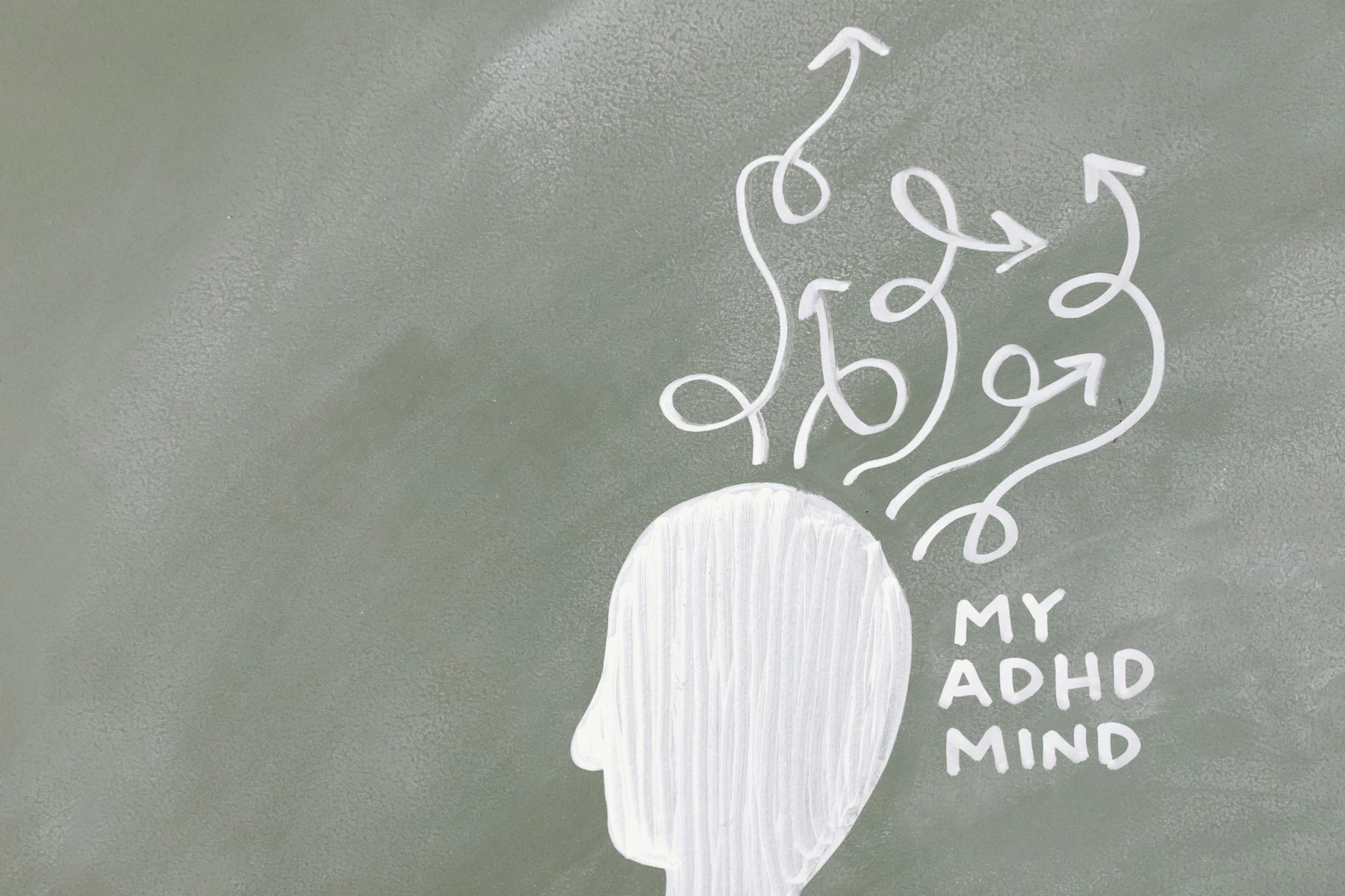
The Zeigarnik effect, named after psychologist Bluma Zeigarnik, describes how we remember unfinished or interrupted tasks more vividly than completed ones. The classic origin story involves a waiter who could recall complex unpaid orders perfectly — then forgot them the moment the bill was settled. An open task creates a low hum of mental tension that keeps pulling your attention back.
This is why cliffhangers work, why "to be continued" hooks you, and why a half-written email itches at the back of your mind. A useful caveat: a 2025 review of the research found the memory advantage is shakier than once believed, though the urge to resume unfinished work held up. The practical takeaway is still gold — if you're procrastinating, just start. Once a task is open, your brain will want to close it.
You have room for about 150 real relationships
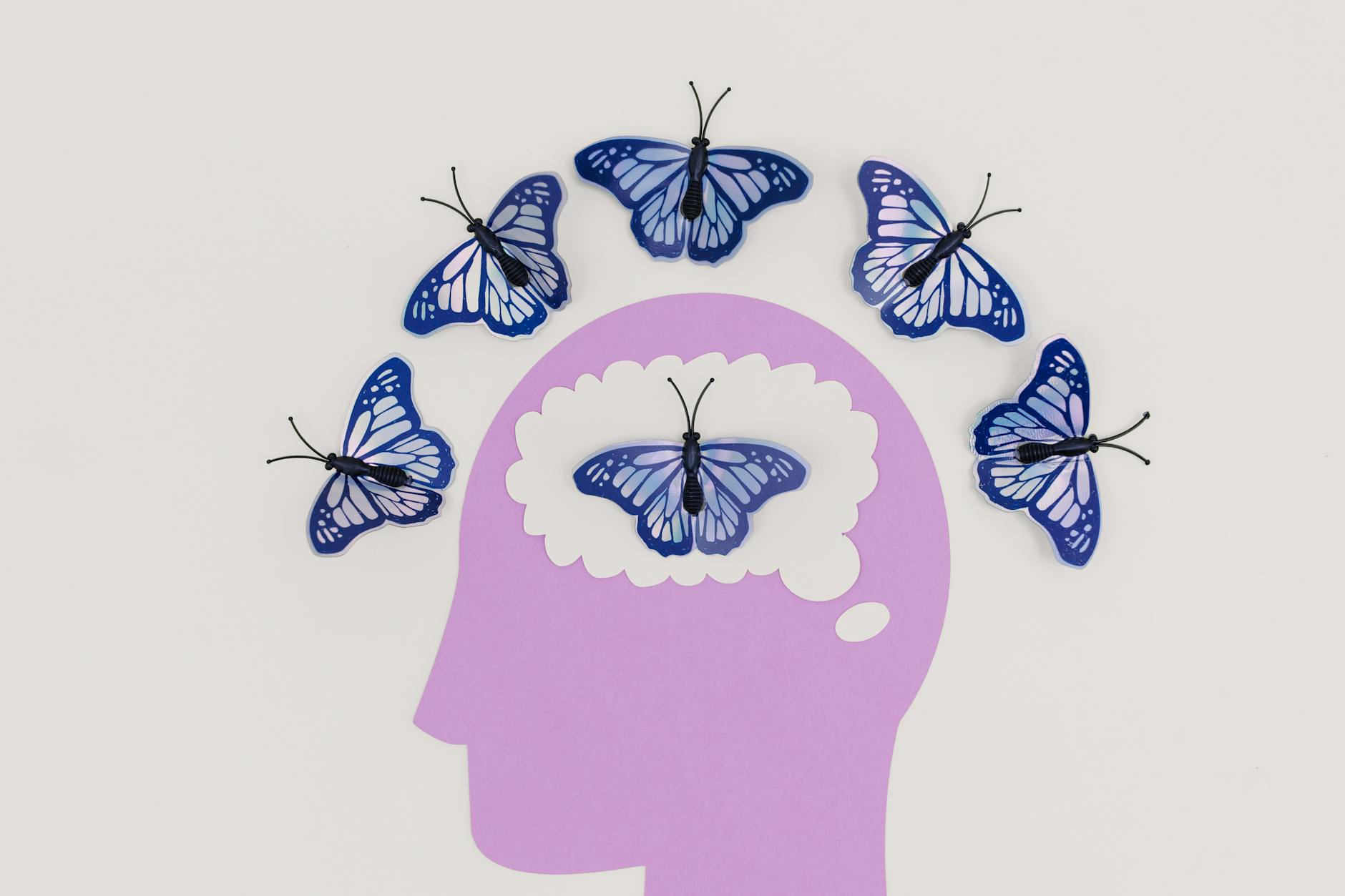
Dunbar's number, proposed by anthropologist Robin Dunbar in 1993, suggests humans can maintain only around 150 stable relationships at once. He arrived at it by plotting primate brain size against group size and extrapolating to humans. Beyond that ceiling, the cognitive cost of tracking who-knows-whom and who-owes-whom becomes too heavy.
That number is layered: roughly 5 intimate loved ones, about 15 close friends, around 50 good friends, and 150 meaningful acquaintances. It explains why your phone may hold a thousand contacts while your actual circle feels small — and why scaling friendships endlessly on social media never quite delivers closeness.
Nobody is watching you as closely as you think
The spotlight effect is the tendency to overestimate how much others notice your appearance, mistakes and behaviour. You feel like a stain on your shirt or a fumbled word is glaringly obvious, but everyone around you is starring in their own mental movie, worrying about their shirt and their words.
Internalising this single fact can dissolve a surprising amount of social anxiety. The embarrassing thing you did last week? Almost no one remembers it. They were too busy being self-conscious about themselves.
More witnesses can mean less help
The bystander effect is one of the most counter-intuitive findings in social psychology: the more people who witness an emergency, the less likely any single person is to step in. Responsibility gets diluted across the crowd — everyone assumes someone else will act, so no one does.
This matters in practical, sometimes life-or-death ways. If you ever need help in public — during a medical emergency or an accident — don't shout to the crowd. Point at one specific person and give a direct instruction: "You, in the blue shirt, call an ambulance." Naming an individual collapses the diffusion of responsibility and triggers action.
Losing ₹500 hurts more than gaining ₹500 feels good
Loss aversion, a cornerstone of behavioural economics, holds that the pain of losing something is psychologically about twice as powerful as the pleasure of gaining the same thing. A ₹500 fine stings harder than a ₹500 windfall delights.
This quietly steers huge decisions. It's why investors cling to falling stocks rather than book a loss, why "only 2 left in stock" makes you buy, and why free-trial cancellations feel like giving something up. Marketers exploit it constantly; knowing it is your defence.
A small favour can flip how someone feels about you
Two related effects shape how we like people:
- Reciprocity: When someone does us a small favour, we feel an almost physical pull to return it. This is why free samples, a welcome drink, or a tiny gift lifts sales — the gesture creates a debt we're wired to repay.
- The Benjamin Franklin effect: Oddly, asking someone for a small favour can make them like you more. The mind reasons backwards — "I helped this person, so I must like them" — to stay consistent with its own actions.
Together they reveal a strange truth: liking often follows behaviour, rather than the other way around.
Your memory rewrites the story
Human memory is not a recording; it's a reconstruction, rebuilt slightly differently each time you recall it. Two more effects compound this:
The misinformation effect shows that the way a question is phrased can warp what you "remember" — witnesses asked how fast cars "smashed" recall higher speeds than those asked how fast they "hit." And the peak-end rule means we judge an entire experience mostly by its most intense moment and its ending, not the average. A wonderful holiday ruined by a stressful airport exit is filed in memory as worse than it was.
This is why a dentist who ends a painful procedure gently leaves a better impression, and why the last five minutes of any event matter disproportionately.
You seek out what you already believe
Confirmation bias is the brain's habit of favouring information that supports what we already think and quietly dismissing what doesn't. It's the engine behind echo chambers, stubborn arguments, and why two people can watch the same news and walk away more certain of opposite conclusions.
Close cousins include the anchoring effect — the first number you hear (a sticker price, an opening offer) drags your final estimate toward it — and the availability heuristic, where we judge risk by how easily examples spring to mind. That's why a single dramatic plane crash on TV can make flying feel more dangerous than driving, even though the data says the opposite.
Why these psychology facts actually matter
These aren't trivia. They are operating instructions for a mind that runs largely on autopilot. Knowing them does two things at once: it makes you a little more compassionate toward others — that rude driver may be loss-averse and stressed, not evil — and a little harder to manipulate.
A few quick ways to put them to work:
- Beat procrastination: Start the task, however briefly — the Zeigarnik pull will help carry you onward.
- Get help fast: In a crowd, name one person and give a clear instruction.
- Make a better impression: End interactions on a warm, strong note, thanks to the peak-end rule.
- Argue more honestly: Actively hunt for evidence against your own view to blunt confirmation bias.
The bigger picture
The common thread across all eleven is humbling: much of what feels like free, rational choice is shaped by ancient mental shortcuts built for survival, not for modern life. Your brain is brilliant at being fast and energy-efficient, and that efficiency comes at the cost of accuracy.
The goal isn't to fight these instincts — you can't fully switch them off. It's to notice them in the moment. The next time an unfinished task gnaws at you, a crowd freezes, or a loss feels unbearable, you'll recognise the pattern by name. And naming the pattern, as every one of these effects quietly shows, is the first step to no longer being run by it.