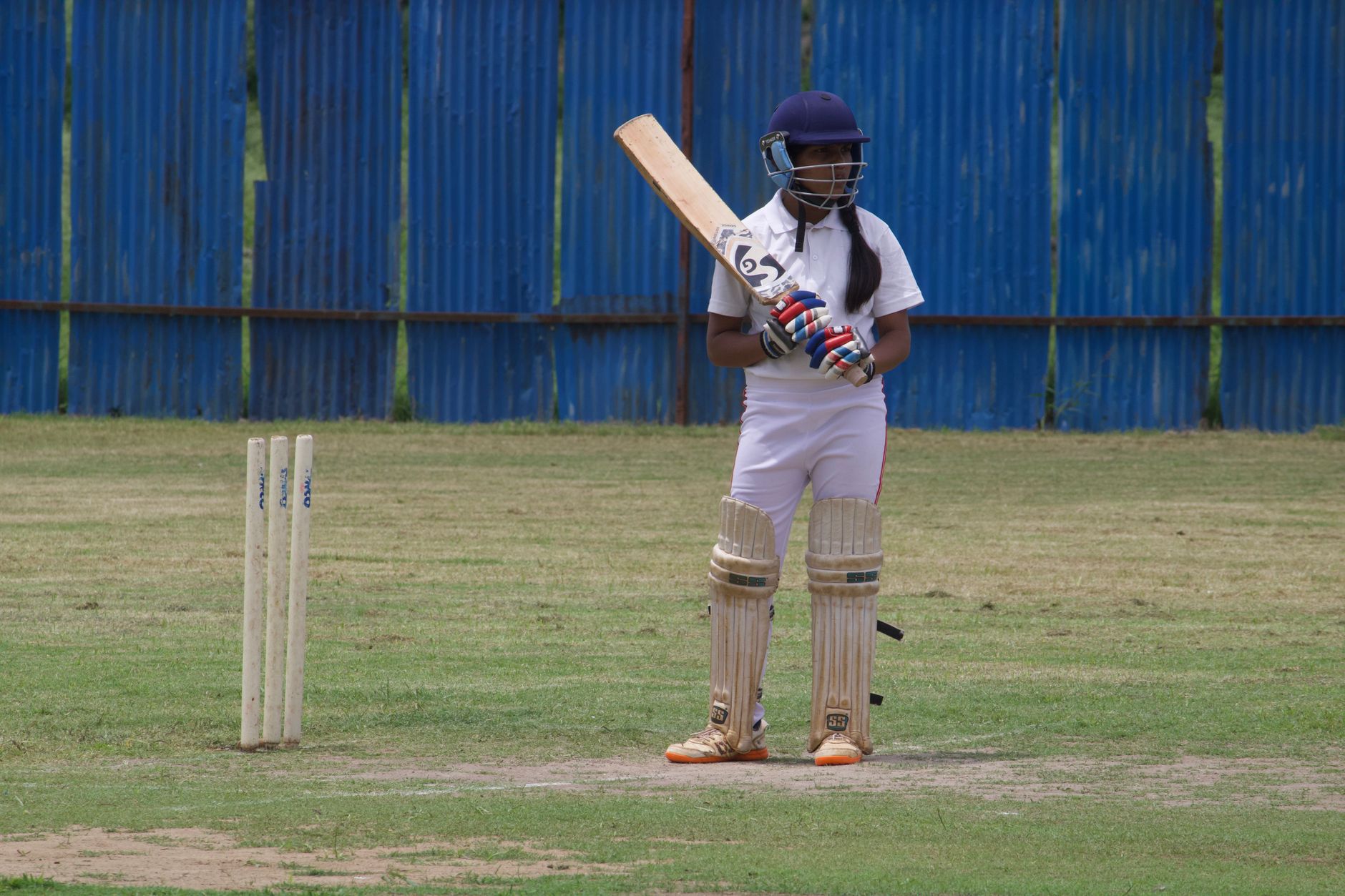
Photo: KoolShooters / Pexels
Sports Quota Govt Jobs in India: How to Actually Get One
If you have ever stood on a state or national podium and wondered whether that medal can be turned into a stable salary, the answer is often yes. Sports quota government jobs in India are a real, structured pathway that lets accomplished athletes walk into permanent posts in Railways, banks, public sector firms and paramilitary forces — frequently without sitting the punishing written exams that everyone else faces. The catch is that the rules are precise, the paperwork is unforgiving, and a single wrong certificate can sink an otherwise strong application.
This guide breaks down who actually qualifies, which competitions count, the new digital verification regime, and how the recruitment really unfolds — so you can plan instead of guess.

What the sports quota actually is
The sports quota is not one scheme but a policy applied across dozens of recruiters. At the central level, the Department of Personnel and Training (DoPT) lays down the framework that ministries and departments follow: a portion of vacancies is set aside for meritorious sportspersons, recruited on the strength of their results rather than a general aptitude test.
A common benchmark is a 2% reservation in eligible posts, a figure several states such as Karnataka have also formally adopted in their own recruitment rules. In practice the share varies by employer and by year. Indian Railways remains by far the largest hirer, filling Group C and Group D openings — from technician and clerk roles to ticket-checking and station staff — through dedicated sports quota drives.
The logic is twofold. It rewards athletes who sacrificed years to compete, and it lets a department field strong teams in inter-departmental and national tournaments. That second motive matters: recruiters often want talent in specific disciplines where they need players, so demand is sport-dependent.

Who is eligible — and the rule that trips most people
The headline requirement is that you must have represented at a recognised level in your sport. Broadly, four tiers of achievement are accepted:
- International events such as the Olympics, Asian Games, Commonwealth Games and senior World Championships held under a recognised international federation.
- National championships conducted by the relevant national sports federation, where your finishing position is scrutinised.
- State championships held under a recognised state federation.
- School and university competitions organised by the SGFI (School Games Federation of India) or the AIU (Association of Indian Universities).
The rule that quietly eliminates many hopefuls is the recency window. Most notifications accept only achievements from the current financial year or the previous two financial years. A glittering medal from five years ago typically will not count. If you are an athlete planning a job application, treat your competitive results like a perishable asset and apply while they are fresh.
Age is the other gatekeeper. Many entry-level central posts expect candidates roughly between 18 and 25 years as on the notified cut-off date, with the usual relaxations for SC, ST and OBC applicants. Educational bars are deliberately modest for lower grades — often a Class 10 pass, ITI or apprenticeship certificate — rising to graduation for higher posts.
The NSRS certificate: why your paperwork just changed
For years, the weakest link in sports quota recruitment was the paper certificate. Forged merit certificates and dubious "national" events run by unrecognised bodies let unqualified candidates slip through, while genuine athletes lost out.
The fix is the National Sports Repository System (NSRS), the Sports Ministry's online platform that registers athletes and digitally verifies their results and certificates. The direction of travel is clear: recruiters increasingly insist on an NSRS-verified certificate because it can be checked against a central database and is far harder to fake than a signed printout.
For an applicant, the practical takeaway is to get registered early. Create your NSRS profile, upload your competition records, and chase the issuing authority to validate them well before a notification drops — because verification can take time, and recruitment windows are short.
Always confirm that the issuing authority named on your certificate is the one the recruiter recognises. A certificate from a recognised federation carries weight; one from an unaffiliated club or breakaway body usually does not, no matter how official it looks.
How the recruitment actually works
The process is noticeably different from a standard government exam. While details vary by employer, the typical sequence runs like this:
- Notification: The department or Railway zone publishes vacancies by sport, post and number. Railway sports quota notices tend to cluster in the October–December period, though timing shifts year to year.
- Application: You apply online or offline, attaching scanned certificates and, increasingly, your NSRS details.
- Shortlisting on merit: Candidates are ranked by the standard of their achievements — international above national, higher finishing positions above lower ones. For national championships, recruiters may set a threshold position; for many posts an understanding is taken of where you finished.
- Sports merit assessment or trial: Some recruiters hold a physical trial or assessment to confirm current form; others rely purely on documented results.
- Document verification and medical: Originals are checked, NSRS records cross-referenced, and a fitness medical completed before the appointment letter.
Notice what is usually missing: a competitive written paper. That is the single biggest advantage of this route, and the reason it is worth pursuing for athletes who may not be exam specialists.
The pros, the cons and the smart strategy
No pathway is free of trade-offs. Here is an honest balance sheet.
The upside: a permanent government job with pension-linked benefits, no head-to-head written exam in most cases, paid leave to train and compete, and an employer that often wants you to keep playing.
The downside: vacancies are sport-specific and limited, the recency rule punishes athletes who stop competing, and the document scrutiny is intense. Some recruited sportspersons also report being pulled into routine administrative work that leaves little room to train — so clarify expectations where you can.
A few moves sharpen your odds:
- Keep competing in recognised events so you always have a result inside the two-year window.
- Register and validate everything on NSRS before you need it.
- Track multiple recruiters — Railways, banks, PSUs and your state government — because demand for your discipline varies across them.
- Preserve every original certificate, photograph and result sheet; verification can hinge on a single document.
What comes next for athletes
The broader shift is toward digital, fraud-proof verification and tighter alignment between recruitment and India's competitive sporting calendar. As the NSRS becomes the default, genuine athletes with clean records should find the process faster and fairer, while paper-certificate fraud gets squeezed out.
For a young player weighing whether elite sport can also mean financial security, the message is practical. A medal alone is not a job — but a recognised, recent, properly verified achievement, paired with early NSRS registration and a sharp eye on notifications, can genuinely convert years on the field into a stable career. Treat the paperwork with the same discipline you bring to training, and the sports quota stops being a rumour and becomes a plan.