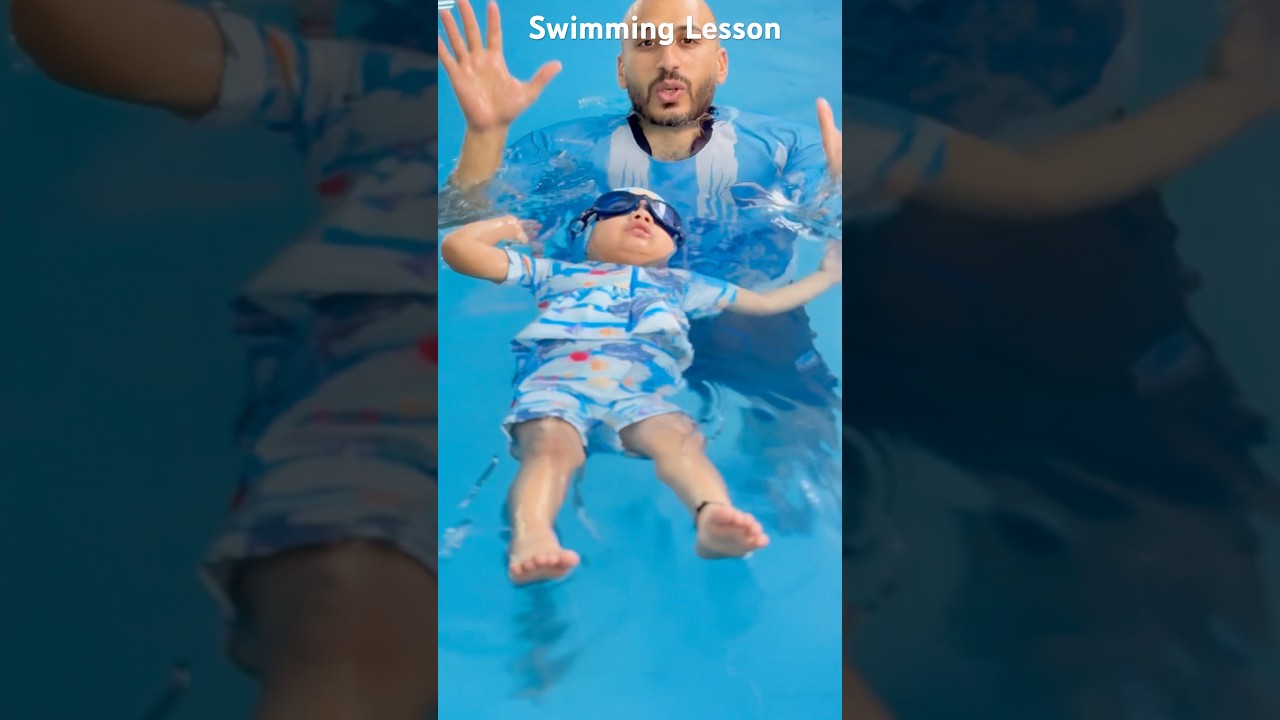
That Viral Toddler Swimming Video: What It Really Shows
A short clip of a two-year-old paddling across a pool, going under, then bobbing back up to grab the wall has quietly become one of YouTube's most-shared parenting moments of the season. No celebrity, no stunt, no music drop. Just a tiny child, an adult hand hovering nearby, and a feat that looks impossible for someone who can barely talk. The comments split instantly between awe and alarm, and that tension is exactly why toddler swimming lessons are trending again.
Videos like this surface every summer, but they hit differently now. Indian families are taking more pool holidays, more apartment complexes have water features, and the school break has parents Googling whether their own child is dangerously behind. The clip works because it pokes at a real fear dressed up as a feel-good moment.
Why a 30-second clip travels so far
The mechanics of virality here are simple. A baby doing something that reads as advanced triggers a strong emotional jolt, and the platform rewards strong reactions. People stop scrolling, watch twice, and argue in the comments, which the algorithm reads as a hit.
There is also a credibility shortcut at play. We assume a child cannot fake competence, so footage of a toddler floating feels more honest than an adult demonstration. That instinct is mostly fair, but it is also why these clips spread faster than the context that should travel with them.
What the footage usually shows is not free-form swimming. It is a child performing a trained sequence: get into the water, turn, float on the back, breathe, and reach for safety. To a casual viewer that looks like a prodigy. To anyone who has sat through a baby swim course, it looks like a well-drilled routine.
What these lessons actually teach
There are broadly two things happening in the toddler swim world, and they get blurred together online.
- Parent-and-baby water familiarity: gentle, play-based sessions where an infant gets comfortable being in water, learns to hold breath briefly, and is never left unsupported. This is the mainstream, low-pressure version.
- Self-rescue style training: more intensive programmes, often associated with the ISR (Infant Swimming Resource) approach, that drill a young child to roll onto their back and float if they end up in water alone. This is the dramatic stuff that goes viral.
The self-rescue clips are the ones that rack up views, and they are also the ones experts ask people to watch carefully. The goal is not to produce a swimmer. It is to buy a few crucial seconds if a child falls in unnoticed, by teaching the body to flip and breathe instead of panic.
Done by a trained, reputable instructor with the parent fully briefed, supporters say it can be a genuine safety layer. Critics worry about stress on very young children and about videos that make the method look easier and safer than it is. Both things can be true, which is why the honest answer is: judge the programme and the instructor, not the clip.
The number behind the panic
Strip away the cuteness and there is a hard reason these videos matter. Drowning is one of the leading causes of accidental death for children aged one to four around the world, and it almost never looks like the thrashing you see in films. A small child can slip under in near silence, in seconds, in water that barely covers them.
In India the danger is not limited to swimming pools. Open wells, ponds, water tanks, buckets and bathing drums account for a large share of child drownings, especially in rural areas, and many go underreported. That wider picture is the part the viral clip cannot show, yet it is the reason the topic deserves real attention rather than just applause or outrage.
This is also where a dangerous misreading creeps in. A toddler who can float for the camera is not a toddler who is safe. Skills fade, water conditions change, clothing weighs a child down, and cold or fatigue undo training fast.
The myth the videos accidentally sell
The single most important caveat is blunt: no lesson drown-proofs a child. Paediatric and water-safety bodies are consistent on this, even the ones that endorse early lessons. A child who has had excellent instruction still needs the same vigilance as one who has had none.
The accepted model is layers of protection, not one magic skill:
- Active supervision — a sober adult watching the water, phone down, within arm's reach for the youngest kids.
- Barriers — fencing, gates and covers so a child cannot reach water unsupervised in the first place.
- Skills — age-appropriate swim and self-rescue ability built over time.
- Response — adults who know basic rescue and CPR, because seconds decide outcomes.
Viral footage flatters layer three and quietly erases the rest. A parent who watches a toddler float and concludes the child is now safe has learned exactly the wrong lesson.
When to start, and how to read the clip
Guidance has softened over the years. Major paediatric groups now say formal swim lessons can reasonably begin around age one for many children, decided case by case based on the child's development, health and how often they are around water. The blanket old advice to wait until four has been retired.
For parents weighing the trending video against their own child, a few grounded checks help:
- Treat any single clip as marketing, not a benchmark. You are seeing the best take, not the average day.
- Look at the instructor's credentials and ratios, not the child's performance. Reputable programmes are upfront about limits and never promise safety.
- Watch for signs the child is genuinely comfortable, not just compliant. Distress that gets edited out is a red flag for the whole method.
- Remember that warm, playful exposure builds more lifelong swimmers than pressure does.
It is also worth saying plainly that we cannot independently verify the backstory of any one viral clip — the child's exact age, the setting, or whether an instructor was just out of frame. Sensible viewers should assume an adult was supervising and avoid copying anything seen online without trained help.
What happens next
Expect more of these videos, not fewer. The format is cheap, emotional and endlessly repeatable, and every summer brings a fresh batch of toddler-in-pool clips chasing the same reaction. A handful of swim schools have already learned that a single floating-baby reel does more for enrolments than any brochure.
The useful outcome would be if the attention pushed past the spectacle. India has a real, under-discussed child-drowning problem and a growing middle class with new access to pools and beach holidays. If a viral toddler nudges even a slice of those families toward proper lessons, fenced water and never-take-your-eyes-off rules, the clip will have done more good than its view count suggests.
The wrong takeaway is to feel either inadequate or falsely reassured. The right one is simpler and less shareable: water around small children demands respect, layers of protection and an adult who is fully present. A clever two-year-old on camera does not change that, and the best instructors are the first to say so.