Photo: The Glorious Studio / Pexels
Gold Rate Today, 26 June 2026: 24K at ₹1,43,200, Silver ₹2.35 Lakh
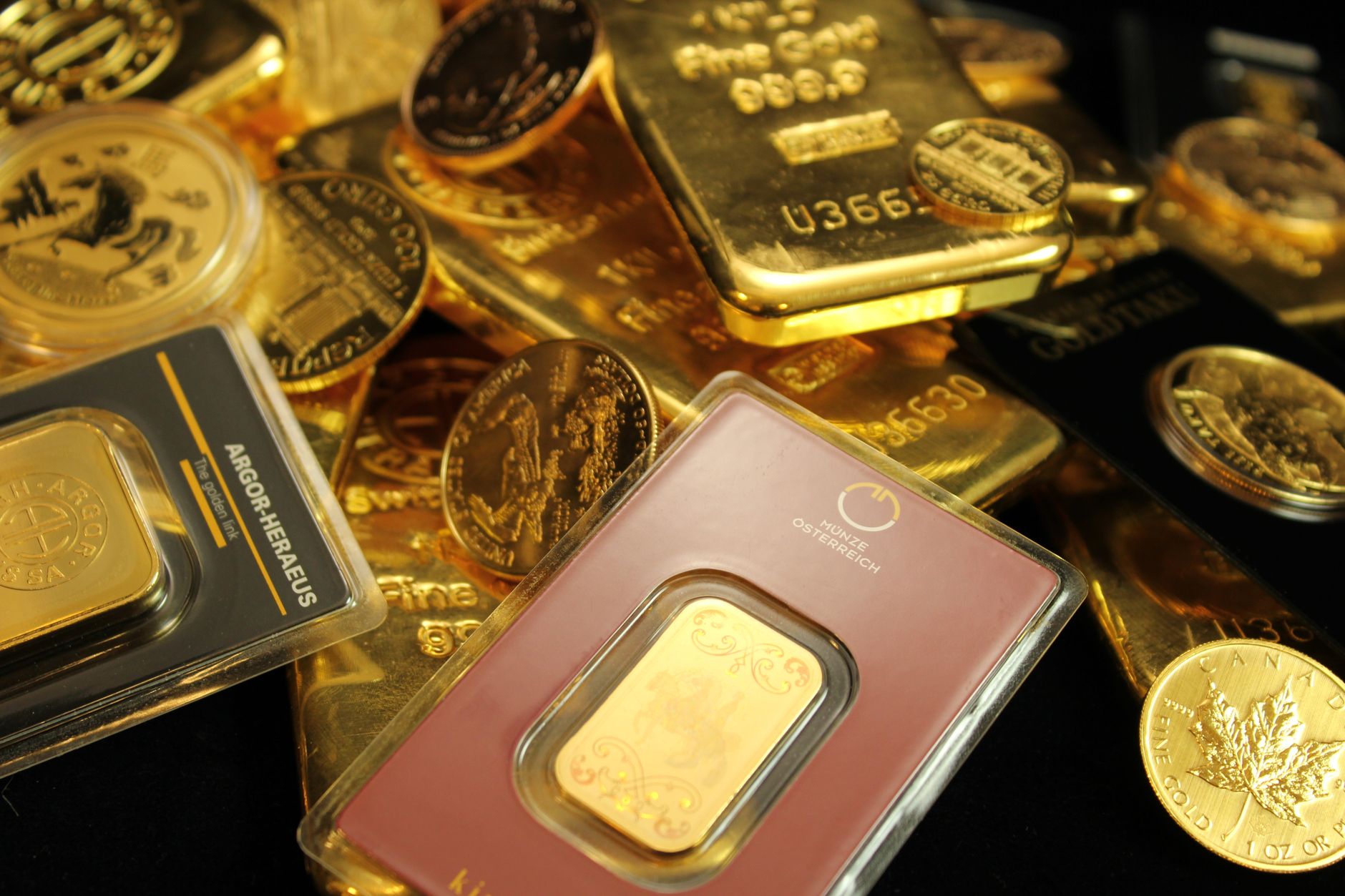
If you walked into a jeweller this morning, the gold rate today for 26 June 2026 sits near ₹1,43,200 for 10 grams of 24K gold, with 22K quoted at roughly ₹1,31,744. Silver is holding around ₹2,35,000 a kilogram. Those are benchmark numbers before tax and making charges, so treat them as the floor of what you will actually pay at the counter.
Precious metals are not moving in isolation today. The Sensex is at 77,072 and the Nifty 50 at 24,056, the rupee is trading at ₹94.46 to the dollar, and Bitcoin is hovering around ₹60,33,408. Each of these nudges how Indian buyers think about gold and silver, and it is worth unpacking why before you decide whether to swipe your card.

Today's Rates at a Glance
Here is where things stand for buyers across the country on 26 June 2026:
- 24K gold (999 purity): around ₹1,43,200 per 10 grams
- 22K gold (916 purity): around ₹1,31,744 per 10 grams
- Silver: around ₹2,35,000 per kilogram
A quick reality check on what those numbers mean. 24K is the purest form and is what coins, bars and digital gold track. 22K, at 91.6% purity, is the workhorse of Indian jewellery because the alloy makes ornaments tougher. If you are buying a chain or bangles, you are almost certainly transacting in 22K, while anyone buying for pure investment leans toward 24K bars or coins.
What Is Moving Gold and Silver Right Now
The single biggest lever for Indian gold prices is the rupee. With USD/INR at ₹94.46, every dollar of imported bullion costs more in rupee terms, which props up local rates even on days when international prices cool off. India imports the bulk of its gold, so a softer rupee quietly works against the domestic buyer.
Global sentiment matters too. When equity markets wobble or geopolitical tension flares, investors worldwide rotate into gold as a store of value, lifting prices. A reasonably firm Sensex at 77,072 suggests no panic today, which usually takes some of the safe-haven heat off gold. But sentiment can flip fast, and the metal has spent much of the past year acting as insurance against uncertainty.
Silver is a different animal. It trades partly as a precious metal and partly as an industrial input, with heavy demand from solar panels, electronics and electric vehicles. That dual role makes silver more volatile than gold, and it explains why the gold-to-silver ratio swings around. When industrial optimism is high, silver can outrun gold; when factories slow, it can fall harder.
City Rates Vary, and So Does Your Final Bill
The figures above are indicative national benchmarks. The actual sticker price differs from city to city because of local levies, transport costs, dealer margins and how strong demand is in each market.
- Mumbai and Delhi, as major bullion hubs, often carry tight, competitive rates.
- Chennai frequently quotes a touch higher, a long-standing pattern in the southern market.
- Hyderabad and Bengaluru usually land close to the national average, with small daily gaps.
The more important caveat is what these rates leave out. The quoted price excludes 3% GST and excludes making charges, which jewellers levy on ornaments and which can run anywhere from a modest percentage to well over 20% depending on the design. A heavily worked necklace can cost meaningfully more per gram than a plain coin for exactly this reason. Always ask for the rate per gram, the making charge and the GST as separate line items so you can compare jewellers honestly.
Is This a Good Time to Buy?
There is no honest one-word answer, but there is a sensible way to think about it. Gold near ₹1,43,200 per 10 grams is historically elevated, and silver above ₹2,30,000 a kilogram is far from cheap. Buying purely because rates feel high or because you fear missing out is how people overpay.
A few practical pointers for buyers today:
- Separate the reasons. If you are buying for a wedding or festival, your timeline is fixed, so spreading purchases over a few weeks smooths out the day-to-day swings.
- For investment, think in instalments. Buying a fixed rupee amount every month, rather than one large lump sum, averages your cost and removes the pressure of timing the exact bottom.
- Mind the form. For wealth, low-cost options such as digital gold, gold ETFs or government-backed instruments avoid making charges entirely. Physical jewellery carries those charges and a resale haircut.
- Check the rupee. A weak rupee keeps local prices firm even when global gold dips, so a falling international price does not always mean a cheaper bill in India.
The contrarian view is worth hearing too. Bitcoin near ₹60,33,408 and a steady equity market mean some investors are happy to park money in higher-growth assets rather than metal. Gold and silver shine as diversifiers and as protection against shocks, not as engines of fast returns. Most planners suggest keeping precious metals to a slice of your overall savings rather than the bulk of it.
How to Avoid Overpaying
Whether or not you buy today, a little diligence protects you. Insist on hallmarked gold with the BIS mark and the six-digit HUID, which certifies purity. Get the breakup of metal rate, making charge and GST in writing. Compare the buyback policy across jewellers, because that is where a lot of value quietly leaks when you sell or exchange later.
For silver, coins and bars from reputable refiners carry a smaller premium than ornate silverware, so if your goal is investment, keep it simple. And remember that the rate you read in any morning update, including this one, is a reference point. The number on your invoice will always include tax and the jeweller's charges on top.
The Bottom Line for Today
On 26 June 2026, gold and silver are both holding at firm levels, supported by a weak rupee and steady safe-haven interest, while equities and crypto give investors competing places to put money. If you have a fixed reason to buy, buy in a measured way. If you are investing, average in and favour low-cost forms. And whatever you do, read past the headline rate to the GST and making charges, because that is the price that actually lands in your pocket.