
Photo: Iqbal farooz / Pexels
Train Ticket Codes Decoded: GNWL, RLWL, PQWL & Your Real Odds
If you have ever stared at an IRCTC booking page wondering whether GNWL 23 is a green light or a lost cause, you are not alone. The cryptic train waitlist codes printed on every Indian Railways ticket are not random — each one tells you exactly which quota you are queued in, and therefore how likely you are to actually travel. Learning to read them is the single most useful trick for any frequent rail traveller, and it takes ten minutes to master.
This is the decoder you should bookmark before your next booking. We will break down what each abbreviation means, which waitlists are worth holding, and the timing rules that decide whether you board or get auto-refunded.
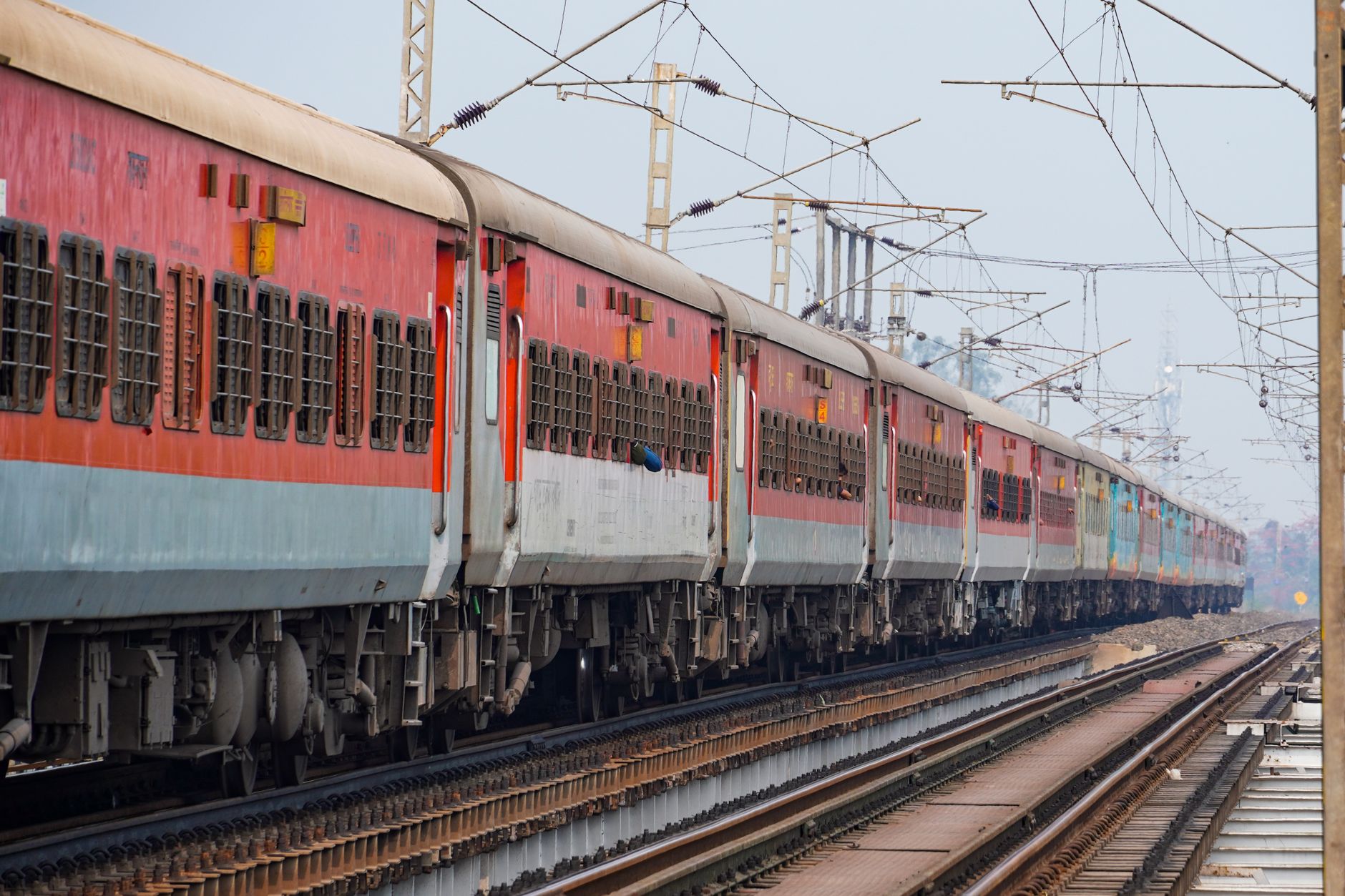
The base codes: CNF, RAC and WL
Every reserved ticket lands in one of three states, and these are the ones you see most often.
- CNF (Confirmed): You have a guaranteed berth. After the chart is made, your exact coach and berth number appear.
- RAC (Reservation Against Cancellation): You can board and you will travel. RAC passengers are allotted a seat — typically two travellers share one side-lower berth as seats — and many get upgraded to a full berth once confirmed passengers cancel. RAC is genuinely safe; treat it like a slightly uncomfortable confirmation, not a gamble.
- WL (Waiting List): You are in the queue. A waitlisted ticket must first climb to RAC and then to CNF as others cancel. The number matters: WL 4 is promising, WL 90 usually is not.
The golden rule: RAC means you travel; plain WL means you might not. The prefixes before WL tell you how fast that queue tends to move.
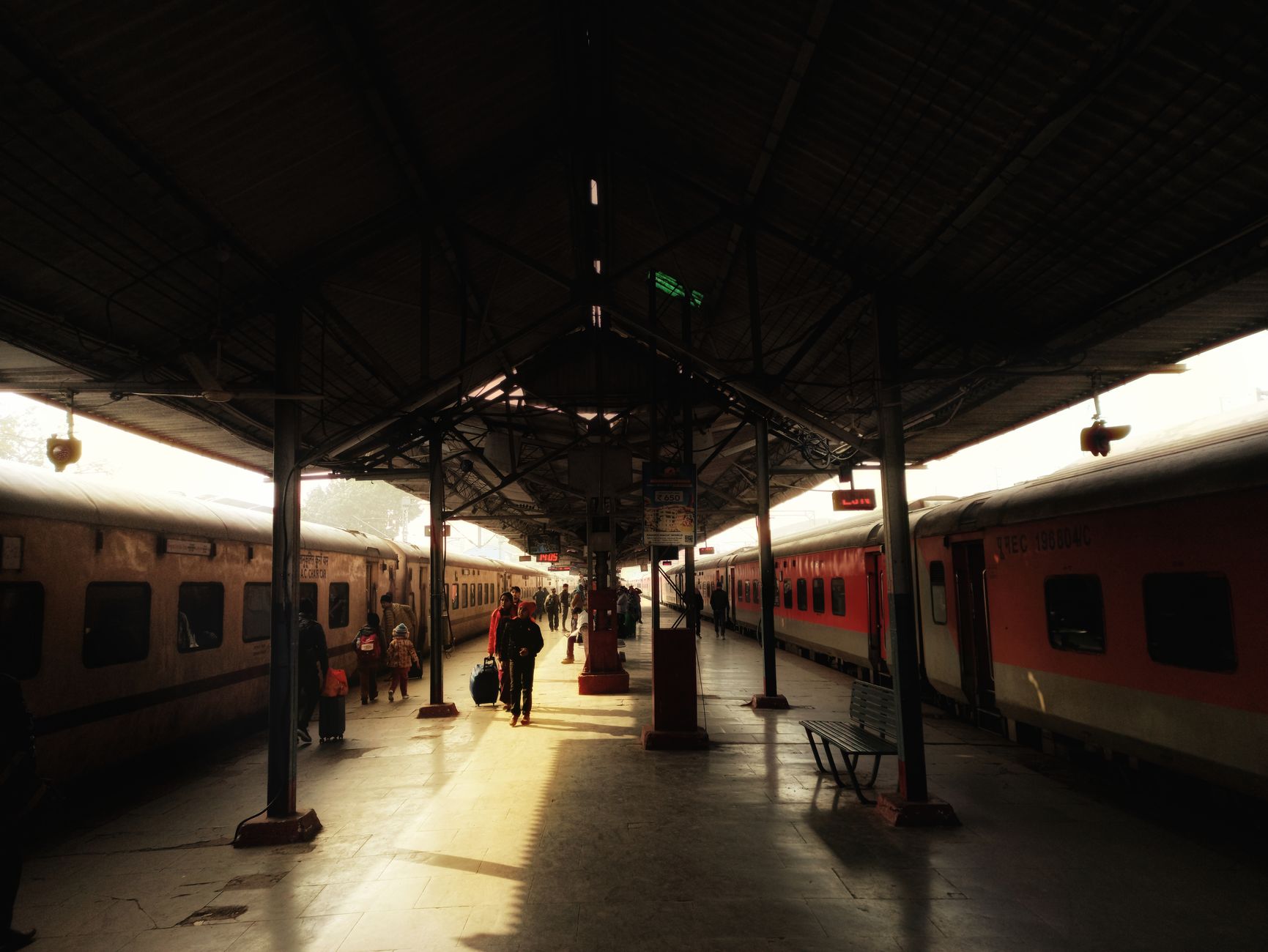
GNWL: the waitlist you actually want
GNWL (General Waiting List) is the most common and the most likely to clear. It is issued when your boarding station is the train's origin or a major station along the route, drawing on the largest seat quota. Because so many confirmed berths are released from these big stations, GNWL queues move quickly.
If you are holding a GNWL ticket with a low number on a popular route, your odds are decent — historically the best of all the waitlist types. When people say their waitlisted ticket "always confirms," they are almost always talking about GNWL.
RLWL, PQWL and RSWL: the weaker queues
This is where most travellers get burned, because the numbers can look small but barely move.
- RLWL (Remote Location Waiting List): Issued for important intermediate stations between origin and destination. These have a tiny dedicated quota, so confirmation depends only on passengers cancelling that specific origin-to-intermediate leg. A RLWL 3 can be harder to clear than a GNWL 15.
- PQWL (Pooled Quota Waiting List): The trickiest of all. A single pooled quota is shared across several intermediate stations for short-distance, mid-route journeys. Because the seats are split many ways, PQWL clears slowly and often does not confirm at all.
- RSWL (Roadside Station Waiting List): Issued when berths are allotted from the originating station to roadside stations; clearance is limited and uncertain.
- RLGN: This is simply what an RLWL ticket is labelled as once booked — the RLWL request becomes a RLGN ticket. Same low-priority quota.
If your code starts with RL or PQ, lower your expectations and have a backup plan.
TQWL: why your Tatkal waitlist rarely clears
Booking under Tatkal and ending up on a waitlist? That is TQWL (Tatkal Quota Waiting List), formerly shown as CKWL. It is the weakest queue of all for one structural reason: TQWL tickets confirm only when other confirmed Tatkal passengers cancel, and they do not get the automatic upgrade priority that general waitlists enjoy when the chart is prepared.
In practice, very few people cancel premium-priced Tatkal tickets at the last minute, so TQWL barely moves. If you are on TQWL, assume you are not travelling unless the number is extremely low, and book an alternative immediately.
The codes that confuse first-timers
A few more abbreviations show up on charts and PNR enquiries:
- NOSB (No Seat Berth): Applies to children aged 5 to 11 when parents opt out of paying for a separate berth — the child travels without an allotted berth.
- WL/RLWL/PQWL with "GNWL" PNR status "CAN/MOD": Indicates the ticket was cancelled or modified.
- RELEASED: Your berth was reallocated, usually after you were upgraded or the booking changed.
- Current Booking: Seats sold cheaply after chart preparation for the remaining journey, available at the station or online in a short window — a smart hack for last-minute travel on emptier trains.
The timing rules that decide everything
Knowing the code is only half the battle; the chart preparation timeline is what seals your fate.
Indian Railways now prepares two reservation charts. The first chart is typically made about four hours before the train departs from its origin, locking in most confirmations and berth numbers. A second chart is prepared closer to departure — generally around 30 minutes before — to release berths from cancellations after the first chart.
Here is the part that catches people out. Since 2016, a fully waitlisted IRCTC e-ticket that has not cleared by chart preparation is automatically cancelled, and the fare (minus minimal charges) is refunded. You cannot board a train on a fully waitlisted e-ticket — the TTE will treat you as ticketless. Only counter (paper) waitlisted tickets bought at a station allow you to board and try your luck.
So if you are holding an e-ticket waitlist:
- Track the PNR status as the journey nears.
- If it is still WL a few hours before departure, plan an alternative — another train, a bus, or a flight.
- Do not show up at the platform assuming the TTE will adjust you. On an e-ticket, that option does not exist.
Tools and tricks to tilt the odds
A few practical moves genuinely improve your chances of travelling:
- Opt into VIKALP (ATAS): The Alternate Train Accommodation Scheme lets waitlisted passengers consent to being shifted to another train on the same route if a berth opens there. It costs nothing and is worth ticking every time.
- Choose your boarding station wisely: Booking from the train's origin station usually puts you in GNWL rather than the weaker RLWL or PQWL, even for the same journey.
- Read the trend, not just the number: A waitlist of 20 on a train with high daily cancellations can clear, while a waitlist of 5 on a lean route may not. Prediction tools estimate confirmation probability from historical patterns — useful, but never a guarantee.
- Keep a backup until the chart is out: Confirmation is only certain after chart preparation. Until then, hold a refundable alternative.
Why this matters
Millions of reserved tickets are booked on Indian Railways every single day, and a large share start life on some waitlist. The difference between a confident GNWL booking and a doomed PQWL or TQWL one is invisible unless you can read the codes — and that ignorance is exactly why so many travellers get stranded or auto-refunded at the worst moment.
Memorise three things and you will rarely be caught out: RAC means you travel, GNWL is the strong queue, and a fully waitlisted e-ticket vanishes at chart preparation. Everything else is detail. The next time you book, you will know in one glance whether to relax or reach for a backup.