Photo: Tom Fisk / Pexels
A Shark That Walks: New Species Found in Papua New Guinea
On a moonlit night in March 2025, a marine biologist slipped into the shallows off Milne Bay in eastern Papua New Guinea and watched a small, freckled shark do something most sharks cannot. It did not glide. It strolled, planting one fin in front of the other across the reef like a creature deciding it had had enough of swimming. That animal has now been confirmed as a species new to science, and it carries a name that delighted the woman who first saw it.
The walking shark is real, it is newly described, and the story of how it was found is as strange as the way it moves.

A new species that strolls the seafloor
The shark has been formally named Hemiscyllium dudgeonae, or Dudgeon's walking shark, in a paper published on 15 June 2026 in the Journal of the Ocean Science Foundation. It belongs to a small group of reef sharks known as epaulette sharks, named for the large eye-like spot sitting just behind the head, like a military shoulder badge.
What sets this group apart is locomotion. Instead of relying only on tail thrust, these sharks use all four fins as limbs, swinging their bodies side to side to clamber over coral and sand. To a diver, it looks less like a fish and more like a salamander wearing leopard print.
Dudgeon's walking shark is the 10th species in the genus Hemiscyllium, and crucially it is the first new one described since 2013. New shark species are not named often, which is part of why this discovery has travelled so far so fast.
The night dive that started it all
The shark was first spotted by Dr Christine Dudgeon, a senior research fellow at Australia's University of the Sunshine Coast, during a night dive in shallow coastal water near Milne Bay. Walking sharks are nocturnal, so darkness is exactly when they come out to forage.
She noticed something off about the patterning on the animal in front of her. Over the next two nights, the team went looking for more, and found another 11 individuals carrying the same distinctive markings. In all, they documented 12 sharks before the species was worked up and described.
The naming brought a rare personal moment for a scientist. As Dr Dudgeon put it, new shark species don't come along often, and this is the first one named after her. The formal description was led by her PhD student Jess Blakeway, with genetic analysis confirming that the animal is closely related to a known relative, Hemiscyllium michaeli, but distinct enough to stand on its own.
How to tell it apart
To the untrained eye, walking sharks can look similar. The new species was separated out by a combination of colour pattern and DNA. Its calling cards are:
- A scatter of brown freckles across the body, mixed with white spots and short dashes
- A bold, eye-like marking behind the head, the classic epaulette spot
- A genetic signature distinct from its closest cousins
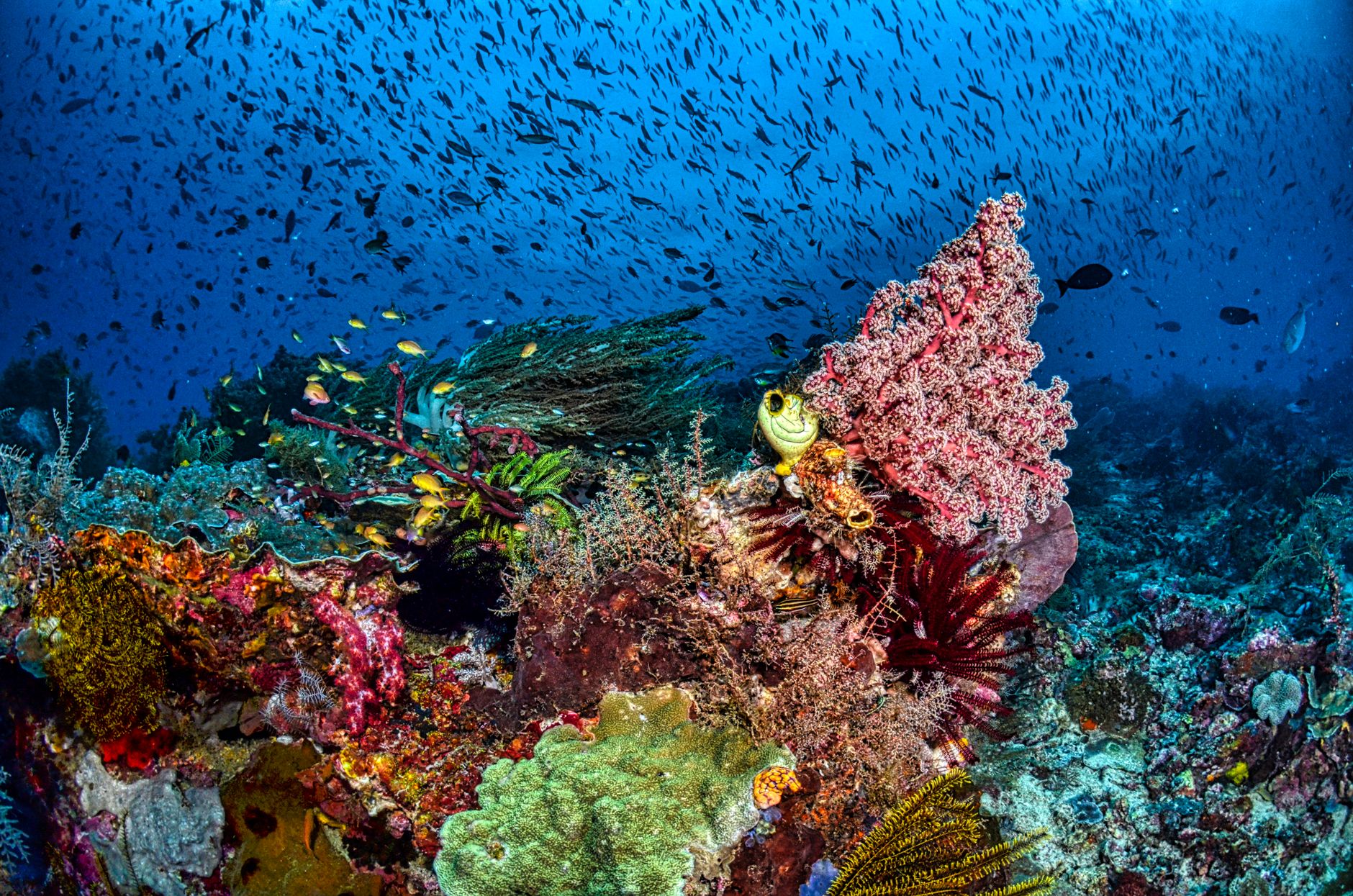
These are small animals. Walking sharks in this genus typically reach around 70 to 80 centimetres, with the largest known individuals stretching past a metre. They live in shallow coastal habitat, often under 10 metres of water, occasionally deeper. They lay egg cases on the seafloor rather than giving birth to live young, and they spend their nights picking invertebrates out of the reef. They are no danger to swimmers.
Why a shark would ever learn to walk
The walking gait is not a party trick. It is survival engineering for one of the harshest neighbourhoods in the ocean: the reef flat at low tide.
When the water drains away, pools left behind can lose oxygen fast, and most fish would suffocate. Epaulette sharks instead do something extraordinary. They can endure long stretches of very low oxygen, slowing their heart rate and breathing and limiting blood flow to parts of the brain to ride out the lean hours. Research on this group has recorded individuals tolerating sharply reduced oxygen for well over an hour, and in some experiments far longer, without losing their wits.
Walking lets them exploit that toughness. While rival predators retreat with the tide, a walking shark can clamber from one stranded pool to the next, hunting trapped crabs, worms and small fish in shallows nothing else can reach. Patience and stubby fins beat speed here.
The youngest sharks on the planet
Here is the detail that flips the usual shark story on its head. We tend to think of sharks as ancient, unchanging machines that have cruised the seas largely the same for hundreds of millions of years. Walking sharks are the opposite.
This whole group is astonishingly young in evolutionary terms. Studies suggest the walking sharks split off and diversified within roughly the last nine million years, with some species emerging perhaps less than two million years ago. That makes them strong candidates for the most recently evolved sharks on Earth.
Scientists think geography did the work. Walking sharks are poor long-distance swimmers, endemic to the waters around Australia and New Guinea. As populations got cut off by shifting sea levels and the restless geology of the region, they could not easily mix back together. Isolated groups drifted apart genetically until they became separate species. Dudgeon's walking shark, locked into one small patch of coast, looks like evolution still caught in the act.
A discovery shadowed by a warning
The celebration comes with an uncomfortable footnote. The same trait that created this shark, its tiny home range, is also what threatens it. A species confined to a sliver of coastline has nowhere to flee when conditions turn bad.
And conditions are turning. Walking sharks in Papua New Guinea face coral bleaching driven by warming seas, habitat damage from coastal development and the spread of palm-oil plantations, and pressure from fishing. Several walking shark species in the region are already listed as threatened, and the researchers expect this newcomer to qualify as vulnerable or endangered once it is assessed.
There is something pointed about that timing. We have just learned this animal exists, and almost in the same breath we are told it may be at risk of disappearing. It is a reminder of how much of the ocean we have not yet met, and how quickly the window can close.
For now, though, the headline holds. Off a quiet stretch of Papua New Guinea, there is a shark that walks, breathes its way through oxygen droughts that would kill almost anything else, and only just arrived on the evolutionary scene. It is one of the strangest animals confirmed this year, and it has been hiding in plain sight in the shallows all along.