Photo: Tarak Nath Das / Pexels
Bagan Time: The One-Hour Clock Assam Has Run for 150 Years
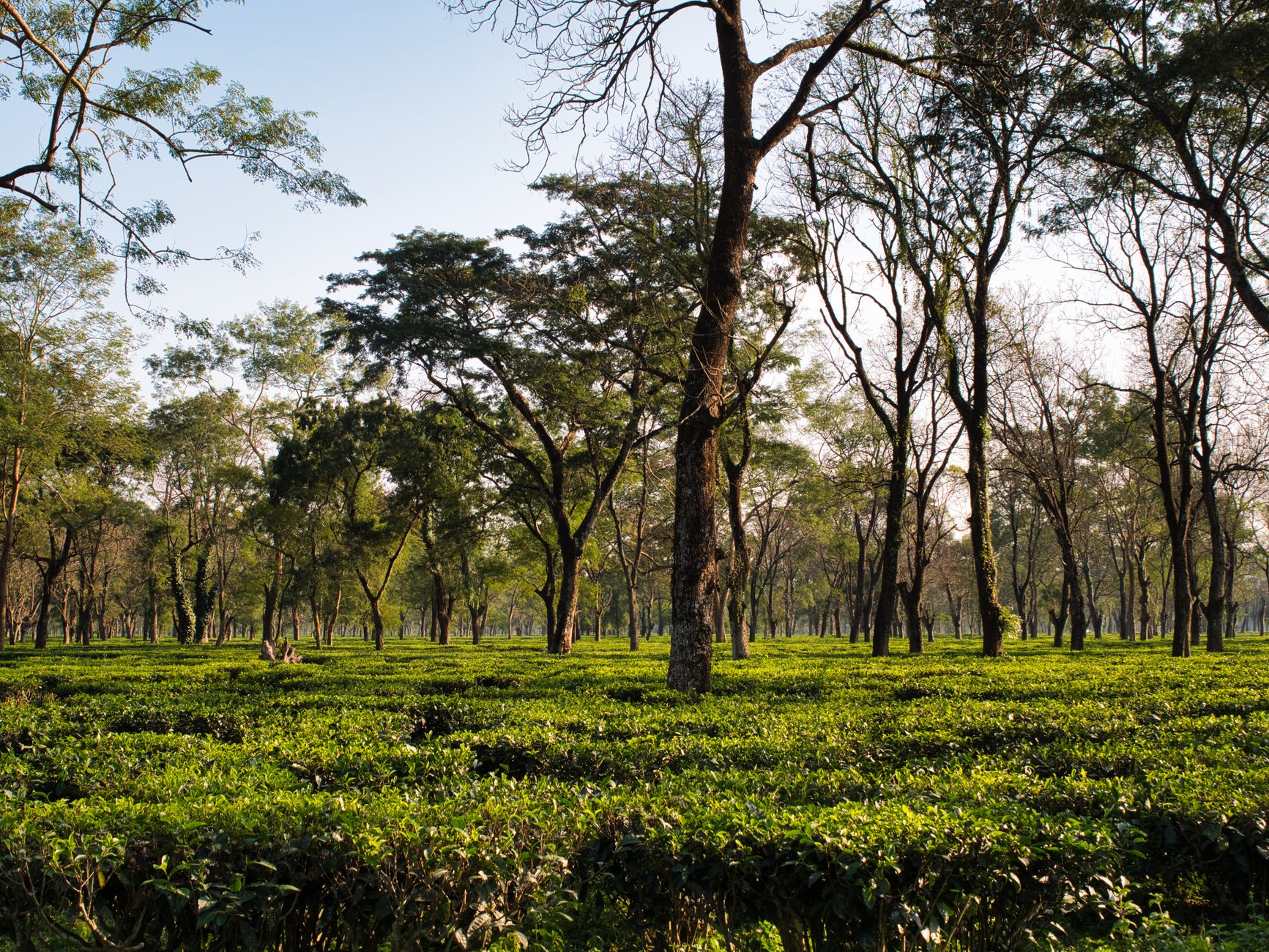
Step into a tea estate near Dibrugarh at what the workers call nine in the morning, and your phone will insist it is only eight. Nobody on the estate is confused. For more than a century, Assam's plantations have run on their own clock, set a full hour ahead of the time the rest of the country agrees on. They call it Bagan Time, or chaibagan time, and it is one of the strangest open secrets in Indian daily life.
It survives in plain sight because India, for all its size, keeps just one official clock. Indian Standard Time stretches unbroken from the Rann of Kutch to the hills above the Brahmaputra, even though the sun does not cooperate with that tidiness. Bagan Time is what happens when a region quietly decides the national clock no longer matches the sky outside its window.

One country, one clock, two hours of sunrise
IST is pinned to a single line of longitude, 82.5°E, which runs near Mirzapur in Uttar Pradesh. That point was picked as a rough national average, and every watch from Gujarat to Arunachal is supposed to read the same. It is convenient for railways, broadcasts and bureaucracy. It is far less convenient for the sun.
India spans close to 29 degrees of longitude, from around 68°E in the west to about 97°E in the far east. That works out to nearly two hours of genuine solar time between the two edges. So while a clerk in Ahmedabad is watching a normal dawn, the sun over Arunachal Pradesh has already been up for the better part of two hours.
In the Northeast the effect is brutal in summer. Daylight can arrive before 5 am, yet schools and offices still open to a 10 am IST routine inherited from Delhi. By the time the official workday begins, hours of daylight have already burned off. By mid-afternoon it is going dark, and lights and fans come on long before the clock says evening.

How the British planters set their own time
The tea companies noticed this mismatch long before anyone wrote studies about it. Colonial planters in Assam wanted to wring every usable hour of daylight out of their labour force, so they simply moved the working day forward by an hour relative to standard time. Start earlier by the clock, finish earlier, and the heavy picking gets done while the light is good.
That is the whole logic of Bagan Time. A typical estate runs its shift from what it calls 9 am to 5 pm, which is 8 am to 4 pm IST. The workers and managers all live inside this shifted clock for the working day, then step back into national time the moment they leave the gate. It is a parallel timekeeping system that has outlived the empire that invented it.
What makes it legal rather than merely customary is a quiet provision in the Plantations Labour Act, 1951. The law lets state governments and plantation managements fix the local working time for a plantation area. So Bagan Time is not a rebellion against IST. It is a sanctioned local arrangement that most of India has simply never heard of.
Why a wrong clock costs real money
There is a hard economic edge to all this, and it is not romantic. When your official clock lags two hours behind the sun, you waste daylight in the morning and pay for artificial light in the evening. Multiply that across millions of homes and offices in the eastern states, and the bill is large.
This is exactly the case scientists at CSIR-National Physical Laboratory laid out in a study published in the journal Current Science in 2018. They argued that India should drop the single-zone habit and split into two:
- IST-I (UTC+5:30): the existing clock, covering the country between roughly 68°E and the demarcation line near 89°52′E.
- IST-II (UTC+6:30): a new zone one hour ahead, covering the Northeast and the islands east of that line, including Assam and its neighbours.
The pitch was not just comfort. By better matching working hours to actual daylight in the east, the researchers estimated the country could save a meaningful chunk of electricity every year — the NPL study put the figure at around 20 million units annually. In other words, Bagan Time was not a quaint colonial leftover. It was an early, accidental version of exactly what the energy economists now recommend.
The fear that keeps India on one clock
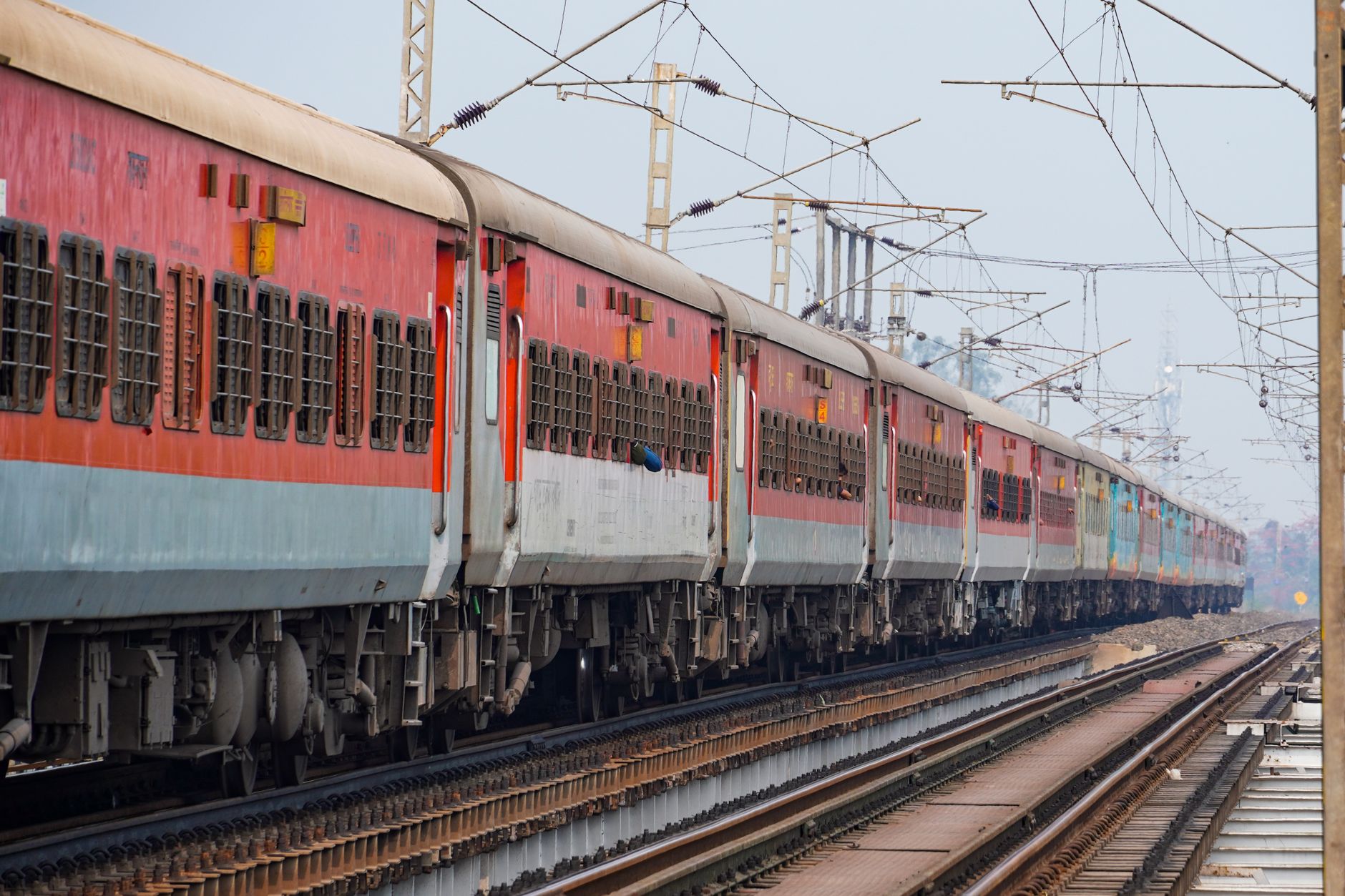
If the case is so clean, why hasn't India done it? The answer is a mix of nerves and logistics. The strongest objection is safety, and it lands hardest on the railways. Trains run on a single national timetable, and a clock boundary slicing across the network raises the spectre of two trains on one track operating on times an hour apart. One missed mental adjustment near a zone line, the argument goes, is one collision waiting to happen.
The proposed boundary itself is awkward. It would fall close to the narrow Siliguri Corridor, the slim strip of land connecting the Northeast to the rest of the country, where a time seam would feel especially jarring for anyone crossing it daily. Critics also worry about everyday confusion: flights, banking, broadcasts and phone networks all assuming a single zone.
There is a political layer too. A separate clock for the Northeast can be read, fairly or not, as drawing a line between that region and the mainland. For a government wary of anything that looks like division, that symbolism is heavy. So the proposal keeps resurfacing and keeps stalling, most visibly when Assam's own leaders floated a daylight-shifted schedule and got no green light from the Centre.
What the tea gardens already prove
The quiet irony is that Assam has been running a live experiment for over a century, and it works. The estates have shifted their clock, kept their trains and lives functioning, and harvested the daylight the rest of the eastern belt squanders. Bagan Time is not theory. It is a functioning, decades-old proof that a region can live an hour ahead without the sky falling.
A few things are worth holding onto:
- One clock is a choice, not a law of nature. China runs a single zone across an even wider span and pays for it in pre-dawn winters; India simply made the opposite trade-off in the east.
- Bagan Time is a workaround, not a fix. It serves the plantations, but the schoolchild and the shopkeeper in Guwahati still live on Delhi's clock.
- The debate is dormant, not dead. Every energy crunch and every long, dark eastern evening brings the two-zone idea back to the table.
For now, the cleanest way to understand India's relationship with time is to stand in an Assam tea garden at dawn. The pickers are already at work, the light is generous, and their clock says it is later than the nation believes. They are not wrong. They are just honest about where the sun actually is.