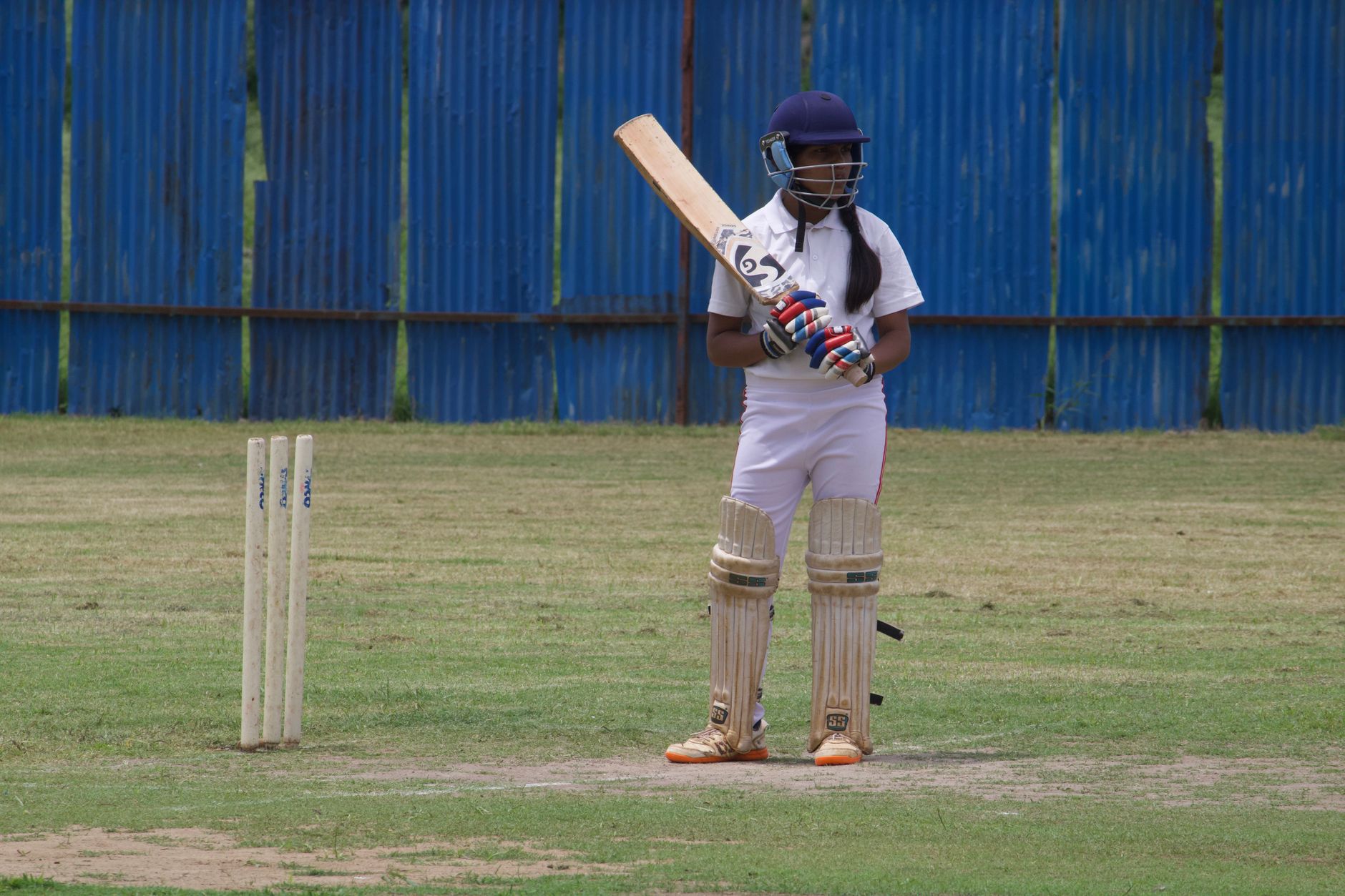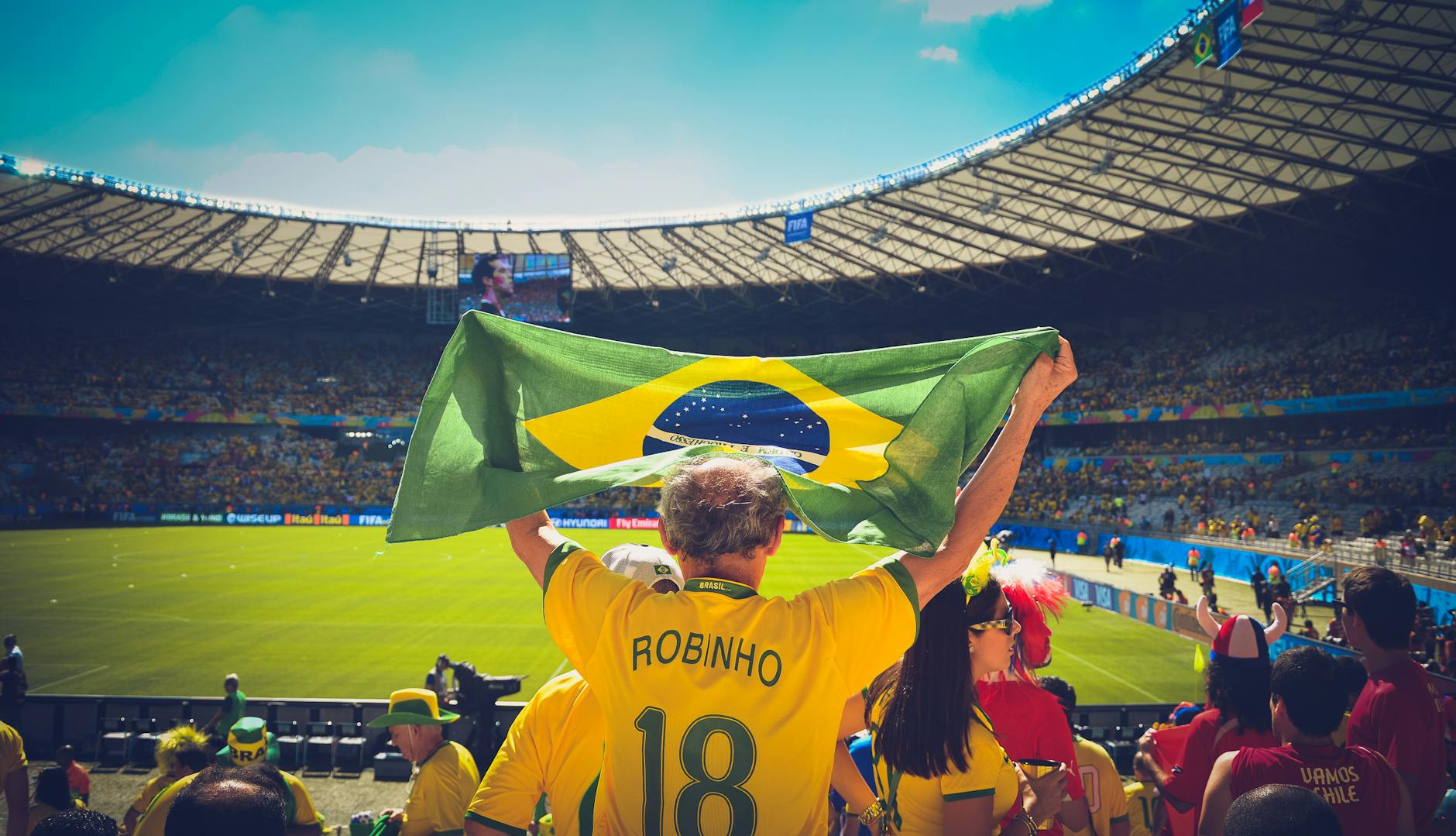
Photo: Caio / Pexels
FIFA World Cup 2026: Why Cricket-Mad India Can't Look Away
When the FIFA World Cup 2026 opened on 11 June with hosts Mexico facing South Africa at the Estadio Azteca, the loudest reaction online did not come from Mexico City or New York. A big slice of it came from India, a country that has not reached a men's World Cup since 1950 and treats cricket as something close to a state religion. Search the word "cricket" in India this week and football keeps muscling into the results. That collision — a cricket-obsessed nation pouring attention into a tournament it isn't even playing in — is the real story.
The timing is what makes it irresistible. India lifted the T20 World Cup trophy barely three months ago. Now the same fans are setting alarms for after-midnight football. Two World Cups, one summer, one enormous audience that refuses to pick a lane.
A cricket nation that suddenly speaks football
The numbers are genuinely startling. In the 90 days before kick-off, Indian audiences generated around 9.7 million pageviews of World Cup content on the open web, making India the second-most engaged market on earth, behind only the United States. A country with no team in the draw was more switched on than France, Spain or Germany.
That sits awkwardly next to the other big number. Cricket still commands close to 90% of India's sports viewership. Football is a clear second, and a distant one in rupee terms. But "second in India" is not a small thing — it is a market of a billion-plus people, and the gap is shrinking every cycle.
The explanation isn't a sudden conversion. It's the way Indian fandom works now. Millions follow the Premier League, La Liga and the Champions League through the season, adopt European clubs, and argue about Messi versus Ronaldo with the same heat they bring to Kohli versus Babar. The World Cup simply gathers all of that into one four-week window.
Why this is trending inside cricket talk
Here's the part that surprises people: a lot of the football chatter is being driven by cricket fans and cricketers themselves. India's dressing room is full of unapologetic football obsessives. Players post about their clubs, turn up at matches in the off-season, and treat the World Cup as appointment viewing.
That overlap is why the tournament keeps surfacing in cricket feeds rather than staying neatly in a football corner. The audiences are the same people. A fan who spent March glued to the T20 final is, in June, the same person debating whether Brazil or Argentina has the better midfield. The algorithms read both, and the two worlds bleed into one another.
There's also a scheduling truce at play. With the IPL wrapped and no major India series clashing head-on, the calendar has left an opening. For once, football gets clear air in the Indian sporting conversation, and it is using every minute of it.
The broadcast scramble that nearly spoiled the party
For weeks, the biggest worry for Indian fans wasn't the draw — it was whether they would even see the matches. The rights situation dragged on uncomfortably close to kick-off, with FIFA and Indian broadcasters far apart on price. Reports suggested FIFA initially sought a sum well into the tens of millions of dollars before the figure came down sharply.
The resolution landed late. Zee stepped in with a last-minute agreement, reported at roughly $40 million, struck only about a week before the opening match. Under the deal, all 104 games are available in India across Zee's Unite8 television channels and its ZEE5 streaming service.
The near-miss told its own story. A decade ago, a delayed football rights deal in India would barely have registered. In 2026 it became a genuine controversy, with fans openly angry at the prospect of a blackout. Advertisers, on the other hand, were slower to react, and several commentators argued Indian brands left money on the table by underestimating the football audience.
What the cricket fan should actually watch
This is the first 48-team World Cup, expanded from 32, spread across three host nations. That means more matches, more debutants and more chaos in the group stage. For an Indian viewer wiring it into a cricket-shaped brain, a few things are worth tracking:
- The expanded format. More teams means more upsets are mathematically likely. Expect at least one fancied side to wobble early, the football equivalent of a top order collapsing in a chase.
- The late-night IST grind. Most headline kick-offs land deep in the Indian night. Pace yourself the way you would for an away Test series in Australia.
- The star farewell subplot. Reports suggest this could be the last World Cup for some of the game's biggest names, which is exactly the kind of legacy story Indian audiences love.
- The host-nation noise. With matches across the US, Canada and Mexico, the atmosphere and travel logistics are unlike any previous edition.
The T20 World Cup high it's riding on
None of this lands the same way without the cricket backdrop. India go into this football summer as reigning T20 world champions. On 8 March 2026 at Ahmedabad's Narendra Modi Stadium, they thrashed New Zealand by 96 runs, posting a colossal 255/5 with Sanju Samson smashing 89, then bowling the Black Caps out for 159.
It was a record-breaking night. India became the first team to defend a men's T20 World Cup title and the first host nation to win the tournament, with the highest total ever made in a final. The country was already in a championship mood. Football simply gave that energy somewhere new to go.
That's the quiet shift worth noticing. For years the assumption was that cricket crowded everything else out. What 2026 shows is something more interesting — a sports audience confident enough to celebrate a home cricket triumph and then stay up till dawn for football it has no stake in.
Where India's football moment goes next
The honest caveat: engagement is not the same as money, and it is not the same as a national team. India's men remain far from World Cup contention, and the domestic football economy is a fraction of cricket's. A spike in pageviews every four years does not, on its own, build a footballing power.
But the direction is clear. Each World Cup cycle, India's digital footprint grows, broadcasters fight harder for the rights, and the line between cricket fan and football fan blurs a little more. The 2026 edition, sitting just months after a home T20 title, may be remembered as the summer the two finally stopped being separate conversations.
For now, the trend lines tell the story. A cricket-mad country has decided it can love both. And judging by the numbers pouring in before a single Indian player took the field, it isn't a passing fling.