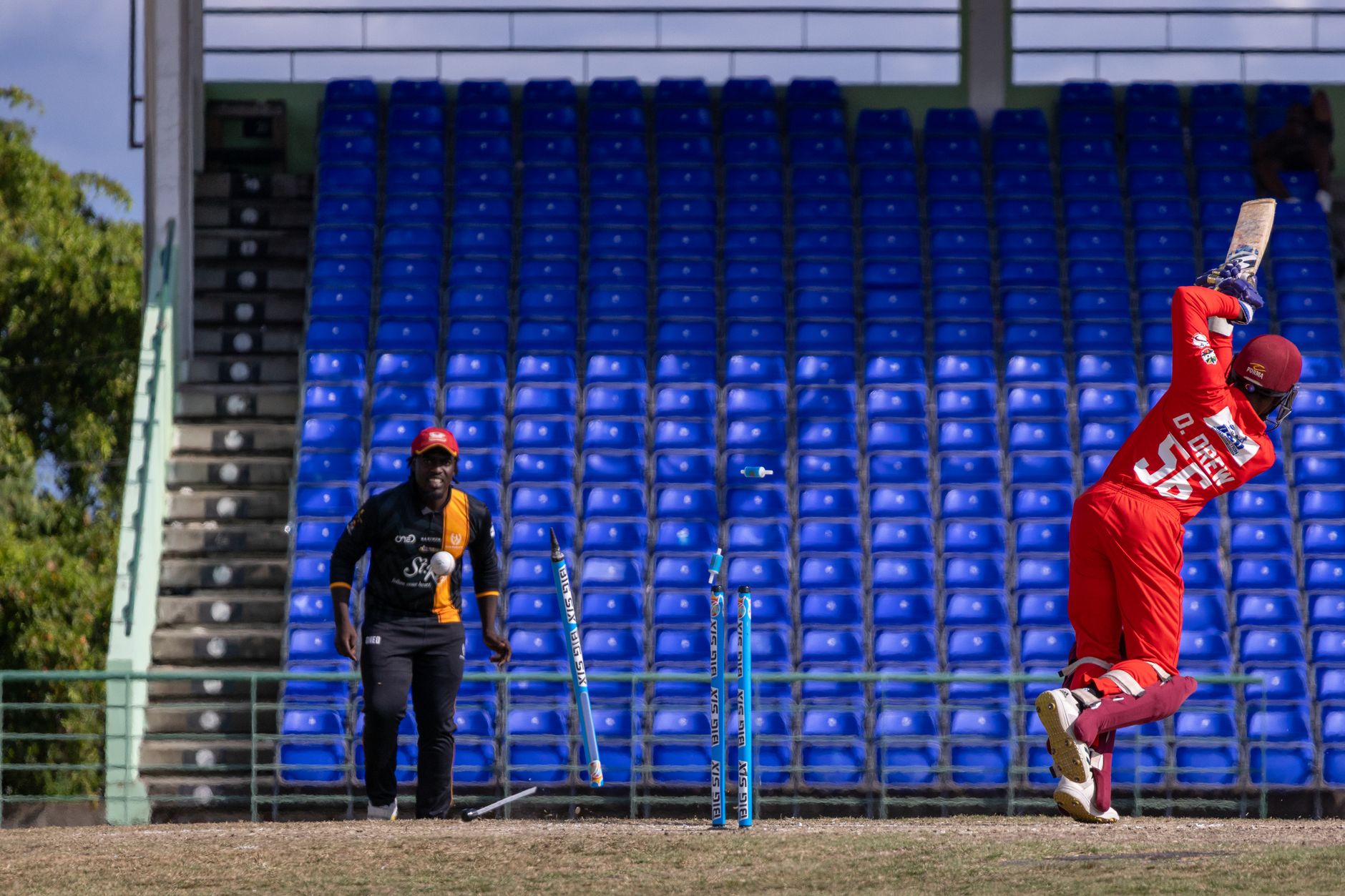
Photo: Omar Ramadan / Pexels
FIFA World Cup Standings Have India's Cricket Fans Hooked
It is the middle of a busy cricket month in India. The Men in Blue are in Belfast for a short T20I series, a women's World Cup is unfolding across England and Wales, and yet the phrase lighting up Indian search bars and group chats is borrowed from the other code entirely: FIFA World Cup standings. For a country that usually measures June in run rates and net run rates, the sudden fixation on football group tables is its own little story.
The reason is simple once you see the calendar. The 2026 FIFA World Cup has hit the knife-edge phase, the group stage is closing out across three host nations, and the standings change with almost every whistle. Cricket fans who can read a Duckworth-Lewis equation in their sleep have found a new table to obsess over, and it rewards exactly the kind of number-crunching they enjoy.
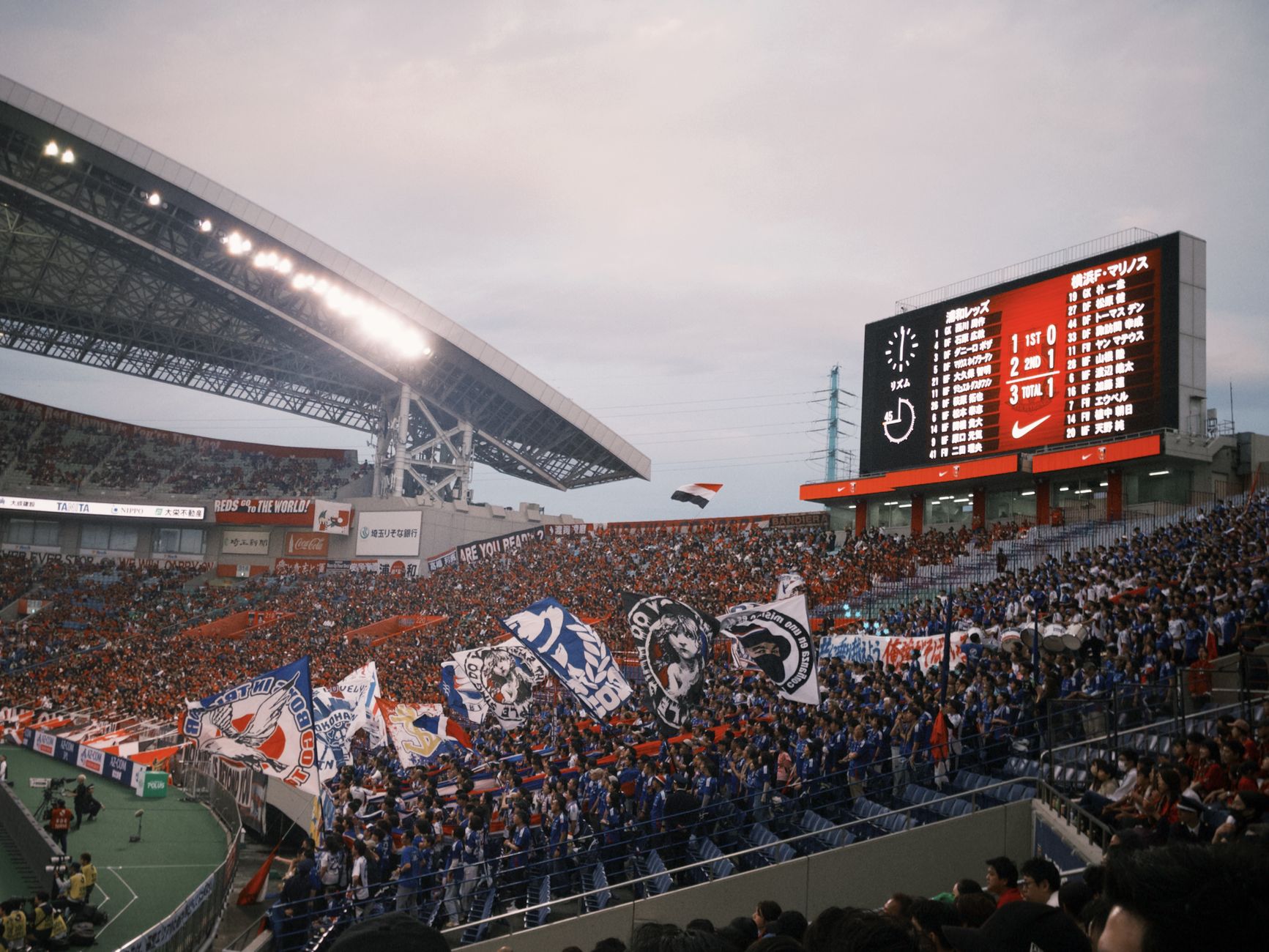
Why a football table is trending in cricket country
India does not have a team at this World Cup, so the pull is not patriotism. It is the format, the chaos, and the timing. The group stage finishes just as India's cricket fixtures pause between sessions, leaving fans toggling between a live scorecard and a group table on the same phone.
There is also a familiarity at work. A points table with goal difference as a tie-breaker is not so far from a points table with net run rate, the metric every IPL follower spends April arguing about. The mental muscle is the same: who is through, who needs a result elsewhere, what a late goal does to the math. That overlap is a big part of why the standings have travelled so far beyond football's core audience here.

The new 48-team math, kept simple
This is the first World Cup with 48 teams, and the structure is what makes the table so addictive to track. Here is the shape of it:
- 12 groups of four teams play a single round-robin.
- The top two from each group go straight through.
- They are joined by the eight best third-placed teams across all groups.
- That fills a 32-team knockout bracket, single elimination from there.
That third-place safety net is the twist. Finishing third no longer means you are out, it means you are in a separate league table of your own, ranked against the other group's also-rans. A team can lose its final group game, sit nervously for two days, and still squeak through because someone in another time zone failed to score.
The tie-breakers fans keep refreshing for
When teams finish level on points, the order is decided in steps, and this is the part Indian fans have taken to like a second scorecard. The sequence runs: points, then goal difference, then goals scored, then disciplinary record, with a drawing of lots only as the last resort.
Goal difference is doing a lot of heavy lifting this tournament. It is the football equivalent of net run rate deciding an IPL playoff spot, and it has already settled at least one group at the top. That is why a dead-rubber goal in the final minute, the kind that once felt meaningless, now sends people scrambling back to the table.
Who is already through
A few results are locked in. The United States, one of the host nations, won Group D and became one of the first sides into the Round of 32, helped by Australia and Paraguay's results falling their way. As co-hosts playing at home, their progress was always likely, but topping the group rather than scraping through matters for the bracket.
Brazil provided the cleanest illustration of the new tie-break drama. They and Morocco both finished Group C on seven points, and it came down to goal difference, with Brazil edging it after a tight, low-conceding group campaign. Both advanced, but only one carried the group-winner's tag into the draw. For neutrals in India, that kind of fine-margins finish is catnip.
Several marquee groups are still being decided as the final round of fixtures plays out, with heavyweight names facing genuine pressure to avoid the third-place lottery. Until those whistles blow, the smart move is to treat the bottom of the bigger groups as a live preview rather than a settled result.
What comes next on the bracket
The group stage gives way to the knockouts from 28 June, running through to the final on 19 July 2026 at MetLife Stadium near New York. From the Round of 32 it is straight elimination, with no second chances and no net-run-rate cushions, which is where the tournament's emotional voltage really spikes.
For Indian viewers the timing is friendly enough that the big knockout games slot into evenings and late nights, the same window cricket usually owns. Expect the crossover audience to grow rather than shrink once the bracket narrows to the genuine contenders, because knockout football and a T20 run chase scratch the same itch: one mistake, one moment, game over.
The cricket India is actually playing
None of this means the bat-and-ball calendar has gone quiet. India are in Belfast for two T20Is against Ireland at Stormont, on 26 and 28 June, a low-key but useful run-out against a side that has caused bigger names trouble at home before. The matches start in the evening India time, which puts them in direct competition with the football for the remote control.
The Women's T20 World Cup is also under way in England and Wales, giving fans a genuine reason to keep one eye on a real Indian campaign while the FIFA table churns in another browser tab. Add the steady drip of domestic and A-team cricket through the summer, and June 2026 is shaping up as one of those rare stretches where Indian sports fans are spoilt for tables to track at once.
Why the crossover matters
The trend says something quietly significant about how Indian sport is consumed now. A decade ago a football World Cup without an Indian team would have been a niche, late-night affair. Today it sits comfortably alongside the national obsession, with the same fans who debate impact-player rules dissecting third-place permutations.
Part of that is the format doing its job. By keeping more teams alive deeper into the group stage, the 48-team World Cup manufactures exactly the kind of last-day jeopardy that travels well on social media and into cricket-first markets like India. So if your timeline is suddenly full of goal-difference math from people who normally talk about strike rates, this is why. The FIFA World Cup standings have become the summer's other points table, and India's cricket crowd has decided there is room for both.