Minecraft 'More Hearts, More Body Parts': Why It's Viral
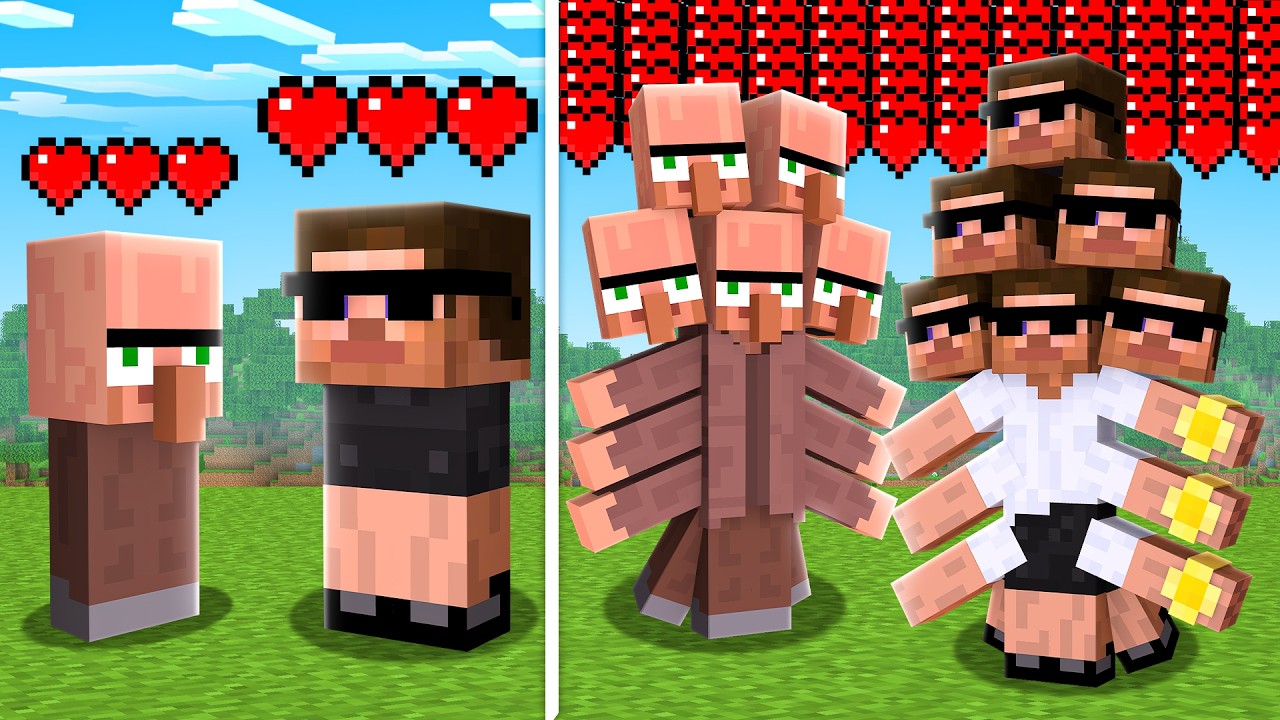
A clip with a deliberately strange title — "Minecraft But More Hearts Give More Body Parts" — is racking up views and comments across YouTube, and it is a near-perfect specimen of the format that now rules children's screen time in India and worldwide. There is no new official Minecraft update here. What you are watching is a creator-built challenge: an ordinary survival world bent by one absurd rule, filmed for maximum reaction.
The video sits inside the "Minecraft But" genre, one of the most reliable view-printing machines on the platform. The recipe is simple and the title tells you everything: take Minecraft, add a single bizarre condition, then survive long enough to reach a goal. In this case, the twist links a player's hearts — Minecraft's health units — to body parts, so progress and survival become a grotesque, funny game of building yourself up or falling apart.
What the challenge actually does
In vanilla Minecraft, hearts simply track health. You take damage, hearts drop; you eat or heal, they return. This video rewires that. Using a datapack, plugin or command blocks, the creator ties the number of hearts to body parts appearing on the player or on mobs, so the screen fills with limbs, heads or stitched-together creatures as the run goes on.
That is the whole trick, and it works because it is visual and immediately legible. A viewer who has never coded anything understands the stakes in five seconds: more hearts, more parts, more chaos. The challenge usually ends with a payoff — beating a boss, surviving a set time, or reaching a final transformed state.
The craft sits in the editing, not the rule. These videos are paced like cartoons: rapid cuts, on-screen reactions, sound effects punching every surprise. Dead air is removed. The result is a tight 10-to-20-minute story with a clear beginning, escalating middle and a finish, which is exactly what YouTube's recommendation system rewards.
Why the "But" format keeps winning
The "Minecraft But" template went big around 2020, popularised by creators who turned challenge runs into appointment viewing. Years later it refuses to fade, and the reasons are structural rather than lucky.
- The title is the hook. It states the rule and the conflict in one line, so the click decision is instant.
- Stakes are obvious. You always know what the player wants and what could go wrong.
- It is endlessly remixable. Swap one variable — diamonds, mobs, gravity, hearts, body parts — and you have a fresh video without a new game.
- It survives short attention spans. Every minute delivers a small win or disaster, so viewers rarely drift.
That last point matters most for the audience these videos chase. A large share of viewers are children and teenagers, and the format is engineered for retention — the metric that decides whether YouTube pushes a video to millions or buries it. Strange-but-clear titles like this one are essentially thumbnails in text.
The audience, and why India is central
Minecraft is one of the best-selling games ever, and its biggest cultural footprint now lives on YouTube rather than on consoles. India is a heavyweight in that economy. The country is among the largest sources of Minecraft-related viewing on the platform, powered by cheap data, a young population and a wave of homegrown gaming channels.
For Indian kids, these videos double as entertainment and as a how-to. Many viewers cannot run mods or own a gaming PC, so they watch creators do it. The comment sections fill with requests for the datapack, questions about how the rule was coded, and demands for the next twist. A single viral idea can spawn dozens of copies within days as smaller channels chase the same trend.
That copy-fast culture is the genre's engine and its weakness. Originality is thin; the same mechanics recirculate under louder titles. But for a young audience discovering each idea for the first time, freshness is beside the point.
The money behind the mayhem
A hit challenge video is not just play. Channels at this scale earn through several streams at once, and a viral upload can move all of them:
- Ad revenue from views, though rates fall sharply for content labelled "made for kids" under US child-privacy rules that apply globally.
- Brand deals, often gaming gear, mobile games or snacks aimed squarely at teens.
- Merchandise and memberships for the most loyal fans.
- Cross-platform spillover to Shorts, Instagram Reels and Discord communities that deepen the audience.
The economics explain the relentless output. Creators in this space frequently post several times a week, treating each twist as a product test. When one — like hearts-into-body-parts — pops, the smart move is to franchise it: sequels, harder versions, collaborations.
The flip side parents are weighing
The genre is not without friction. Critics argue the visual grammar — constant stimulation, jump-cut rewards, exaggerated reactions — trains short attention and pushes endless autoplay. The body-horror framing of a title like this one, however cartoonish in execution, can also read as darker than the blocky gameplay actually is.
There is a real distinction worth holding onto. The Minecraft footage itself is almost always tame and bloodless; the shock lives in the wording. Still, YouTube's algorithm can chain a child from one challenge to far less suitable content, which is the genuine risk rather than any single clip.
A measured approach beats a blanket ban:
- Check whether videos are flagged "made for kids" and use YouTube Kids or supervised accounts for younger children.
- Watch a few episodes yourself to judge a channel's tone and language.
- Set screen-time limits, since the format is built to keep you watching.
- Skim the comments, which often reveal an audience's real age and behaviour.
What comes next for the trend
Expect the body-parts idea to be cloned, escalated and eventually exhausted, the standard life cycle of any "Minecraft But" hit. The more interesting shift is technical. Cheaper modding tools and AI-assisted coding are letting smaller creators build elaborate custom rules that once needed real programming skill, which means the next viral twist could come from a bedroom channel with a few thousand subscribers rather than an established star.
Minecraft's own momentum adds fuel. The franchise is enjoying a fresh wave of attention after its leap to the big screen, and every spike in mainstream interest sends more curious newcomers toward exactly these challenge videos. For India's vast young audience, that pipeline shows no sign of slowing.
The takeaway is simple. A video about hearts turning into body parts is not a glitch in the system or a sign of anything sinister. It is the system working as designed — one weird rule, one clear race, and millions of viewers who want to see how it ends.