Photo: Franco Monsalvo / Pexels
World Cup 2026 Tactics: Why Fullbacks Keep Drifting Inside
Four days into World Cup 2026, the most repeated image isn't a wonder goal or a goalkeeping howler. It's a defender jogging the wrong way. Watch almost any of the heavyweight teams build from the back and you'll see a fullback abandon his touchline, slide into central midfield, and start dictating play from a position he has no business occupying. This is the inverted fullback, and it has become the quiet organising idea of the whole tournament.
The tactic isn't new. Pep Guardiola weaponised it at club level years ago, and national teams have been borrowing it ever since. What's striking is how total the adoption has become. By the time the 48 teams arrived in North America, a side without some version of this move looked like it had turned up a tactical generation late.
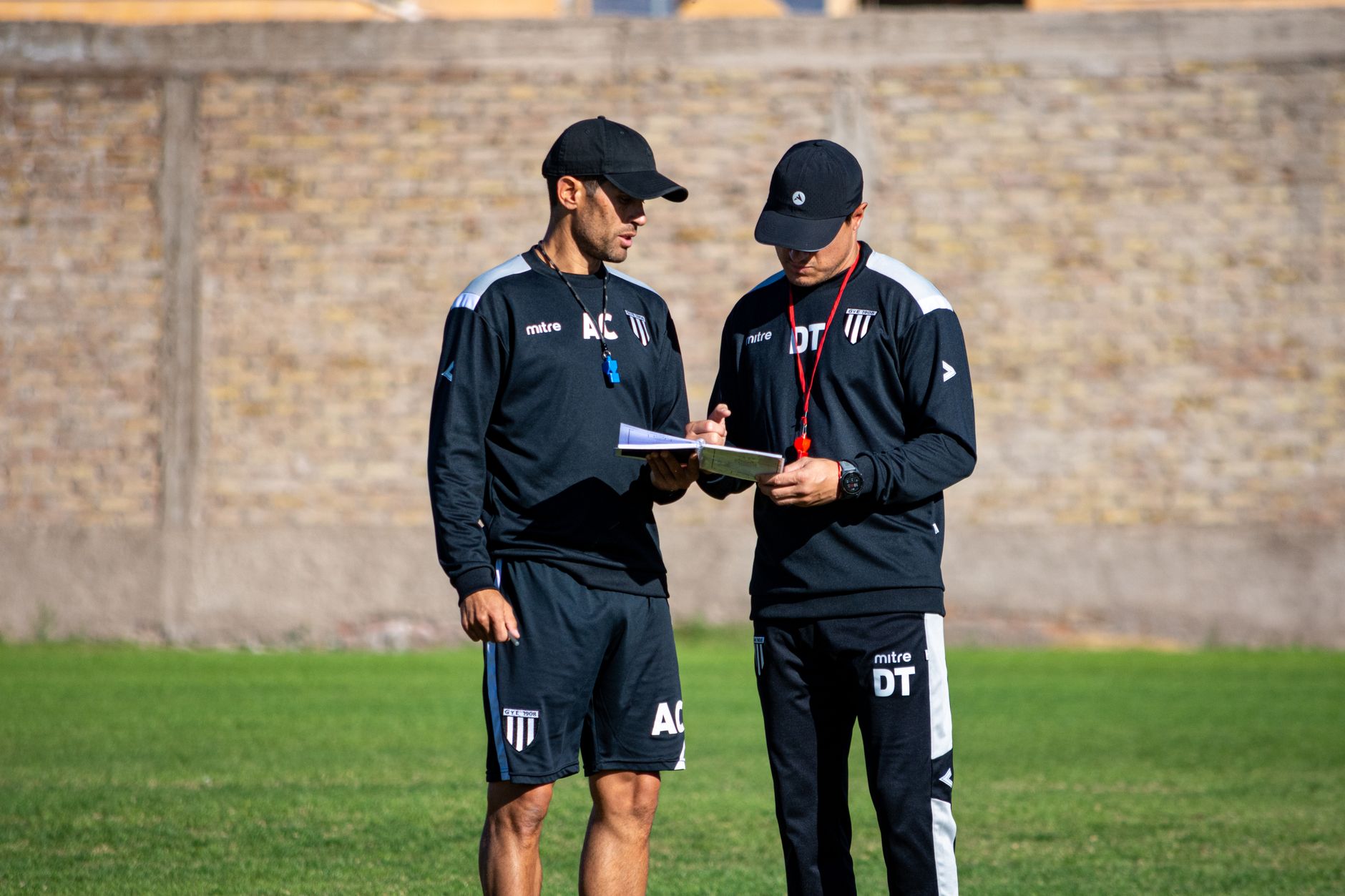
The fullback who refuses to stay wide
The logic is simple once you see it. A traditional fullback overlaps down the wing and whips in crosses. The problem is that elite defences have learned to deal with crosses; they pack the box and head them clear. So coaches asked a different question: what if the fullback stopped supplying width and instead added control in the middle?
When the wide defender steps inside, three things happen at once. The team gets an extra body in central midfield, which makes it harder to press and easier to keep the ball. The structure quietly turns into a back three when the opposition attacks, covering the space behind. And the winger ahead of him is freed to stay high and wide, becoming the team's only real source of width on that flank.
It's a trade. You give up the marauding overlap and you buy possession control and counter-press protection. At a tournament where one bad transition can end your summer, that trade looks increasingly sensible.

A format that rewards control over chaos
The tactics can't be separated from the new maths. This is the first 48-team World Cup, split into 12 groups of four. The top two from each group go through, plus the eight best third-placed teams, filling a brand-new Round of 32.
That structure changes the risk calculus. In the old 32-team format, a draw in your second game often felt like a death sentence. Now a single win and a couple of draws can be enough to sneak through as a strong third-placed side. Coaches know this. The incentive isn't to throw everyone forward and chase a 3-0; it's to stay organised, avoid the calamitous concession, and keep the goal difference respectable.
The inverted fullback fits that brief perfectly. It is, at heart, a control mechanism. It keeps the ball, shortens the game, and reduces the moments where a team is stretched and vulnerable. In a tournament that quietly rewards not losing, that is a powerful thing.
What the opening days have shown
Hosts Mexico set the tone on 11 June, beating South Africa 2-0 at the Azteca through early goals before the match descended into chaos. It produced a record three red cards, the most ever in a single World Cup game, which tells you something about how charged these openers have become. Control is the plan; keeping eleven players on the pitch is the precondition.
Elsewhere the pattern has held. The sides expected to go deep — the European pace-setters in particular — have leaned into aggressive pressing the moment they lose the ball, then reset into their slow, patient build-up shape when they win it back. Analysts tracking pressing intensity have noted that the metric for how quickly top teams swarm the ball has been climbing, while the tolerance for sloppy, end-to-end football has dropped.
Not everyone is convinced it's pretty. There's a fair argument that the inverted style can flatten matches, turning the first hour into a chess game where nobody wants to commit. But the teams using it best aren't passive. They invert to control, then strike fast through a high winger or a runner from midfield the instant a gap opens.
Why width has become a luxury
Here's the catch nobody mentions enough. When both fullbacks drift inside, a team can run short of natural width, and width is still how you stretch a deep block. The fix has been to ask the wingers to do a job they used to share.
Several sides are now built around inverted wingers too — wide players who cut inside onto their stronger foot — paired with a single overlapping fullback on the opposite flank. It's a balancing act. Push both fullbacks in and you risk becoming narrow and predictable. England, to take one example, have been criticised for crowding the central channel and blunting their own crossing threat by insisting on creators rather than crossers out wide.
The teams getting it right tend to keep one side traditional and one side inverted, so they always have a release valve. Watch for which flank a team chooses to overload; it usually tells you where they think the game will be won.
What Indian fans should actually watch for
For viewers in India, the venues across the United States, Mexico and Canada mean most kickoffs land in the late-night or early-morning IST window. If you're picking your matches carefully rather than watching everything, here's where the tactical story is most visible:
- The first 20 minutes of build-up. Count how often a fullback steps into midfield. The more disciplined teams do it almost every possession.
- The reaction to losing the ball. Look for an instant swarm of three or four players. That counter-press is the other half of the inverted system.
- Who provides width. Identify the one fullback still hugging the line. That side is usually the team's intended attacking route.
- Game state after 60 minutes. With third place often enough to advance, watch how teams that are level start managing the clock rather than chasing.
Do that for a couple of matches and the tournament stops looking like 22 players chasing a ball. It starts looking like a series of structural arguments about space.
The bigger picture
There's a slight irony in all this. The World Cup expanded to 48 teams partly to invite more underdogs and more unpredictability. Yet the tactical response from the heavyweights has been to make matches more controlled, not less. The inverted fullback is the clearest symbol of that instinct — a move designed to reduce randomness, deployed at a tournament built to increase it.
Whether that produces a memorable summer or a cagey one will depend on the smaller teams. If a Cape Verde or a Tunisia can press these possession-heavy sides into mistakes, the control merchants will have to gamble. And the moment a coach tells that inverted fullback to stay wide and overlap again, you'll know the calculus has shifted. For now, the defender drifting infield is the man running World Cup 2026, even if the cameras keep looking elsewhere.