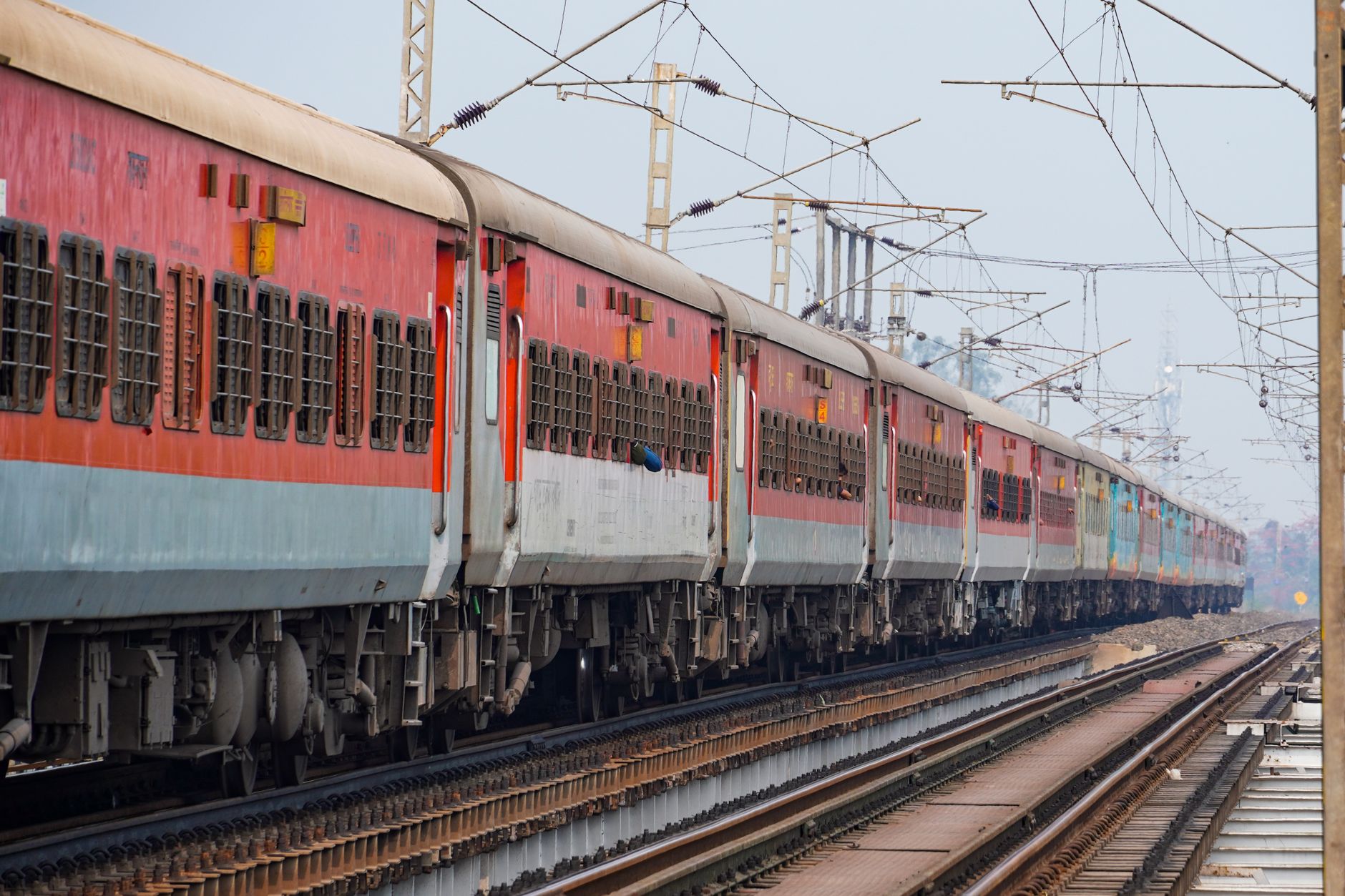
Photo: masudar rahman / Pexels
India's Secret Second Time Zone: Assam's Bagan Time
Set your watch in Mumbai and again in Itanagar, and the dial reads exactly the same. Yet the sun has already been up for nearly two hours over Arunachal Pradesh while Gujarat is still dark. India is one of the largest countries on Earth to run on a single clock — Indian Standard Time (IST), fixed at UTC+5:30 — and that one decision quietly reshapes work, sleep and even electricity bills across the country. The most fascinating twist? Parts of India never fully accepted it. Deep in Assam's tea belt, an unofficial second time zone called Bagan Time has ticked an hour ahead of the rest of the nation for over a century.
One nation, one clock — and one meridian
IST is calculated from a single line of longitude, 82.5°E, which passes close to Mirzapur in Uttar Pradesh. Every clock from Kutch to Kohima is slaved to that one reference point. The atomic clocks that actually keep this time live at the CSIR-National Physical Laboratory (NPL) in New Delhi, which broadcasts the official time signal the whole country relies on.
The logic for a single zone was administrative neatness. After Independence, one time made railways, telegraphs, broadcasting and government schedules far simpler to coordinate, and it carried a symbolic weight of national unity. The cost of that neatness, however, falls unevenly — and it falls hardest on the east.

Why the sun and the clock disagree
India stretches roughly 29 degrees of longitude, from about 68°E in Gujarat to about 97°E in Arunachal Pradesh. Because the Earth turns 15 degrees every hour, that east-west spread is worth almost two hours of natural solar time. A single national clock simply cannot match the sun in both corners at once.
The village of Dong in Arunachal Pradesh, often called the first place in India to see the sunrise, can greet daylight before 4 a.m. in summer. By the time offices there open at 10 a.m. by the clock, the day is already old and a chunk of bright morning has been burned in sleep. In winter, the same region goes dark by mid-afternoon while the clock insists it is still working hours. The mismatch isn't a curiosity — it shapes daily rhythm for tens of millions of people in the Northeast.
Bagan Time: India's quiet second clock
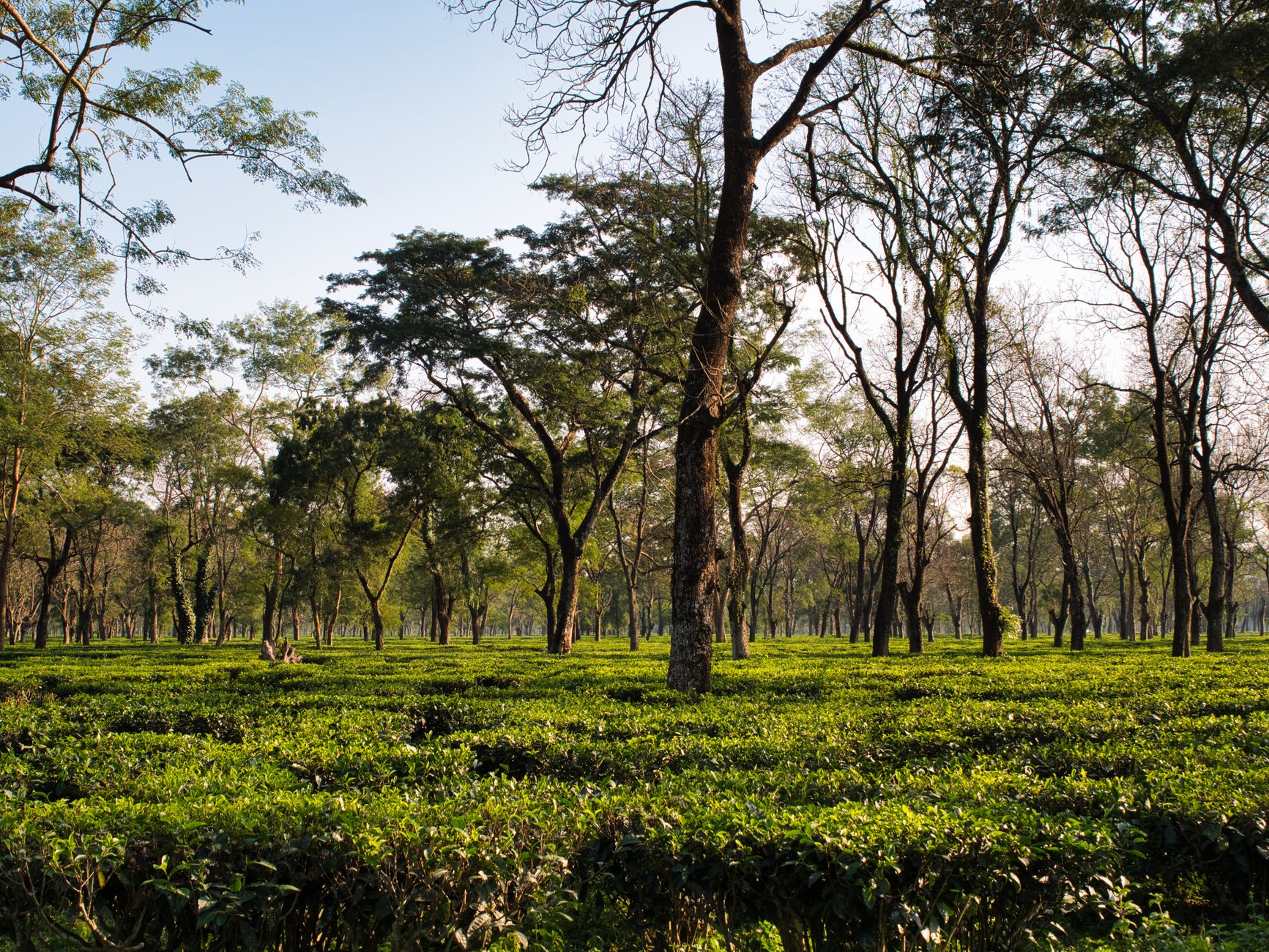
This is where Assam's tea gardens did something remarkable: they opted out. Across the estates of the Brahmaputra valley, workers and managers run on Bagan Time — also called Chaibagan Time or simply 'Tea Garden Time' — which sits a full hour ahead of IST.
The practice traces back to British planters in the colonial era, who pushed garden timings forward to squeeze more usable daylight out of the labour day and lift productivity in the plucking season. The habit outlived the Empire. On many estates today, the working day begins by Bagan Time, so a 9 a.m. start on the garden clock is 8 a.m. by IST. It is one of the few examples anywhere of a working community informally maintaining its own time zone inside a country that officially refuses to have a second one.
A few things make Bagan Time genuinely mind-blowing:
- It is unofficial — no law recognises it, yet it governs real schedules for shifts, factories and transport links around the gardens.
- It survives mainly because it makes practical sense: it aligns the workday with the Northeast's very early sunrise.
- It is a living relic of how daylight, not the clock, used to rule rural life — and still does where the clock is too far off to be useful.
The energy and productivity case for IST-II
The Bagan workaround hints at a bigger, serious argument: should India formally adopt two time zones? Scientists at CSIR-NPL have made exactly that case. In a detailed study, they proposed splitting the country into two reference zones rather than one.
The blueprint is precise. IST-I would cover the country between longitudes 68°7′E and 89°52′E — most of India, staying at UTC+5:30. IST-II, set one hour ahead at UTC+6:30, would cover everything between 89°52′E and 97°25′E: the northeastern states plus the Andaman and Nicobar Islands.
The argument rests on a simple insight. When clocks better match the sun, people wake, work and switch on lights closer to natural daylight, so evenings draw less power for lighting. The NPL researchers argued a dedicated eastern zone would meaningfully cut electricity demand each year, while also reducing the chronic early-morning daylight waste in the Northeast. Better daylight alignment is also linked to mood, alertness and productivity — the same instinct that drove tea planters to invent Bagan Time in the first place.
Why India keeps saying no
If the science is reasonable and a working precedent already exists in Assam, why hasn't India done it? The answer is risk, not physics. The government has repeatedly declined dual time zones, leaning on strategic and operational concerns.
The worry most often cited is the boundary problem. A dividing line near 89°52′E would slice through busy, sensitive territory close to West Bengal, Bandel, the Siliguri corridor — the narrow 'Chicken's Neck' that connects the Northeast to the rest of India. Wherever two zones meet, you get human error. The classic fear is railway safety: trains running on a dense, shared network could face confusion at the changeover, and a single mistimed signal can be catastrophic. Aviation, banking and defence logistics raise similar coordination headaches.
There is also the intangible cost. A second official clock can feel like drawing a line between 'mainland' India and the Northeast — politically uncomfortable for a country that prizes unity. So the status quo holds, and the Northeast continues to bend privately, through habits like Bagan Time, rather than through law.
What this means for you
The single-clock system isn't going away soon, but understanding it pays off practically:
- If you travel or work in the Northeast, plan around the sun, not the clock. Daylight starts brutally early and ends early, especially outside summer — schedule outdoor work, treks and travel for the genuine morning.
- If you deal with Assam's tea trade or estates, confirm whether a quoted timing is IST or Bagan Time before fixing a meeting, dispatch or shift — an hour's misunderstanding is easy.
- If you simply find this fascinating, remember the bigger principle: a clock is a political and economic choice, not just a measurement. India picked unity over daylight, and the gap shows up as wasted mornings in the east and an extra hour quietly kept alive in a tea garden.
For now, India remains a giant running on one heartbeat of time — with one stubborn, sensible exception ticking an hour ahead among the tea bushes of Assam.