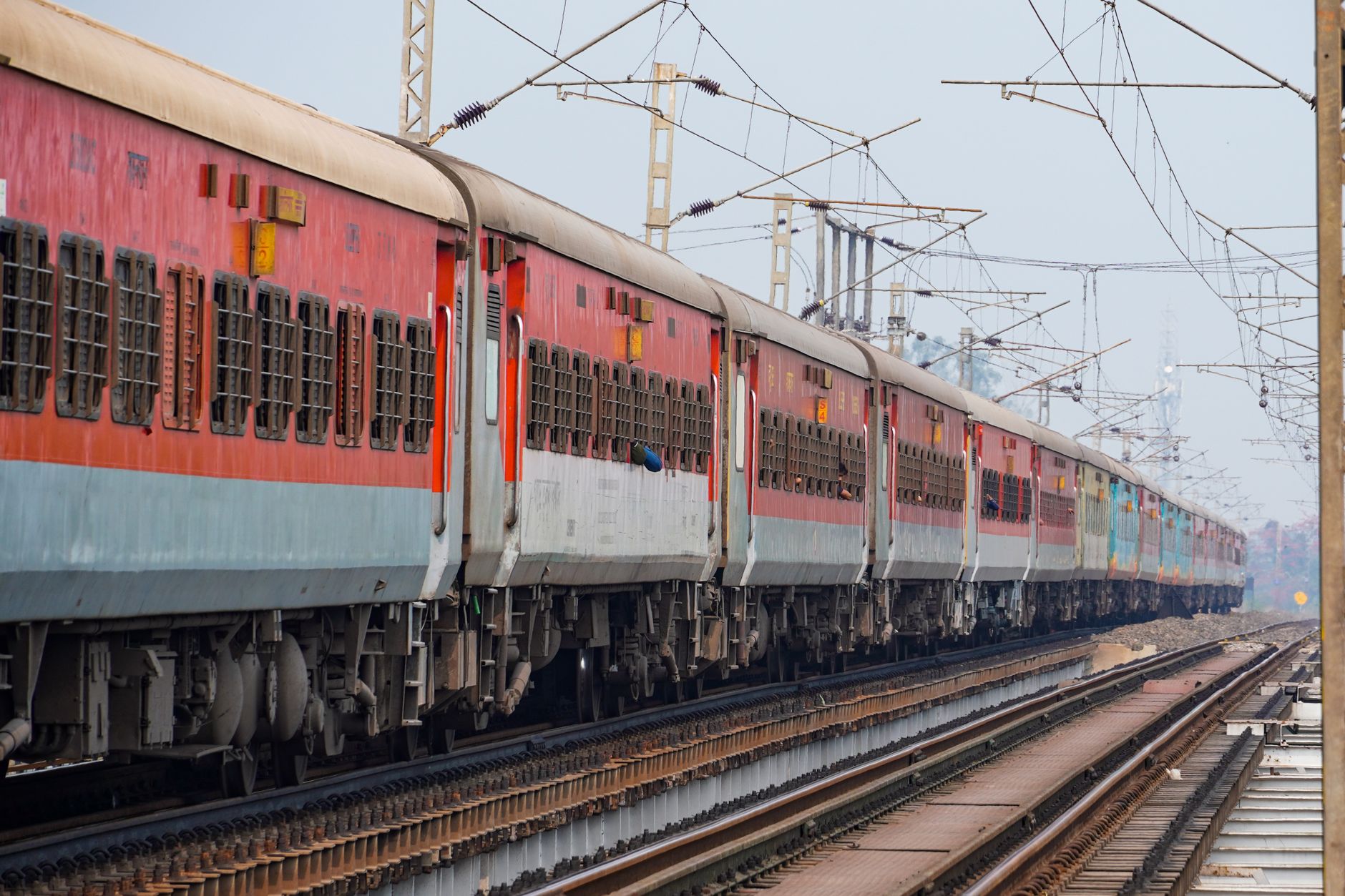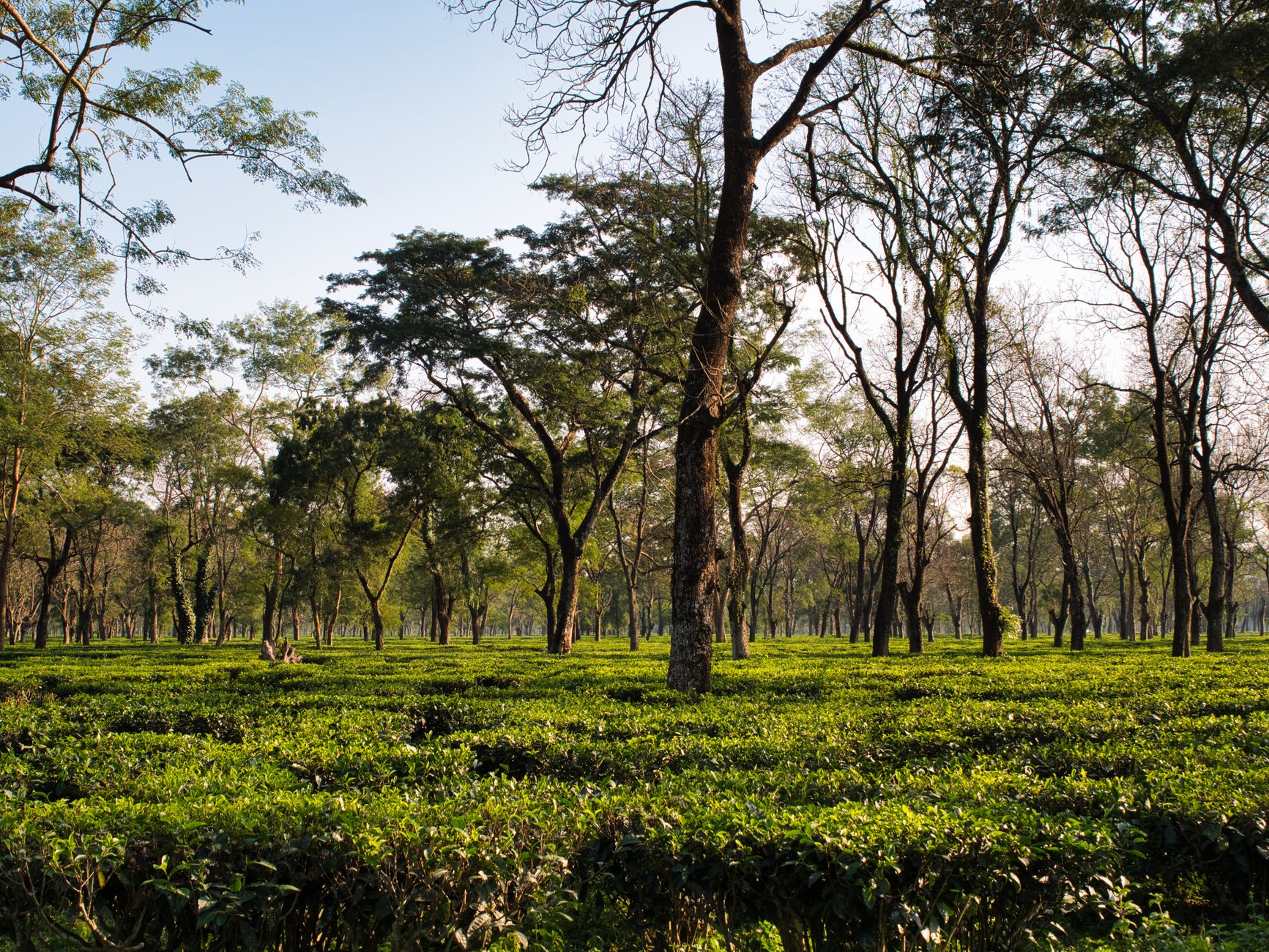
Photo: Tarak Nath Das / Pexels
Tea Garden Time: India's Secret Second Clock, Explained
Set your watch by it: somewhere in an Assam tea estate right now, the clock on the manager's office wall reads a full hour later than the clock in the nearest town. Both are in the same district, the same state, the same country — yet they disagree. Welcome to Tea Garden Time, India's secret second clock, and the strangest open secret about how this country keeps time.
Most of us assume Indian Standard Time is one neat, unbroken truth from Kutch to Kibithu. It mostly is. But tucked inside the tea belt of the Northeast is a parallel timekeeping tradition that has quietly survived more than a century, and it points to a much bigger oddity: India is wide enough for two time zones but insists on living with one.

Tea Garden Time: the clock that runs an hour fast
Tea Garden Time — known locally as Bagan Time or Chaibagan time — is an informal convention in which the clocks of Assam's tea estates are set one hour ahead of IST, effectively UTC+6:30. It is not legal, not gazetted, and not recognised by the railways or the post office. It is simply how the gardens have run for generations.
The practice is a leftover from the British planters of the 19th century. Out in the far east of India the sun comes up startlingly early, and daylight is a resource you cannot bank. By pushing the working clock forward an hour, planters got labourers into the rows of tea bushes at first light and squeezed more plucking out of every day. A worker reporting at '9 o'clock' Bagan Time is really starting at 8 am IST — and finishing before the early dusk.
It sounds quaint, but the logic is hard to argue with. When your sunrise and your official clock are nearly two hours out of sync, you either invent your own time or you waste your mornings.

Why one country, one clock made sense in 1947
India's single time zone is anchored to a meridian of 82.5°E, which runs near Mirzapur in Uttar Pradesh. Every clock from Gujarat to Mizoram is set to the sun's position over that one line, giving the famous half-hour offset of UTC+5:30 that puzzles foreigners to this day.
The half hour itself is a story. India is one of only a small club of places — alongside Sri Lanka, Myanmar and others — that runs on a 30-minute offset rather than a clean hour. Nepal goes further with a quirky 45-minute offset.
The decision to use a single national time was as much political as practical. A unified clock was a statement: one young nation, ticking together, refusing to be divided even by the sun. For trains, telegraphs and a fragile new administration, having every station agree on the hour was genuinely useful.
The catch: India is too wide for one clock
Here is the fact that genuinely stops people: India stretches roughly 29 degrees of longitude from its western edge to its eastern tip — close to two hours of real, solar daylight difference. Yet everyone reads the same number off the same clock.
The consequence is brutal in the east. In Arunachal Pradesh, around villages like Dong that claim India's first sunrise, the sun can clear the horizon by 4 am IST in summer and set by around 4 pm. By the time offices open at 10 am, several hours of prime daylight are already gone. In winter the eastern Northeast is plunged into darkness while clocks still say it is early evening.
The effects ripple outward:
- Wasted daylight: schools, offices and shops open hours after sunrise, burning electric light in the morning instead of using free sun.
- Higher energy bills: evenings start 'late' on the clock, so lights and appliances run longer into the actual night.
- Social jetlag: body clocks in the east are permanently shoved out of step with the official day.
- The Bagan workaround: the tea industry simply opted out and built its own hour, proving the mismatch is real and not theoretical.
The plan to split India's clock in two
This is where the story turns from curiosity to live policy. India's official timekeeper, the CSIR-National Physical Laboratory (CSIR-NPL), studied the problem and in 2018 proposed something radical for a country wedded to one clock: two time zones.
Under the proposal, the country would split into:
- IST-I (UTC+5:30) — the existing time for most of India, covering everything west of roughly 89.9°E.
- IST-II (UTC+6:30) — a new zone one hour ahead, covering the northeastern states east of that line.
The dividing line would fall near the narrow 'chicken's neck' corridor that joins the Northeast to the rest of the country, neatly separating the eight northeastern states. Crucially, IST-II is exactly the UTC+6:30 that tea gardens have informally used all along — the formal proposal would simply legalise what the estates already practise.
The payoff is not trivial. CSIR-NPL scientists estimated that aligning the clock with daylight in the east could save on the order of 20 million units of electricity a year, by cutting the morning and evening lighting load. For a power-hungry, climate-conscious country, free savings from a clock change are nothing to sniff at.
Why India still refuses to do it
If the science is so clean, why are we still on one clock? Resistance comes from a mix of the practical and the emotional.
The loudest worry is safety and confusion at the boundary. Critics raise the spectre of railway accidents and signalling errors where trains cross from one zone to another and clocks suddenly jump an hour. Banks, flights, exams and broadcast schedules would all need a second column. For a system built around the comforting simplicity of one national hour, that is a lot of friction.
Then there is the symbolism. The single clock has long been treated as a thread of unity, and some fear that giving the Northeast its own time would feel like setting it apart from the mainland — a sensitive idea in a region that already battles a sense of distance from Delhi.
So for now the proposal sits on the shelf, and the gardens keep their quiet hour.
India once had several clocks — and survived
The final twist undercuts every fear about chaos: India has done multi-zone timekeeping before, and the trains still ran. Before independence the country juggled Bombay Time and Calcutta Time, each set to its own local sun. Calcutta Time sat roughly 24 minutes ahead of what became IST, and Bombay's clock lagged behind it.
These local times did not vanish overnight in 1947. Calcutta clung to its own clock into 1948, and pockets of Mumbai reportedly kept 'Bombay Time' alive informally for years afterwards as a small act of civic pride.
That history matters, because it means two Indian time zones is not some untested experiment — it is a return to something the country managed for decades. The next time you sip a cup of Assam tea, remember it was likely plucked by a worker living an hour in India's future, on a secret clock the rest of us forgot we ever had.