Photo: Jakub Zerdzicki / Pexels
Home Buying in India in 2026: The Premium Squeeze and 8 Checks
If you have been house-hunting in any big Indian city this year, you have probably noticed two things at once: there are more new projects than ever to choose from, and the ones you actually like keep slipping out of budget. That tension sits at the heart of home buying in India in 2026. The market is busy, optimistic and quietly tilting toward the rich end of the spectrum, which makes this a great year to buy well and a risky year to buy carelessly.
The numbers tell the story. Housing prices across the major metros climbed roughly 8% to 20% year-on-year in early 2026, with Bengaluru, Chennai, Delhi NCR and Kolkata each posting double-digit gains. Demand is real, money is cheaper than it has been in years, and yet the kind of home most middle-class families want is getting harder to find at a sensible price.
The premium squeeze nobody warned you about
The single biggest shift this year is that builders have gone upmarket. New launches in 2026 are expected to cross 300,000 units in the top cities, but a growing share of them sit in the ₹1 crore-plus bracket. Bengaluru, Hyderabad, NCR, Mumbai and Thane are all seeing the premium segment expand while genuinely affordable homes lose ground.
Part of this is demand-led. Household incomes are projected to grow 8% to 10% in 2026, and well-off buyers are trading up for bigger, better-finished flats. A big push also comes from abroad: NRI participation in premium home purchases has risen from around 7-10% a decade ago to a projected 18-20% this year. When the buyer at the top of the market has more money, developers build for that buyer first.
The catch is that if your budget is ₹40-70 lakh, your choices in the prime parts of large cities are thinning out. You are increasingly being nudged toward the city's edge, toward smaller carpet areas, or toward a longer wait for a project to be built.

Why builders are launching faster than they're selling
Here is a detail worth sitting with. In the second quarter of 2026, industry reports pegged housing sales across the top nine cities up about 19% year-on-year, while new supply jumped a much steeper 43%. Sales are healthy, but launches are outpacing them.
A gap like that, if it persists, slowly rebuilds unsold inventory — the stock of finished or near-finished flats that haven't found a buyer. For you, that cuts two ways. More choice and more negotiating room are good. But a developer carrying a lot of unsold units, or one that has over-launched relative to its cash flow, is exactly the kind of builder whose project can stall. This is the year to be picky about who you buy from, not just what you buy.
Money is cheaper, which changes the math
The affordability backdrop is genuinely better than it was. The RBI repo rate stands at 5.25% after a string of cuts totalling about 125 basis points since early 2025. Home loan rates have followed, with the most competitive public-sector offers starting near 7.10% and most borrowers landing somewhere between roughly 7.65% and 8.5%, depending on credit profile.
Lower EMIs plus rising incomes mean the EMI-to-income ratio is easing for the first time since the rate-hike cycle of 2022. A strong CIBIL score of 750 or above is what unlocks the best of those rates, so it pays to clean up your credit before you apply rather than after. Cheaper money is also part of why developers feel confident launching so aggressively — and why prices keep firming up.
Plots and branded homes are having a moment
Two formats are quietly reshaping what "buying a home" means in 2026.
The first is the return of plotted developments. Across Tier 2 and Tier 3 cities especially, buyers are choosing gated plots and low-density villa layouts over standard high-rises. What began as an affordability workaround has hardened into a preference for land ownership, space and the freedom to build to your own taste. Major developers are now earmarking a meaningful slice of fresh land for plotted and villa formats rather than vertical towers.
The second is the rise of branded residences — homes tied to a hospitality or luxury name, with hotel-style services. India had roughly 27 such projects in 2026, led by Delhi NCR and Mumbai, and the country now ranks among the top markets worldwide for this segment. It is a small, ultra-premium niche, but it signals where the top of the market is heading.
Alongside both, government programmes like the Smart Cities Mission and AMRUT have made several smaller cities credible places to live and invest, pulling some demand away from the saturated metros.
The carpet-area trap that still catches buyers
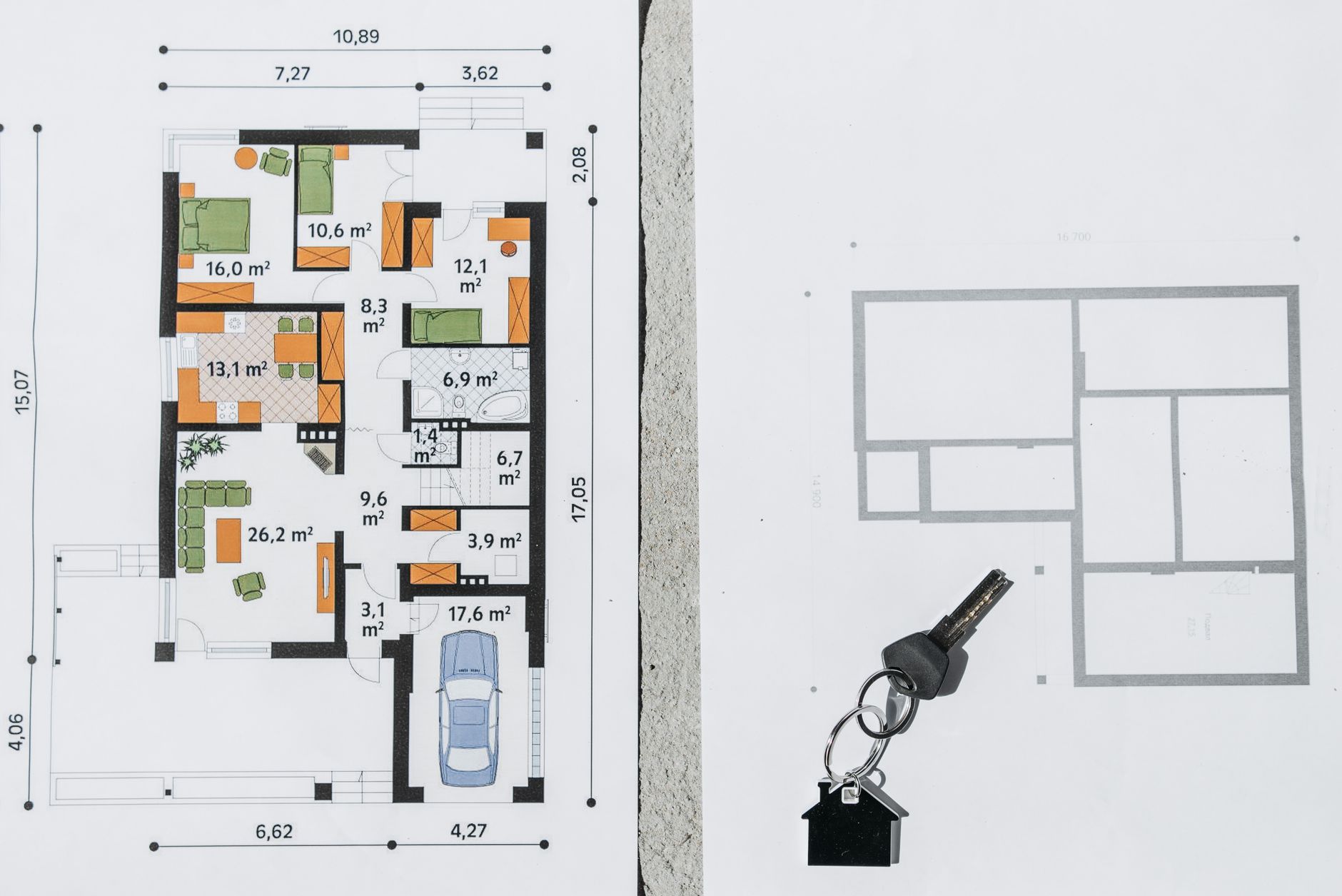
For all the new formats, the oldest mistake is still the most common: not knowing exactly how much home you are paying for. RERA requires every sale to be quoted on carpet area — the net usable space inside your walls, excluding shafts and common areas — not the old, inflated "super built-up" figure that made you pay for the lobby and the lift.
A few rules of thumb that protect you here:
- Insist that the carpet area is written clearly into the sale agreement. Walk away from anyone quoting only super built-up area.
- A carpet-to-super-built-up ratio of around 70% or higher is generally considered fair.
- Remember that lenders often assess your loan against carpet area, so the real figure also shapes how much you can borrow.
Eight things to verify before you sign
Whatever format you choose, the due-diligence list barely changes. Treat these as non-negotiable:
- RERA registration. Look up the project's registration number on your state RERA website and confirm the committed completion date. If a developer misses it, you are typically owed interest compensation at SBI MCLR plus 2% for the delay.
- Carpet area in writing. Confirm the exact number in the agreement, not a brochure.
- Occupancy Certificate (OC). For ready homes, no OC means it is technically illegal to move in. Don't take possession without it.
- Clean title. The title deed should clearly establish ownership and the builder's right to develop the land.
- Encumbrance Certificate. It should be free of unpaid loans, liens or disputes.
- Mother deed. Trace ownership back roughly 30 years to confirm an unbroken chain.
- Builder track record. Check past delivery, construction quality, complaints and financial health — especially important in a year of heavy launches.
- Approved plan and loan tie-up. Make sure the sanctioned building plan matches what is being built, and that a reputed bank is already lending on the project.
What this means for you
The 2026 market rewards buyers who move with clear eyes. Cheaper loans and rising incomes have genuinely improved the math, and the explosion of choice — plots, villas, branded homes, Tier 2 cities — means there is probably something that fits your life better than a generic tower flat.
But the same forces pushing the market up are squeezing the affordable middle and tempting some developers to over-launch. The way to win is unglamorous: buy from a builder who delivers, pay for carpet area you can measure, and never let the excitement of a glossy launch outrun a boring document check. Get those right, and a busy market works for you instead of against you.